
Florida Bay: shallow lagoon between the Everglades and the Florida Keys
Florida Bay is a broad, shallow coastal lagoon between southern Florida and the Florida Keys, noted for its extensive seagrass beds, marine nurseries, and conservation challenges tied to water flow and climate.
Overview
Florida Bay lies between the southern tip of the Florida mainland and the arc of islands known as the Florida Keys. The bay is a large, shallow lagoon that forms the transition zone where freshwater from the Everglades mixes with the ocean. Nearly all of the bay falls within Everglades National Park, while the southern rim along the island chain lies adjacent to the Florida Keys National Marine Sanctuary.
Image gallery
8 Images


Ecology and habitat
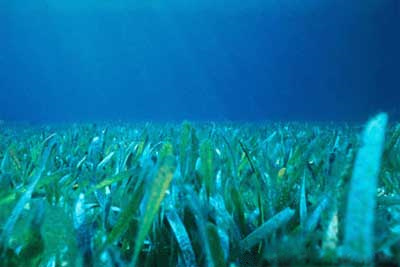
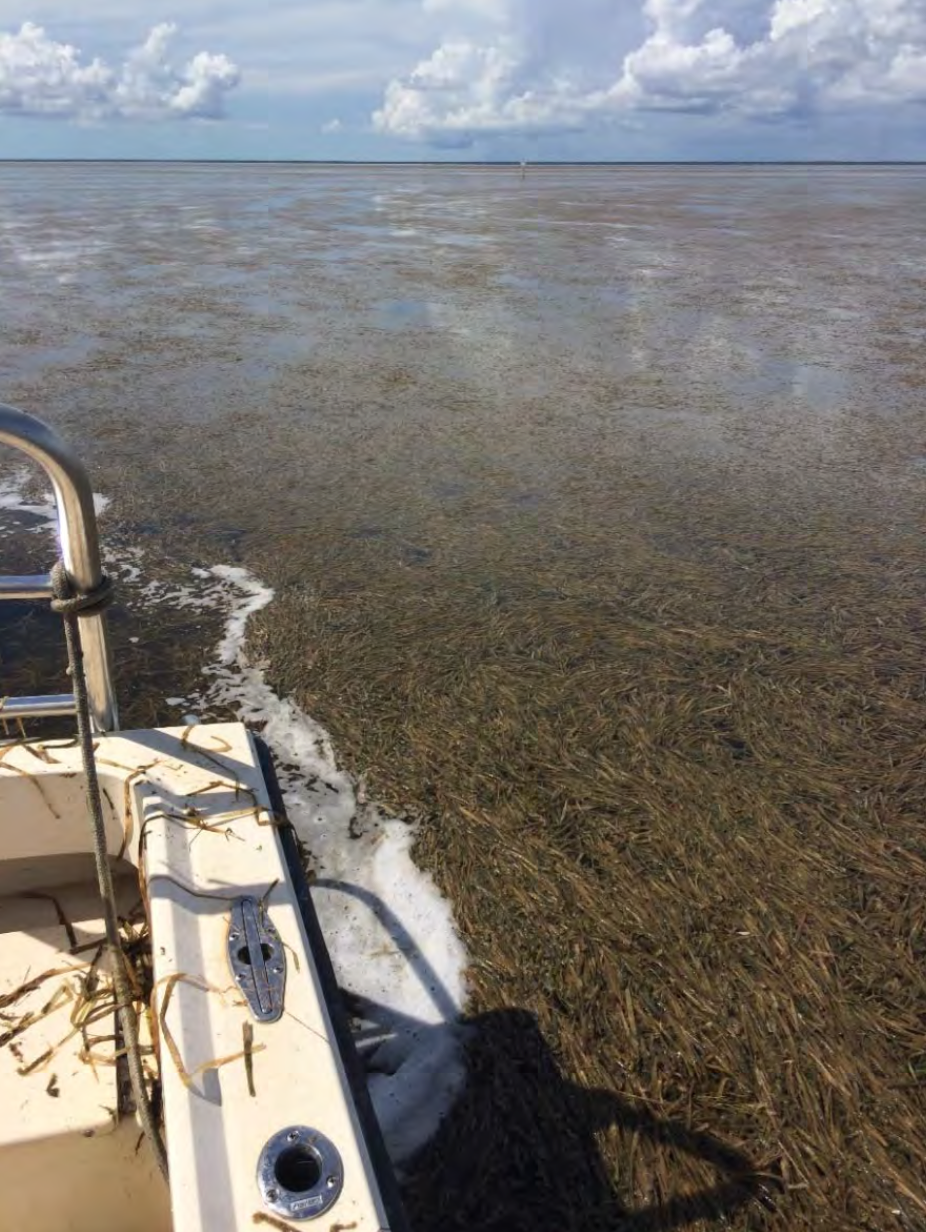
The bay is dominated by broad beds of seagrass, interspersed with mudflats, mangrove fringes and scattered carbonate shoals. These habitats support diverse marine life including juvenile fish, crustaceans, wading birds and benthic invertebrates. Scientists often describe the area in terms of its complex salinity gradients and shallow depth, which make it especially productive but also sensitive to changes in freshwater flow and nutrient inputs. The bay’s biological importance is part of a larger coastal system connected to the Florida Reef, a nearshore reef tract that is the only barrier coral reef in the continental United States (North America context).
History and environmental change
Historically the Everglades delivered seasonal freshwater and sediments to the bay, shaping its salinity and supporting seagrass growth. During the 20th century water-management projects altered those flows and led to periods of hypersalinity, seagrass die-offs and algal blooms. These events highlighted how tightly coupled the bay’s health is to upstream freshwater timing and quantity. Research and monitoring have documented recurring cycles of decline and recovery tied to rainfall, temperature and human impacts.
Uses, value, and threats
Florida Bay provides nursery habitat for commercially and recreationally important fish and shellfish, supports migratory and resident bird populations, and underpins local tourism and fisheries. Major threats include altered freshwater delivery from the Florida mainland, nutrient enrichment, coastal development pressures, disease in seagrass communities and the broader effects of warming and sea-level rise. The bay’s shallow nature makes it particularly vulnerable to extreme weather and rapid environmental shifts.
Conservation and management
Conservation efforts combine national park protection, marine sanctuary oversight and regional water-restoration programs. Management goals focus on restoring more natural freshwater flows, reducing nutrient runoff, re-establishing healthy seagrass coverage and sustained monitoring of ecological indicators. Collaborative research and restoration projects aim to reconcile human water needs with the ecological requirements of the bay and the adjacent Everglades ecosystem.
Notable facts
- Florida Bay’s extensive seagrass meadows rank among the most productive coastal habitats in the region and function as crucial nurseries.
- The bay is almost entirely inside Everglades National Park, while its southern margin interfaces with the marine sanctuary around the Florida Keys.
- Environmental recovery is possible but depends on long-term changes in regional water management and protections for surrounding watersheds (ecology studies and restoration plans continue to guide action).
For introductions and maps, see general resources on the bay and its place in the Florida coastal system: Florida Bay overview, mainland hydrology, seagrass ecosystems, and regional conservation portals (Florida Reef, continental context).
Questions and answers
Q: What is Florida Bay?
A: Florida Bay is a large, shallow lagoon located between the southern end of the Florida mainland (the Florida Everglades) and the Florida Keys.
Q: Why is Florida Bay significant?
A: The Bay is significant for its ecology of sea grass and the organisms that live there.
Q: What is included in Everglades National Park?
A: Nearly all of Florida Bay is included in Everglades National Park.
Q: What is located along the southern edge of Florida Bay?
A: Along the southern edge of Florida Bay is the Florida Keys National Marine Sanctuary.
Q: What is located outside of Florida Bay?
A: Outside of Florida Bay is the northern part of the Keys, and outside of them is the Florida Reef, the only barrier coral reef in North America.
Q: What type of ecosystem can be found in Florida Bay?
A: Florida Bay is known for its ecology of sea grass and the organisms that live there.
Q: Where is the only barrier coral reef in North America located?
A: The only barrier coral reef in North America is located outside of the Florida Keys, which are outside of Florida Bay.
Related articles
Author
AlegsaOnline.com Florida Bay: shallow lagoon between the Everglades and the Florida Keys Leandro Alegsa
URL: https://en.alegsaonline.com/art/35205
Sources
- britannica.com : Florida Bay
- jrscience.wcp.muohio.edu : The ecology of Florida Bay
- floridakeys.noaa.gov : "Coral reef evaluation & monitoring"
- floridakeys.noaa.gov : "Seagrass meadows and nutrients"
- globalsecurity.org : Global security.org – Naval Air Station, Key West