
Flores Sea
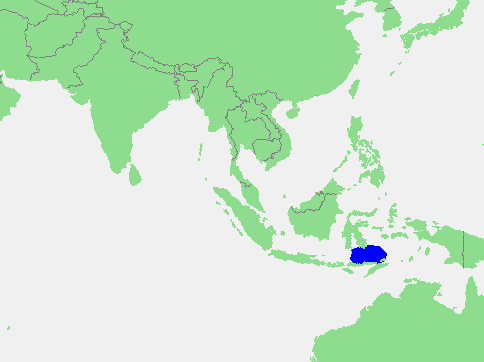
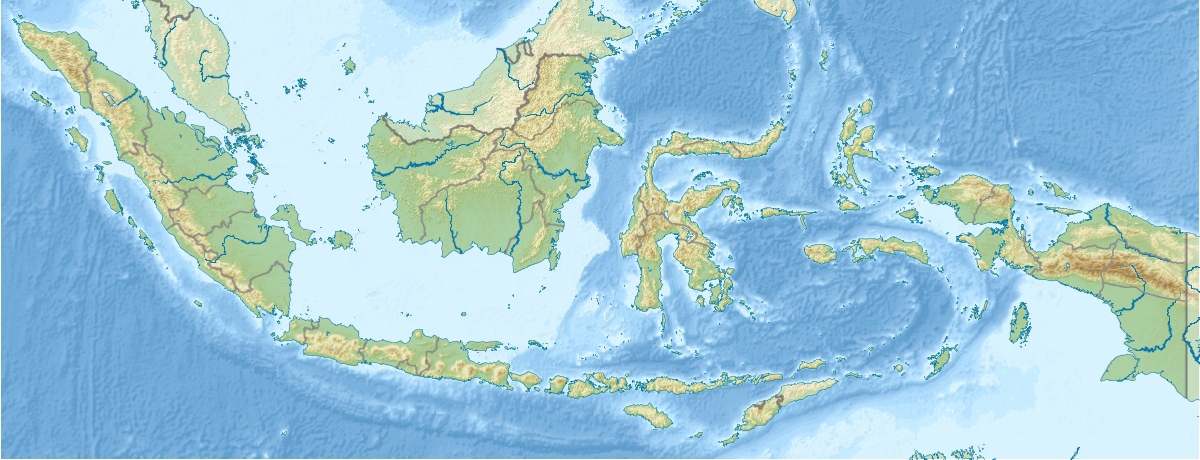
The Flores Sea is a shallow tropical sea in eastern Indonesia, covering about 240,000 km². It lies between the Lesser Sunda Islands and Sulawesi and connects with the Java, Bali, Banda and Savu seas and the Indian Ocean.
The Flores Sea is a tropical body of water in eastern Indonesia that spans roughly 240,000 square kilometres (about 93,000 square miles). It occupies a broad basin north of the Lesser Sunda Islands and south of the island of Sulawesi (also called Celebes). The sea is an important regional feature for marine life, coastal communities and navigation within the Indonesian archipelago.
Image gallery
4 Images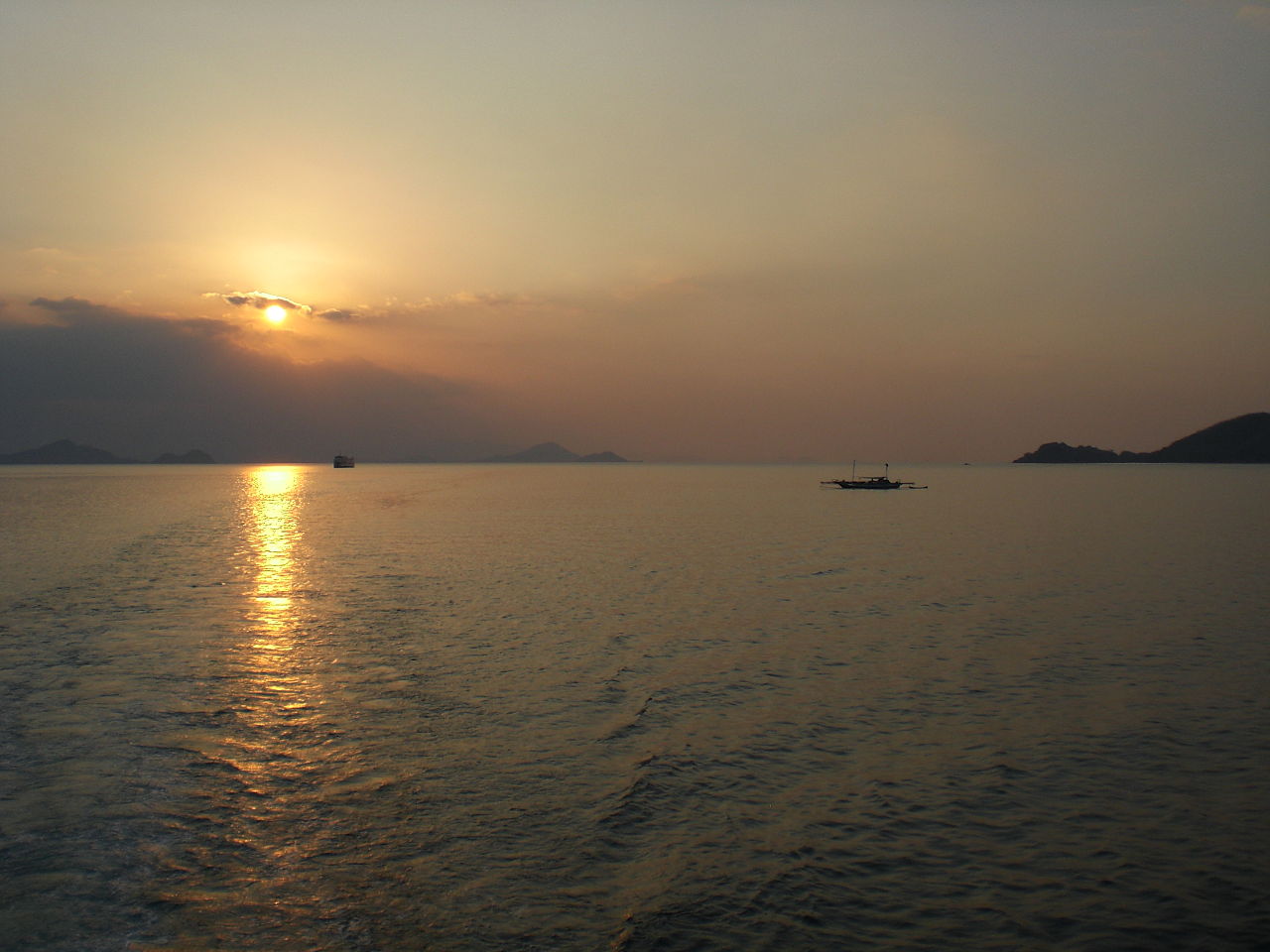
Location and boundaries
The Flores Sea is commonly described by the islands and seas that surround it. To the west it approaches the Bali Sea and to the northwest the Java Sea. The eastern and northeastern limits meet the Banda Sea, while islands to the south separate it from the Indian Ocean and the Savu Sea. These neighboring waters and chains of islands create a complex set of channels, shelves and coral-fringed coasts.
Physical and ecological characteristics
Although depth and seabed composition vary across the basin, the Flores Sea includes extensive continental shelves around many islands and steeper slopes toward deeper basins. Warm tropical currents, seasonal monsoons and the mixing of different water masses contribute to high biological productivity in parts of the sea. Coral reefs, seagrass beds and mangrove-lined shores support fisheries and abundant marine life; the region also lies within the biogeographic transition zone known as Wallacea, where Asian and Australasian flora and fauna intermingle.
Human use and importance
Coastal communities along the Flores Sea rely on fishing, small-scale aquaculture and maritime trade. The sea’s routes are used by inter-island shipping and local transport, while scenic islands and reefs attract tourism for diving and wildlife viewing. Conservation and sustainable-use challenges include overfishing, habitat damage from destructive fishing methods, and pressures related to coastal development and tourism.
Islands and neighbouring features
- Major island groups bordering the Flores Sea: the Lesser Sunda Islands (including Flores) and Sulawesi (Celebes).
- Adjacent seas: Bali Sea, Java Sea, Banda Sea, and the Indian Ocean to the south through channels and passages; the Savu Sea also lies nearby.
Because of its position in a densely islanded archipelago, the Flores Sea plays a role in regional oceanography, biodiversity and local economies. Scientific surveys and conservation programs continue to refine understanding of its habitats and resources, with attention to balancing economic use and protection of marine ecosystems.
Related articles
Author
AlegsaOnline.com Flores Sea Leandro Alegsa
URL: https://en.alegsaonline.com/art/35197