
Florida Panhandle: geography, history, culture, and economy
The Florida Panhandle is the long northwestern strip of Florida along the Gulf of Mexico, distinct in geography, climate, history and culture from peninsular Florida, with coastal cities, military bases and unique ecosystems.
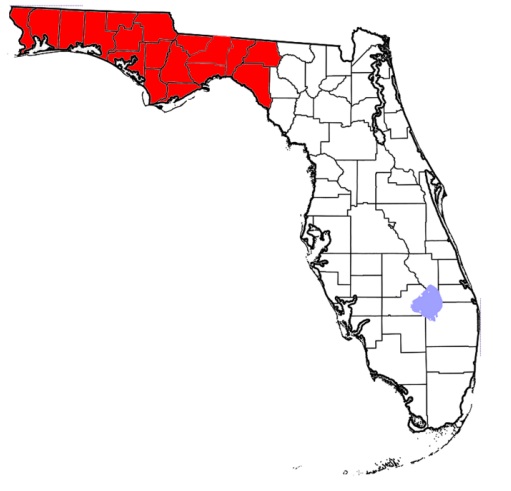
Overview
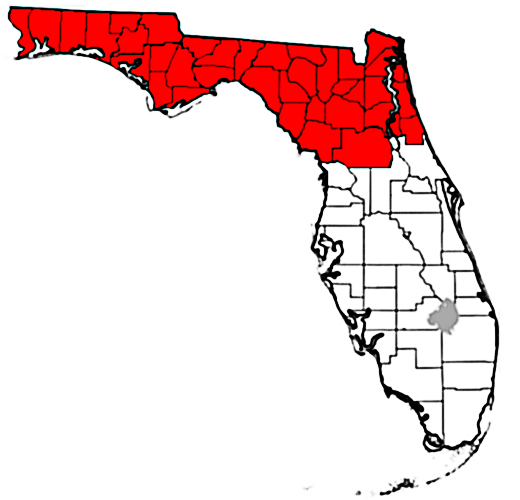
The Florida Panhandle is the northwestern portion of the U.S. state of Florida. The term generally refers to the westernmost ten to eighteen counties forming a narrow corridor between Alabama and Georgia to the north and the Gulf of Mexico to the south. Different definitions of the Panhandle exist: some maps limit it to the area west of the Apalachicola River while others extend eastward to include parts of the Big Bend region. In physical form and cultural orientation the Panhandle is often contrasted with peninsular Florida.
Image gallery
6 Images


Geography and environment
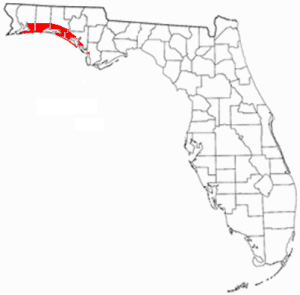
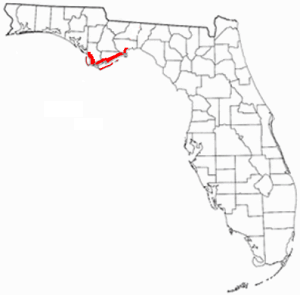
The region features a mix of barrier islands, wide sandy beaches—famously the "Emerald Coast"—estuarine bays, tidal marshes and pine-dominated uplands. Major waterways such as the Apalachicola River feed productive fisheries and unique estuarine ecosystems. Much of the coastline is vulnerable to storms and long-term challenges such as coastal erosion and sea-level rise. Inland areas include longleaf pine forests and karst springs in places where the limestone substrate yields clear freshwater springs.
History and development
European contact in the area dates to Spanish and later British activity along the Gulf. The Panhandle followed a separate colonial and territorial trajectory from peninsular Florida, becoming part of the United States in the early 19th century. Its economy historically included small farms and plantation agriculture; during the 20th century military installations and tourism reshaped local economies and settlement patterns.
Economy, culture and uses
The Panhandle's economy blends tourism (beaches and outdoor recreation), commercial and recreational fishing, agriculture, shipping and a notable military presence with several major bases. Cities such as Pensacola, Tallahassee, Panama City and Fort Walton Beach serve as regional centers for education, healthcare and commerce. Cultural ties are often described as closer to the Deep South than to southern Florida, reflected in foodways, dialect, politics and festivals.
Notable distinctions
- Distinct regional identity separated by geography and history from peninsular Florida.
- Important coastal ecosystems and fisheries with conservation concerns.
- Significant military infrastructure influencing local economies.
- Popular beach destinations known for white quartz sand along the Gulf shoreline.
For maps, county lists and more detailed environmental or historical studies consult regional resources and state publications via the links above.
Related articles
Author
AlegsaOnline.com Florida Panhandle: geography, history, culture, and economy Leandro Alegsa
URL: https://en.alegsaonline.com/art/35213