
Americium
Americium (Am, atomic number 95) is a synthetic radioactive actinide metal used in smoke detectors, neutron sources, and industrial instruments; discovered in the 1940s and named for America.
Overview
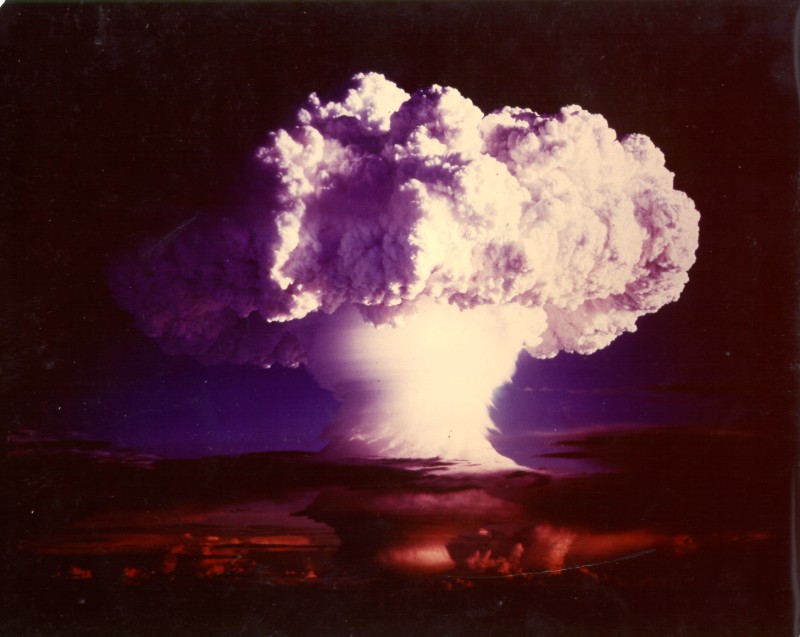
Americium is a synthetic chemical element with the symbol Am and atomic number 95. It is a member of the actinide series and is classed as a radioactive metal. As a transuranic element, americium is principally produced by human-controlled nuclear reactions rather than by ordinary geological processes, and it is found at only trace levels in nature, mostly as a result of neutron irradiation and nuclear fallout.
Image gallery
9 Images


Physical and chemical properties
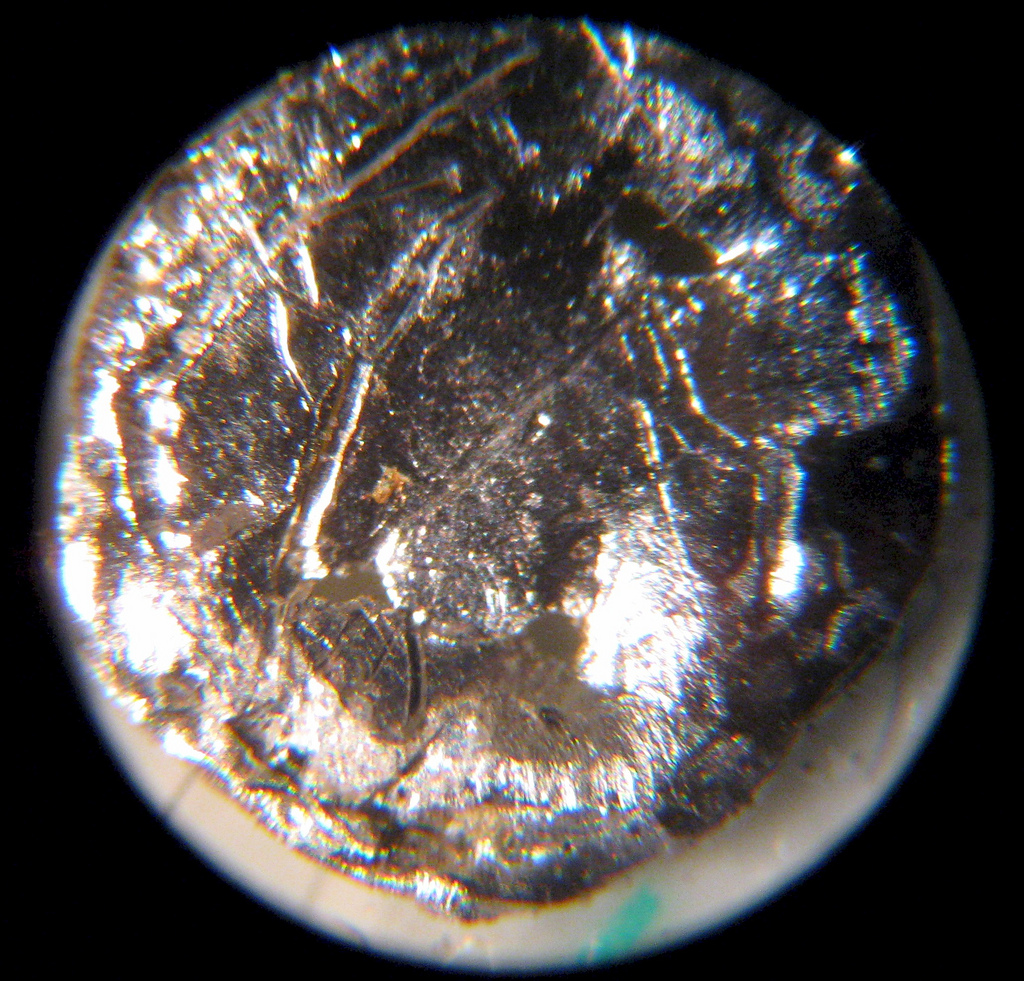
In bulk, metallic americium is silvery and tarnishes slowly in air. Chemically it resembles the lanthanides and other actinides, commonly forming trivalent compounds but also showing other oxidation states under special conditions. Americium forms oxides, halides and coordination complexes; the dioxide and oxide forms are among the more stable compounds. Its electronic structure and bonding reflect the progressive filling of 5f orbitals that characterizes the actinide series.
Isotopes and radioactivity
Several isotopes of americium are known. Americium-241 is the most widely used isotope in commercial devices; it is an alpha-emitter and also produces low-energy gamma radiation. Its half-life is on the order of centuries, making it long-lived enough for practical use in sealed sources. The isotope americium-243 has an even longer half-life—the longest half-life of commonly discussed americium isotopes is several thousand years—so different isotopes are chosen for applications according to their decay properties and radiation emission.
Production
Americium is produced in nuclear reactors by neutron capture and subsequent beta decay sequences. Production typically involves bombarding heavier actinide targets with neutrons; for example, irradiating plutonium with neutrons can yield nuclides that transmute to americium after a series of captures and decays. After irradiation, chemical separation techniques are used to isolate americium from other actinides and fission products. These operations require specialized facilities and radiochemical expertise.
History and naming
Americium was identified in the 1940s during intensive research into transuranic elements. It was the fourth transuranic element to be isolated and was named for the continent—America—in analogy to how francium was named for France. Early discovery and characterization work involved several laboratories and researchers who were expanding the known heavy elements after uranium.
Applications
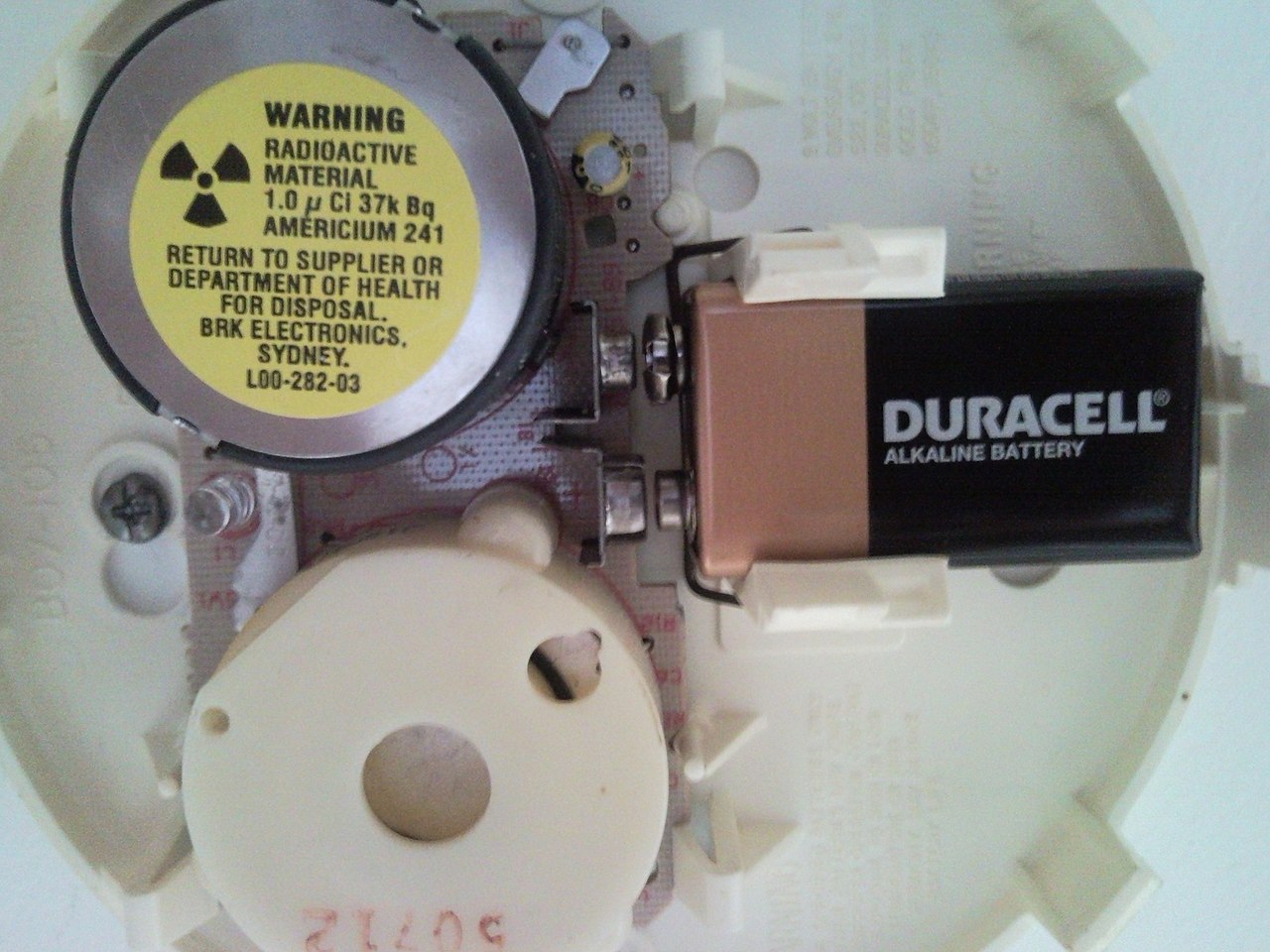
In carefully controlled small quantities, americium is a useful source of ionizing radiation. Americium-241 is commonly used in ionization smoke detectors, where its alpha emissions ionize air to help detect smoke particles. It is also used as a component of some industrial radiation gauges, in portable neutron sources for geological logging and research, and as a calibration source in scientific instruments. Sealed sources are designed to contain the material and limit exposure.
Safety, regulation and environment
Americium is radioactive and chemically toxic; handling and disposal are subject to strict regulatory controls. Protective shielding, contamination controls and specialized transport and storage rules are required for larger quantities. Consumer devices that contain americium use very small sealed sources and are generally safe when used and disposed of as directed, but recovery and recycling programs exist in some regions to reduce environmental release of radioactive materials.
Further information
- General overview of americium
- Radioactive metals and their properties
- Periodic table entry for atomic number 95
- Transuranic elements and actinide chemistry
- Neutron irradiation and production methods
- Plutonium and related actinides
- Role of neutrons in isotope production
- Order of discovery of transuranic elements
- Naming of elements after places
- Francium: a parallel geographic name
- Elements named for countries and regions
- Isotope half-lives and radiological data
Related articles
Author
AlegsaOnline.com Americium Leandro Alegsa
URL: https://en.alegsaonline.com/art/3515