
Plutonium
Plutonium is a dense, radioactive actinide metal (symbol Pu, atomic number 94) with several isotopes used in nuclear fuel, weapons, and radioisotope power sources; it is chemically reactive and radiologically hazardous.
Overview
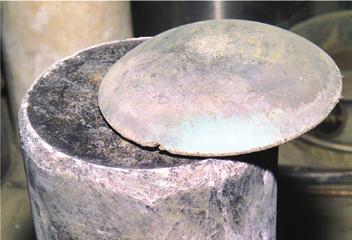
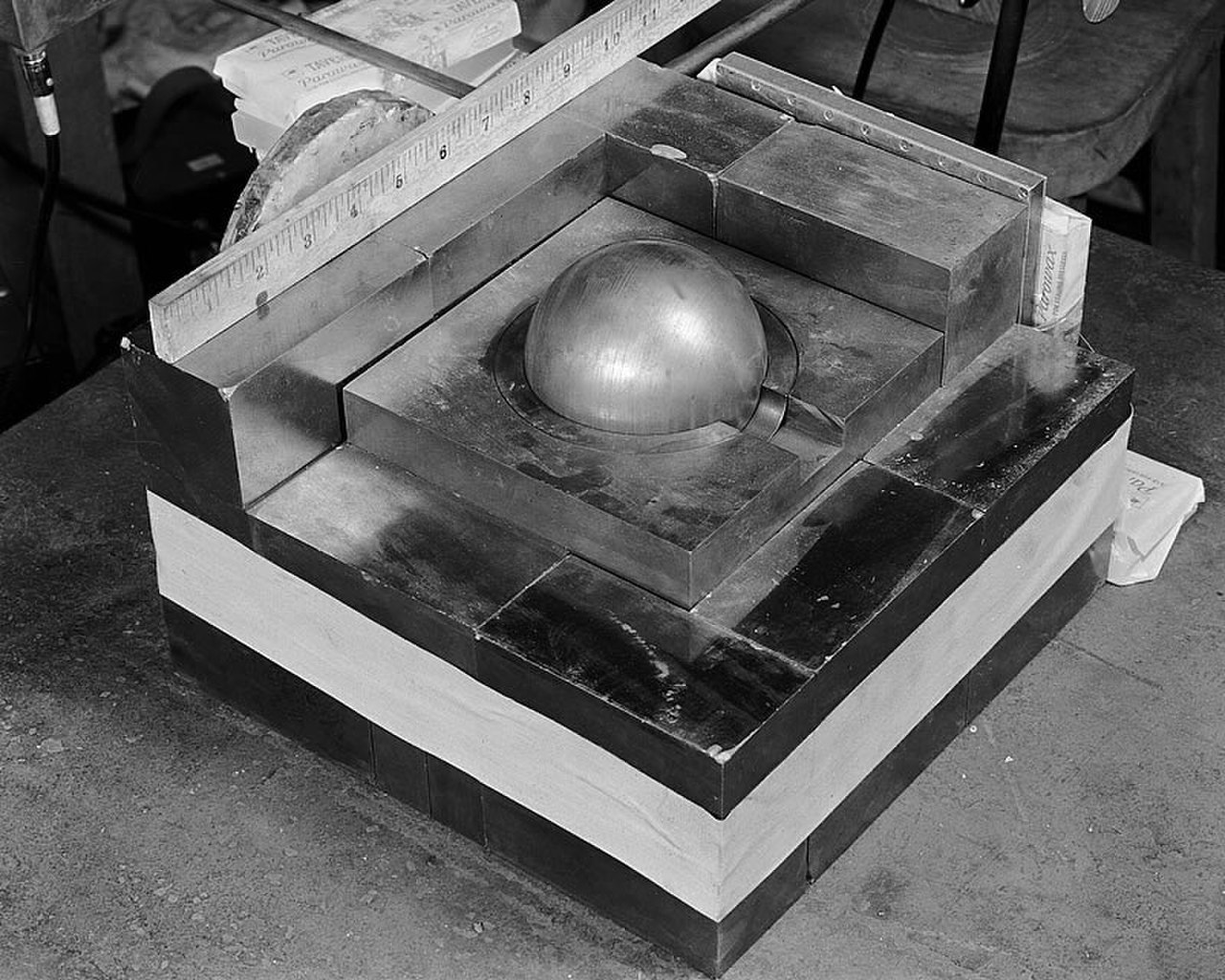
Plutonium is a silvery, heavy metallic element with the chemical symbol Pu and atomic number 94. It belongs to the actinide series and to the group of transuranium elements produced after uranium in the periodic table. Fresh metal has a bright appearance but rapidly tarnishes to dull grey, yellow or olive green when exposed to air. Plutonium is strongly radioactive and exhibits complex physical and chemical behaviour that distinguishes it from many other metals.
Image gallery
10 Images







Key physical and chemical properties
Plutonium shows multiple crystalline forms (allotropes) that change with temperature and pressure, giving the metal unusual expansion and contraction behavior. It reacts with oxygen, water vapor and a range of non‑metals to form compounds such as oxides and hydrides. When plenum surfaces oxidize or hydridize they can swell and flake; finely divided plutonium can ignite in air. The metal also forms alloys and intermetallic compounds with other elements, and it will chemically combine with halogens and elements such as carbon and silicon under appropriate conditions.
Isotopes, production, and nuclear properties
Several isotopes of plutonium occur, produced either artificially in reactors or, in trace amounts, in nature. The isotope most important for nuclear applications is plutonium-239, which is fissile—capable of sustaining a nuclear chain reaction—and has a half-life on the order of tens of thousands of years (half-life). Plutonium-238, a strong heat‑emitter with a much shorter half-life, is used in radioisotope thermal generators. Long‑lived plutonium-244 persists long enough to be found in minute natural quantities. Most plutonium is produced by neutron capture in uranium fuel in nuclear reactors and subsequent beta decays, or as a byproduct of nuclear detonations and tests.
Uses and importance
- Military: Plutonium-239 has been used as the fissile core material in many nuclear weapons; its properties influenced weapon design during the mid-20th century (weapons).
- Civilian nuclear energy: Plutonium bred from uranium can be recycled as nuclear fuel in certain reactor types or mixed-oxide (MOX) fuel to improve fuel utilization.
- Space and remote power: Isotopes such as plutonium-238 serve as long-lived heat sources for radioisotope power systems used in spacecraft and remote installations.
Safety, environmental and health considerations
Plutonium poses both radiological and chemical hazards. Its alpha radiation is harmful if particles are inhaled or ingested; external exposure is less penetrating but handling still requires strict controls. In addition to radiotoxicity, plutonium is chemically toxic to organs if internalized. Industrial and research handling uses gloveboxes, remote manipulators, contamination controls, and criticality safety measures to prevent accidental chain reactions. Environmental releases, from tests and accidents, have led to persistent but typically low-level contamination; monitoring and remediation follow strict regulatory frameworks.
History and notable facts
Plutonium was first identified and isolated during research in the early 1940s and later became central to both wartime and peaceful applications of nuclear energy. The element was named after the dwarf planet Pluto, following the tradition of naming elements after planets farther out in the solar system. Because of its multiple isotopes, long-lived radiological persistence of some species, and its dual-use character for energy and weapons, plutonium remains one of the most studied and regulated elements in modern chemistry and nuclear science.
For concise definitions and technical details see element entry, reference on atomic number 94, radiation properties radioactivity, military applications weapons, decay terms like half-life, production from uranium, its fissile behavior, use as nuclear fuel, classification among transuranium elements, reactivity with halogens, silicon interactions silicon, formation of oxides, and formation of hydrides.
Related articles
Author
AlegsaOnline.com Plutonium Leandro Alegsa
URL: https://en.alegsaonline.com/art/77522