
Bombardment: artillery attacks, aerial strikes and extended uses
Bombardment originally named medieval cannon fire against fortifications; today it denotes massed attacks by artillery, aircraft or missiles and extended uses in science and everyday language.
Bombardment commonly describes a concentrated attack delivered by guns, howitzers, rockets or missiles against military targets, fortifications, towns or other fixed positions. The term comes from the medieval weapon called the bombard, an early large-calibre cannon used to batter walls during a siege. Over time the word broadened from that narrow origin to encompass many forms of massed fire and, by analogy, non-military actions.
Image gallery
3 Images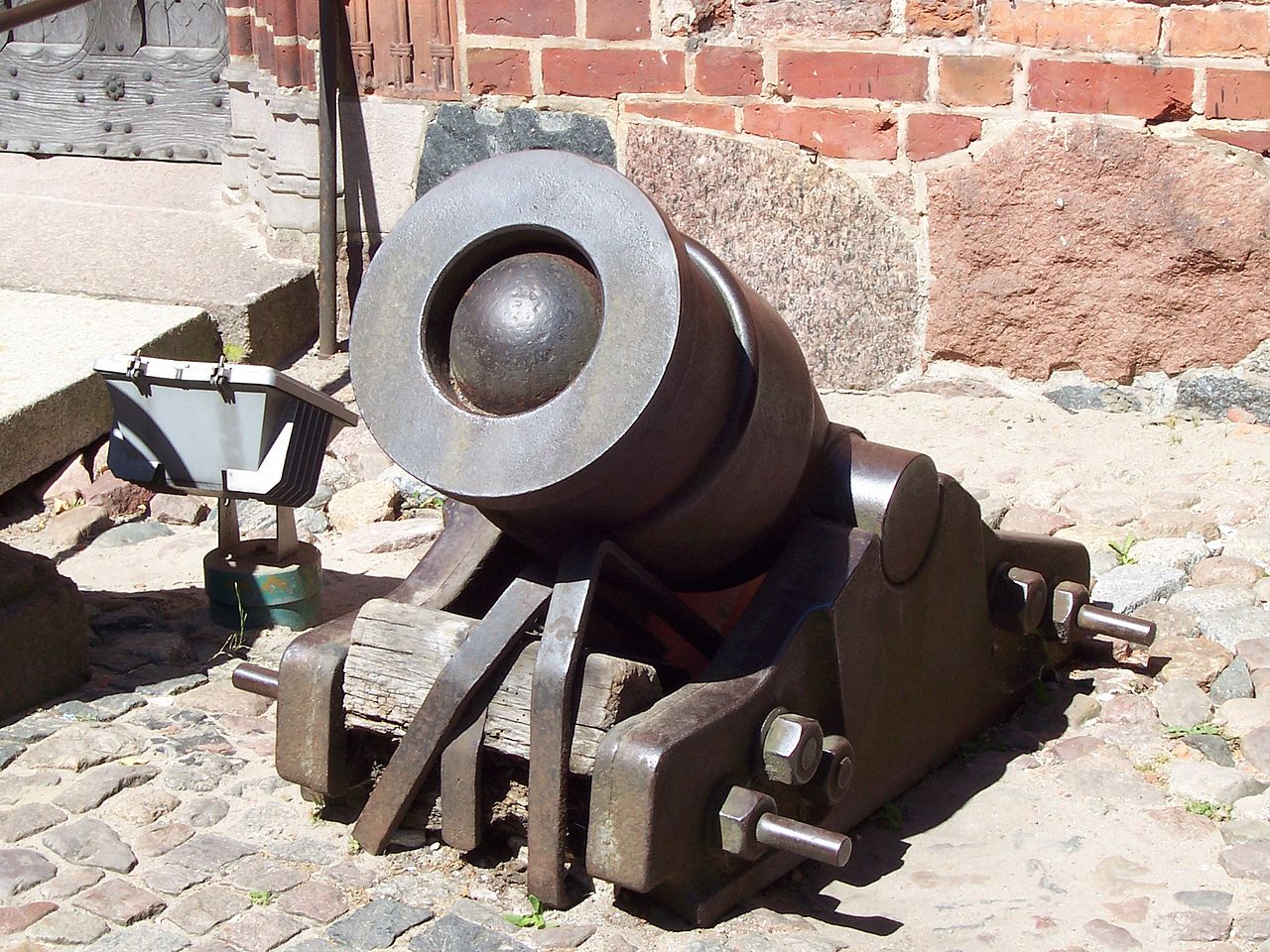

Characteristics and types
Bombardment may be classified by purpose, scale and delivery method. Tactical bombardment supports frontline operations, while strategic bombardment aims to destroy an opponent's capacity and will to fight. Delivery can be:
- Ground-based artillery and rocket fire directed by observers or fire-control systems, often called artillery bombardment;
- Aerial bombardment carried out by dedicated bomber aircraft or attack planes;
- Missile or long-range rocket strikes that can reach strategic targets at distance.
Historical development
From stone-throwing bombard cannons of the medieval period, advances in metallurgy, chemistry and ballistics steadily increased range, accuracy and destructive power. The concept and practice of bombardment changed especially with industrialized warfare: in and after World War I massed indirect artillery became central to operations, and aerial and later missile-based bombardments expanded the sphere of targets and the scale of destruction.
Effects and concerns
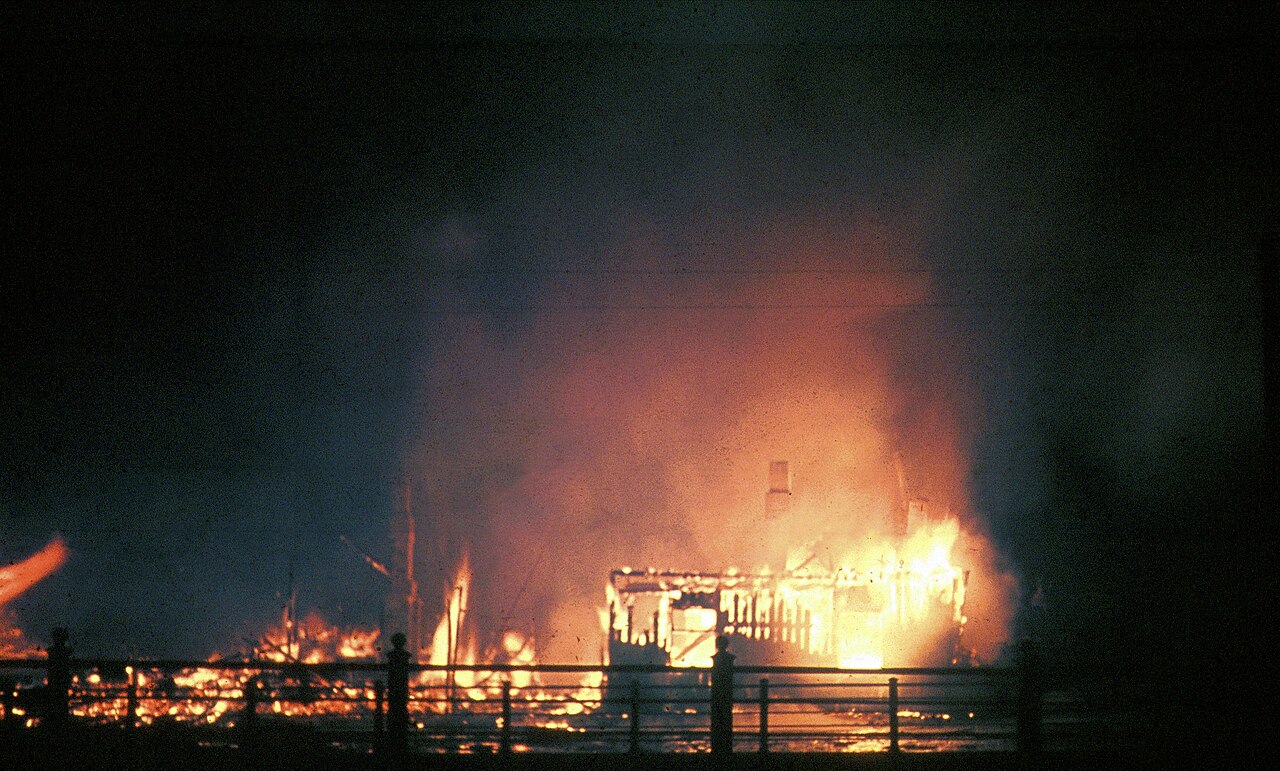
Bombardments can cause structural collapse, fires, fragmentation wounds and widespread civilian harm. Their scale makes distinguishing combatant from non-combatant targets a key legal and ethical issue. International humanitarian law emphasizes discrimination and proportionality when weapons are used against populated or dual-use areas. Beyond physical damage, bombardment often produces significant psychological and social disruption in affected communities.
Non-military and metaphorical uses
The verb "to bombard" has been adopted in scientific and everyday language. In physics laboratories, researchers "bombard" targets by directing streams of particles such as electrons or ions into atoms and nuclei to study reactions; this usage links to topics like atoms and nuclear reactions. Figuratively, people speak of being "bombarded" with questions, information or requests when they receive a large, often overwhelming volume.
Notable distinctions
Important distinctions in discussions of bombardment include the difference between area bombardment—affecting broad zones—and precision strikes aimed at specific military objectives; between offensive bombardment and counter-battery fire intended to silence enemy guns; and between lawful military actions and attacks that may violate rules protecting civilians. Understanding these distinctions helps clarify technical, ethical and legal debates about the use and consequences of bombardment in past and present conflicts.
For further reading on historical weapons, military doctrine, and scientific usages see specialized sources and overviews. The term persists as a military, technical and metaphorical concept reflecting both technological change and continuing concerns about harm and responsibility in armed conflict and research.
Questions and answers
Q: What is a bombardment?
A: A bombardment is an attack by artillery weapons against fortifications, troops or towns and buildings.
Q: Where does the word bombardment come from?
A: The word bombardment comes from the name of the medieval artillery weapon, the bombard, which was used to fire heavy stones during a siege.
Q: What was the original use of the word bombardment?
A: Before World War I the word bombardment was only used for the attack of defenceless or undefended objects, houses, public buildings.
Q: How has the meaning of the word bombardment evolved over time?
A: Since World War I, the word bombardment has come to mean any mass attack delivered by artillery or short range missiles, and also as aerial bombardment if delivered by bomber aircraft or long range missiles.
Q: Can the word bombardment be used in other contexts besides military ones?
A: Yes, the word now is also used to describe activities in science, such as firing high energy particles like electrons into atoms in the study of nuclear reactions.
Q: Can the word bombardment be used informally?
A: Yes, the word can also be used informally, for example, a person could be "bombarded" with questions.
Q: What weapon was originally called a bombard?
A: The medieval artillery weapon that originally lent its name to the word bombardment was called a bombard and was used to fire heavy stones during a siege.
Related articles
Author
AlegsaOnline.com Bombardment: artillery attacks, aerial strikes and extended uses Leandro Alegsa
URL: https://en.alegsaonline.com/art/12826
Sources
- credoreference.com : "Bombardment"
- credoreference.com : "Bombard"