
Candle: composition, burning process, history, uses and safety
An overview of candles: materials and construction, how they burn, historical development, common uses (lighting, scent, insect control) and safety considerations.
A candle is a portable source of light and heat made by surrounding a combustible core called a wick with a fuel that melts and vaporizes as it burns. Traditional candle fuel is wax, and the central fiber that feeds the flame is the wick. Wicks are often braided cotton, sometimes stiffened or treated to control the rate of burning; historically they could be simple cords or thin rope-like threads (rope).
Image gallery
10 Images

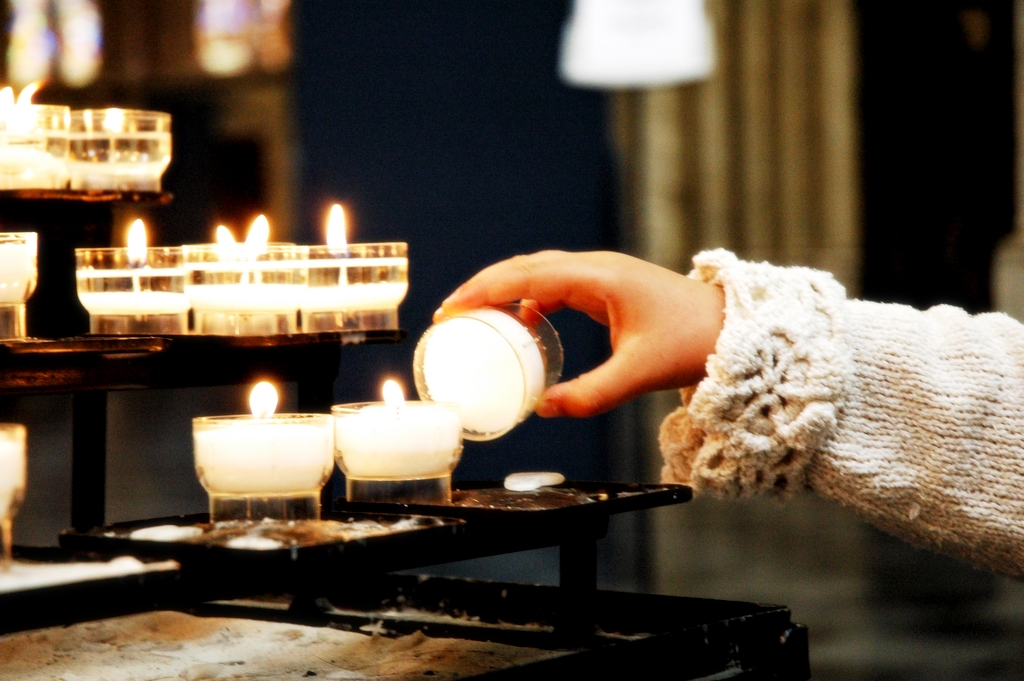


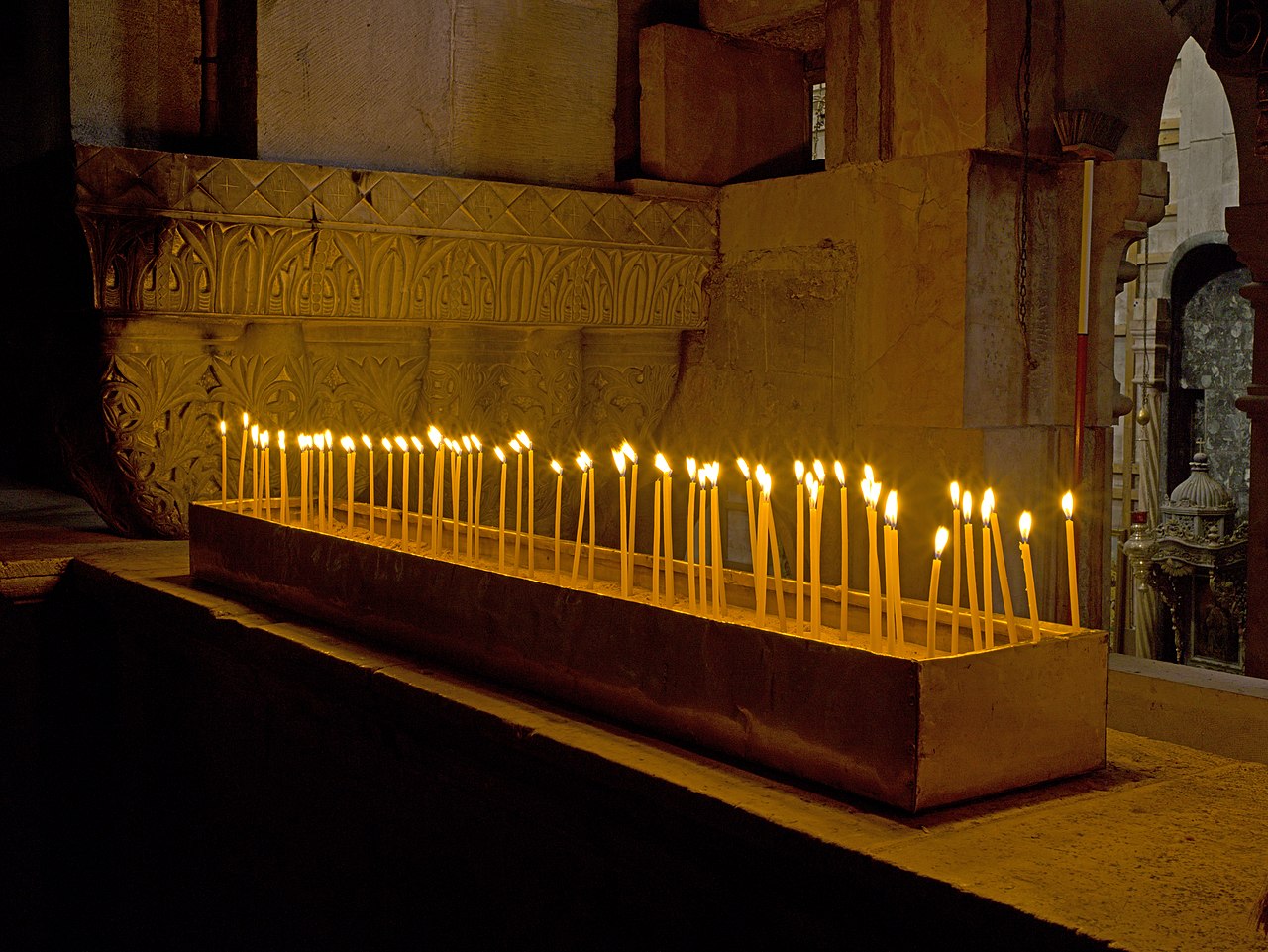
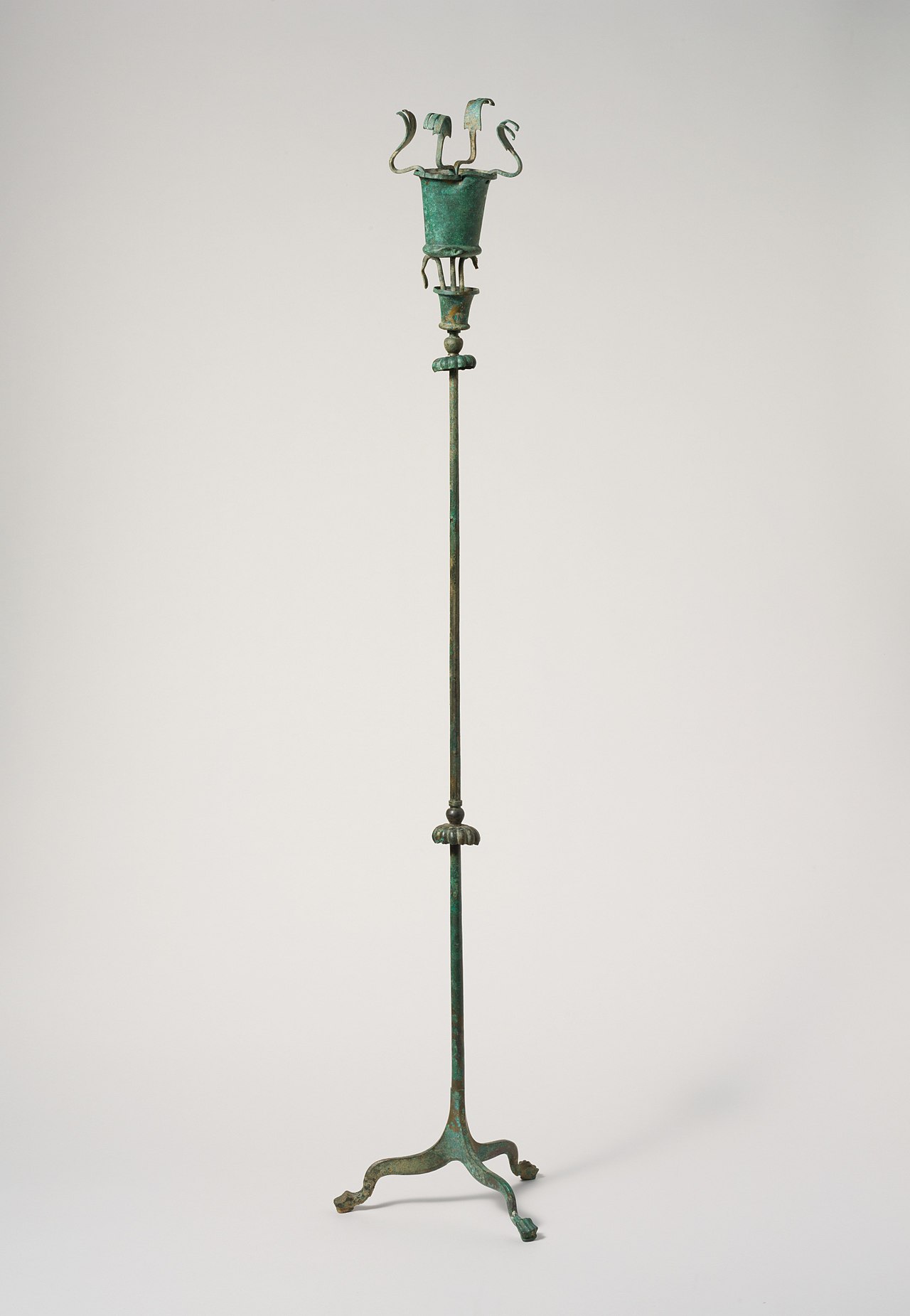

How a candle works
The visible flame is sustained by a cycle of melting, capillary action and vaporization. Heat from the flame melts a small pool of wax near the wick. The liquid wax is drawn up the wick by capillary action, reaches the hot zone, vaporizes and then combusts in the flame. That combustion produces light and several temperature zones, including a hot, often bluish region near the base. This thermal structure explains why a candle flame can be both small and very hot: localized temperatures in the inner flame can reach high levels, so caution is needed around open flames.
Characteristics and common materials
- Fuels: paraffin (a petroleum byproduct), beeswax, soy and other vegetable waxes, and blended formulations — each has different melting points, scent properties and soot production (combustion).
- Wicks: braided cotton, with or without metal core or chemical treatment, sized to match candle diameter and wax type (flame size).
- Shapes and containers: pillars, tapers, votives, tealights and container candles are common styles, and some designs include reservoirs to reduce dripping or wick drowning (containers).
- Decorative and functional additives: dyes, fragrances and stabilizers alter appearance and aroma; citronella oil is commonly used in outdoor candles to help deter insects (citronella).
History and development
Candles have been used for millennia as a primary source of portable light. Early forms included rolled tallow or beeswax and rushlights consisting of a pithy core dipped in fat. Over time manufacturing evolved from hand-dipped tapers to molded and mass-produced candles made from refined waxes. The arrival of practical electric lighting greatly reduced the candle’s role for general illumination, but candles continued to serve religious, ceremonial and decorative functions (traditional uses).
Uses and cultural importance
Today candles are chosen for a range of reasons beyond illumination: ambiance, ritual and scent. Scented candles are a common home accessory because they release fragrance as wax melts (fragrance). In emergency situations they provide temporary light when power is out (electricity), and in some outdoor or leisure contexts candles are used for insect control or mood lighting (ceremonial). Certain settings, like churches or historic reenactments, still use candles extensively for atmosphere and symbolism (lighting tradition).
Safety, maintenance and distinctions
- Burn time and consumption: a candle shortens as wax is consumed; proper wick trimming helps maintain a steady flame and reduces soot. Extinguishing can be done by blowing gently or using a snuffer to avoid splatter.
- Fire risk: even a small flame can ignite nearby materials; never leave candles unattended and place them on heat-resistant, stable surfaces to prevent accidental fires (precautions).
- Environmental and health notes: different waxes and fragrances can affect smoke and soot levels; those sensitive to scents or combustion products should choose unscented or cleaner-burning options (wick choice).
Candles remain a simple, versatile technology: their basic design — wax plus wick plus controlled combustion — has persisted while materials and manufacturing have diversified. For further details about candle types, safe burning practices and the chemistry of combustion, see introductory resources and manufacturer guidance (materials, construction, combustion basics, care, rituals, history, electric alternatives, scented varieties, insect-repellent candles, safety, containers, wicks).
Questions and answers
Q: What is a candle?
A: A candle is a stick made of wax with a string (a thin piece of rope) straight in the middle. When someone puts the string on fire, the flame burns slowly but for a long time.
Q: How does the fire burn on a candle?
A: The fire melts the wax instead of burning the string fast. The melted wax sometimes drips down the side of the candle and when it gets far from the flame, it gets hard again and can be used again in a new candle.
Q: How hot is the flame on a candle?
A: The light blue part of the flame can be as hot as 1,400°C (2,550°F). It can still burn people and things if it spreads and grows into a very big fire that could even burn down houses or buildings.
Q: What happens to candles over time?
A: If kept on long enough, candles will slowly get shorter and shorter until they are gone.
Q: How do you put out a candle's fire?
A: You can put out a candle's fire by blowing air on it or using something called a "candle snuffer" which covers it with small metal cup to stop its burning until it is all gone.
Q: Why were candles used before light bulbs?
A: Before light bulbs were invented, candles were used so people could see at night. Some people still use them today when electricity is down or because they like how little amount of light they make.
Q: What are citronella candles used for?
A: Citronella candles are special kinds of candles that help keep bugs away.
Related articles
Author
AlegsaOnline.com Candle: composition, burning process, history, uses and safety Leandro Alegsa
URL: https://en.alegsaonline.com/art/16523
Sources
- commons.wikimedia.org : Candles
- hypertextbook.com : "Temperature of a Candle Flame"