
Flowering plant sexuality: sexual systems and reproductive strategies
An overview of how flowering plants organize male and female functions: terms (bisexual, staminate, pistillate), sexual systems (monoecious, dioecious, gynodioecious), mechanisms and agricultural/ecological implications.
Flowering plant sexuality describes how male and female reproductive functions are distributed within flowers and among individuals. Botanists use precise terms to distinguish whether a single flower contains both sexual organs, whether separate flowers on the same plant bear different sexes, or whether whole individuals are one sex or the other. These arrangements influence pollination, gene flow and reproductive success.
Image gallery
2 Images
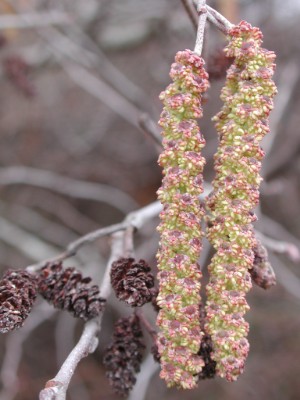
Basic terminology
Key terms include:
- Bisexual (perfect) flower: contains both stamens (male) and carpels/pistils (female).
- Unisexual (imperfect) flower: only stamens (staminate) or only carpels (pistillate).
- Monoecious: one plant bears both male and female flowers (e.g., maize).
- Dioecious: individual plants are either male or female (e.g., willows, kiwifruit).
Sexual systems and variations
Beyond monoecy and dioecy there are mixed systems: gynodioecy (female and hermaphrodite individuals), andromonoecy (male and hermaphrodite flowers on one plant), and polygamy, where plants combine flower types. Some species exhibit cleistogamy (closed self-pollinating flowers) alongside open, insect-pollinated flowers.
Mechanisms and evolutionary role
Sexual organization affects mating patterns. Dioecy and self-incompatibility mechanisms promote outcrossing and genetic diversity but require pollinators or mating partners. Hermaphroditism allows self-fertilization, which can provide reproductive assurance under pollinator scarcity but may increase inbreeding.
Importance and applications
Understanding plant sexuality is important in ecology, conservation and agriculture. Crop management of dioecious species (e.g., kiwifruit, hemp) must consider male:female ratios. Breeders exploit male sterility and sex expression to produce hybrids and control seed set.
Overall, the diversity of sexual systems among flowering plants reflects trade-offs between reproductive assurance, resource allocation and the benefits of genetic mixing.
Related articles
Author
AlegsaOnline.com Flowering plant sexuality: sexual systems and reproductive strategies Leandro Alegsa
URL: https://en.alegsaonline.com/art/35246
Sources
- cas.vanderbilt.edu : Angiosperm sexual systems
- books.google.com : Gender and sexual dimorphism in flowering plants : with 29 tables