
Banknote: Definition, History, Design, Security, and Uses
A banknote (bill) is a negotiable paper or polymer instrument issued by a bank or central bank as legal tender or promise of payment. Covers design, security features, history, and contemporary roles.
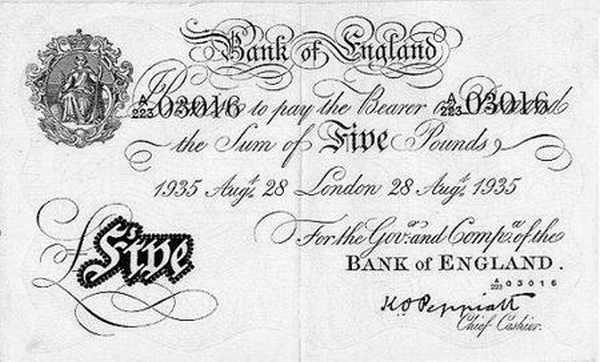
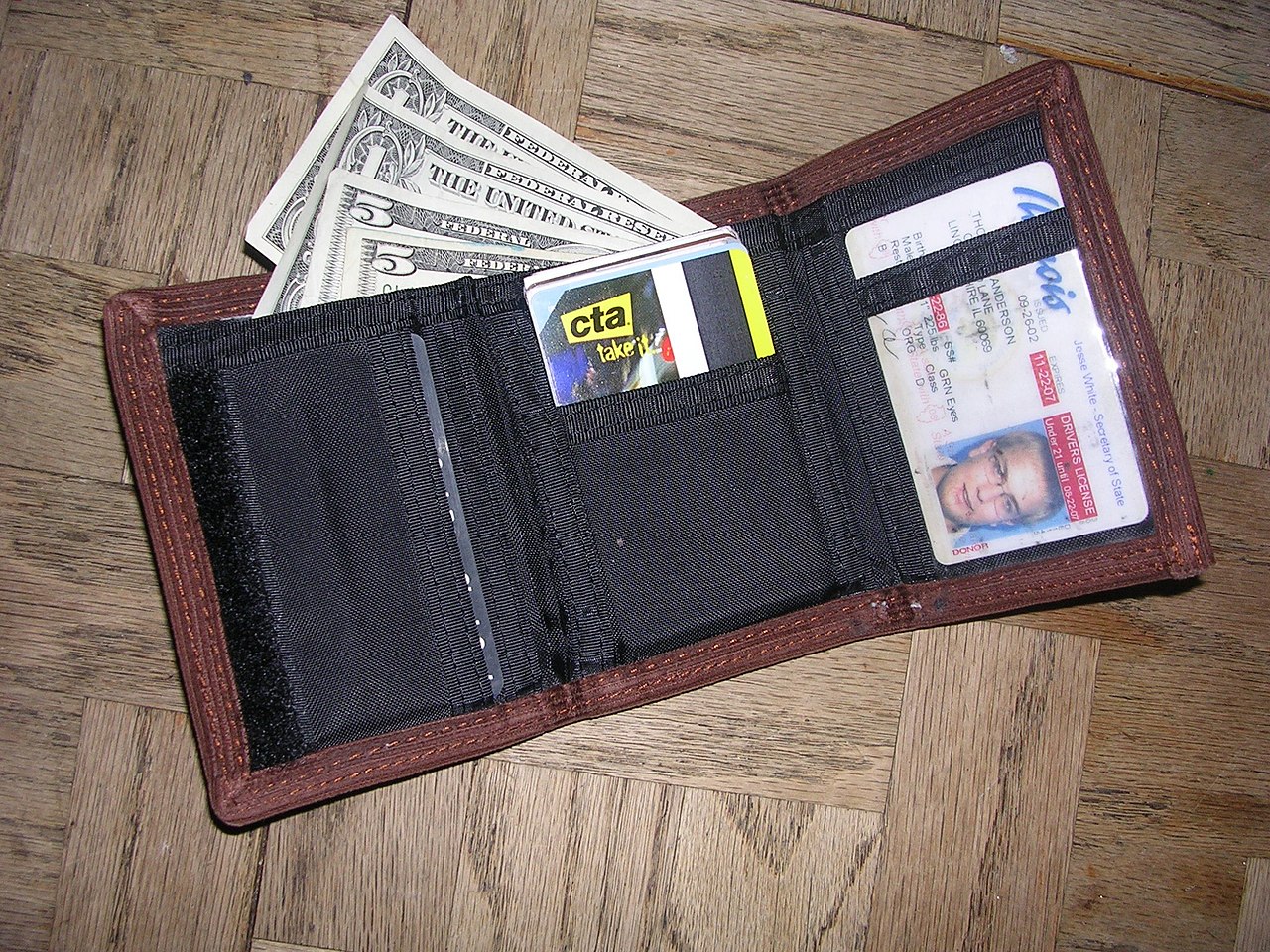
A banknote, commonly called a bill in some countries such as the United States and Canada, is a portable, negotiable instrument normally issued by a bank or a central bank. Historically a banknote began as a written promise to pay the bearer a stated sum on demand; in modern economies most banknotes function as fiat money — value established by government decree and public trust rather than by the material of which the note is made. Banknotes, together with coins, form the circulating cash component of most forms of modern money.
Image gallery
10 Images



Characteristics and typical components
Banknotes are produced on specialized substrates such as cotton-fiber paper or durable polymer and include multiple design elements to control appearance and help prevent counterfeiting. The face of a note usually shows denomination, issuing authority (a bank or central bank), serial numbers, portraits, and national symbols. The reverse commonly features landmarks or cultural imagery. The perceived value of a note rests on legal status, convertibility, and acceptability in commerce rather than intrinsic material worth.
Security features
- Watermarks and embedded threads visible when held to light.
- Intaglio printing that creates tactile raised ink.
- Microprinting and fine-line patterns hard to reproduce.
- Holographic patches, color-shifting inks and transparent windows on polymer notes.
- Complex serial-numbering systems and ultraviolet-reactive elements.
These layered measures increase the difficulty and cost of successful forgery and help both machines and people authenticate notes in everyday use.
Historical development
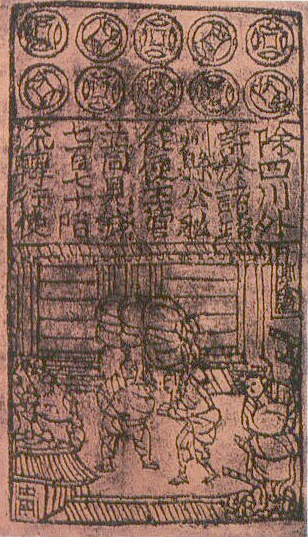
The idea of using a paper promise instead of carrying bullion appears in several early societies. China issued government-backed paper money by the Song dynasty, and in Europe notes evolved from receipts and warrants given by goldsmiths and merchant bankers who held deposits. Over time private promissory notes were standardized and centralized under national banks or treasuries. Where notes once represented a claim to precious metals such as silver or gold, the 20th century saw most currencies move off gold convertibility toward fiat regimes. This shift concentrated issuance and policy tools in central banks and removed the direct metal backing that earlier notes implied.
Uses, circulation, and legal aspects
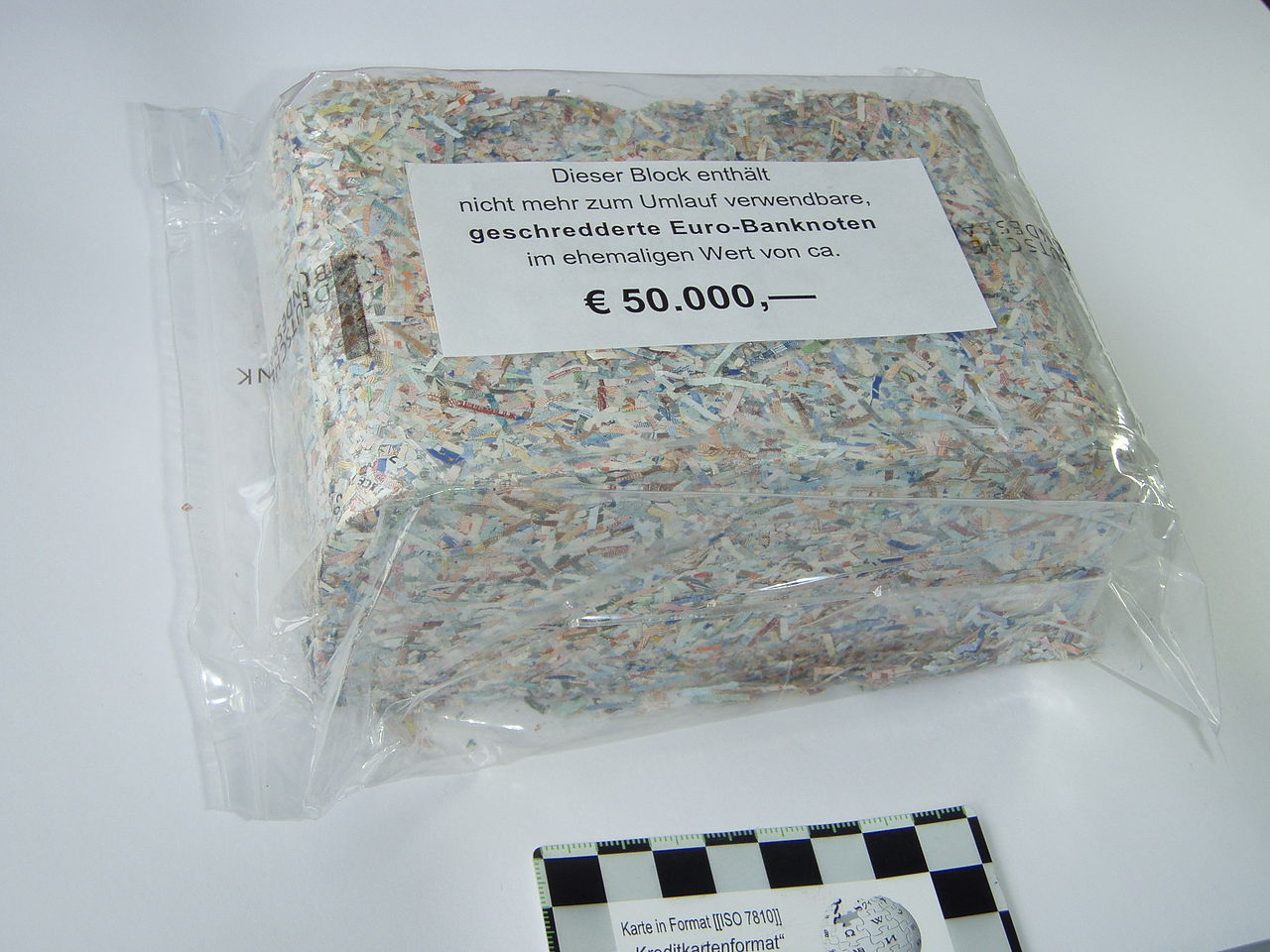
Banknotes are used for everyday transactions, savings in physical form, and as a legal medium for settling debts. Denominations are chosen to facilitate common transactions; lower-value items are commonly paid with coins while larger sums use notes. Legal-tender laws determine whether a note must be accepted for public debts or taxes, and rules differ between jurisdictions. Central banks manage issuance volume, replacement schedules, and recall of worn or compromised notes to maintain trust in the currency.
Notable distinctions and modern trends
Key distinctions include banknotes versus coins, bearer instruments versus registered accounts, and commodity-backed versus fiat currency. In recent decades many countries have upgraded to polymer substrates for durability and added sophisticated optical features. Meanwhile, electronic payments and digital currencies influence demand for physical notes but have not eliminated cash in many regions. For further practical guidance on handling counterfeits, design examples, and issuing authorities, readers can consult central bank resources or general references available from official issuers such as national mints and monetary authorities (see links below).
Related resources: bill (U.S.), Canadian banknotes, bank issuance, coinage, cash systems, money, value concepts, materials, silver, gold.
Questions and answers
Q: What is a banknote?
A: A banknote is a paper by which a bank promises to pay to the bearer on demand.
Q: What are coins used for?
A: Coins are generally used for lower valued monetary units.
Q: Why were banknotes introduced?
A: Banknotes were introduced because carrying around a lot of precious metal was cumbersome and often dangerous.
Q: What determines the value of money?
A: Originally, the value of money was determined by the value of the material it was made of, such as silver or gold.
Q: What is a note in financial terms?
A: In financial terms, a note is a promise to pay someone money.
Q: What was the original purpose of banknotes?
A: The original purpose of banknotes was to be a promise to give an amount of precious metal to anyone who presented the paper.
Q: How were banknotes used for paying for things?
A: People could pay for things by giving the banknote, and thus the stored value (usually in gold or silver coins kept in the bank's vault) that the banknote promised.
Author
AlegsaOnline.com Banknote: Definition, History, Design, Security, and Uses Leandro Alegsa
URL: https://en.alegsaonline.com/art/8772