
Linen: fabric from flax fibers
Linen is a textile made from flax (Linum usitatissimum) valued for strength, absorbency, and coolness. It is used for clothing, bedding, and household textiles with a long cultural history.
Overview
Linen is a woven textile produced from the fibres of the flax plant (Linum usitatissimum). Renowned for its durability and ability to feel cool and dry against the skin, linen has been used for garments and household textiles for millennia. It remains popular for summer clothing, bedding and decorative textiles.
Image gallery
10 Images



Characteristics
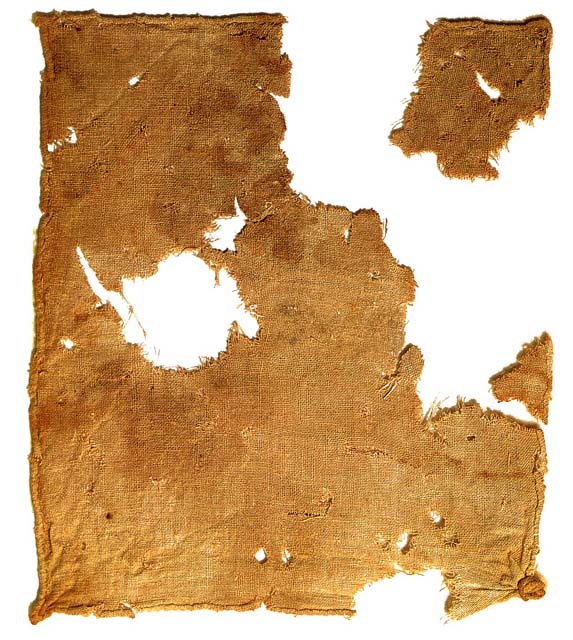
Linen fibres are long and smooth, which gives the fabric notable tensile strength, good moisture absorbency and a distinct textured appearance. The fabric breathes well and dries quickly, making it comfortable in warm conditions. A common characteristic is a tendency to wrinkle; many users value the natural, lived-in look. Linen also softens with repeated washing.
Making linen
The conversion of flax into linen involves several stages:
- Retting: loosening the fibres from the stem by controlled microbial action or chemical treatment.
- Breaking and scutching: removing woody portions and separating fibres.
- Hackling and combing: aligning and refining fibres for spinning.
- Spinning and weaving: turning fibres into yarn and fabric.
History and cultural importance
Linen is one of the oldest textiles known. It was widely used in ancient civilizations for clothing, burial shrouds and ceremonial cloths. Over centuries it has been prized for its strength and prestige in many societies and continues to be associated with quality table and bed linens.
Uses and care
Common applications include light clothing, shirts, summer suits, dresses, household textiles like curtains and table coverings, and bedding. Linen is machine washable but often benefits from gentler cycles and prompt drying to reduce creasing; ironing while slightly damp produces the smoothest finish.
Notable distinctions
Linen differs from cotton and other plant fibres by its longer, stiffer fibres and greater initial rigidity. It is often considered more environmentally favorable because flax can be grown with relatively low inputs, though environmental impacts vary by cultivation and processing methods. Quality varies with fibre length and processing techniques, so linen ranges from coarse utility cloths to fine apparel fabrics.
Related articles
Author
AlegsaOnline.com Linen: fabric from flax fibers Leandro Alegsa
URL: https://en.alegsaonline.com/art/58270