
Federal Republic of Central America (United Provinces of Central America)
A short-lived federal state formed from former Spanish Central America after 1821 independence; it united five core provinces and collapsed amid regional conflicts by the early 1840s.
Overview
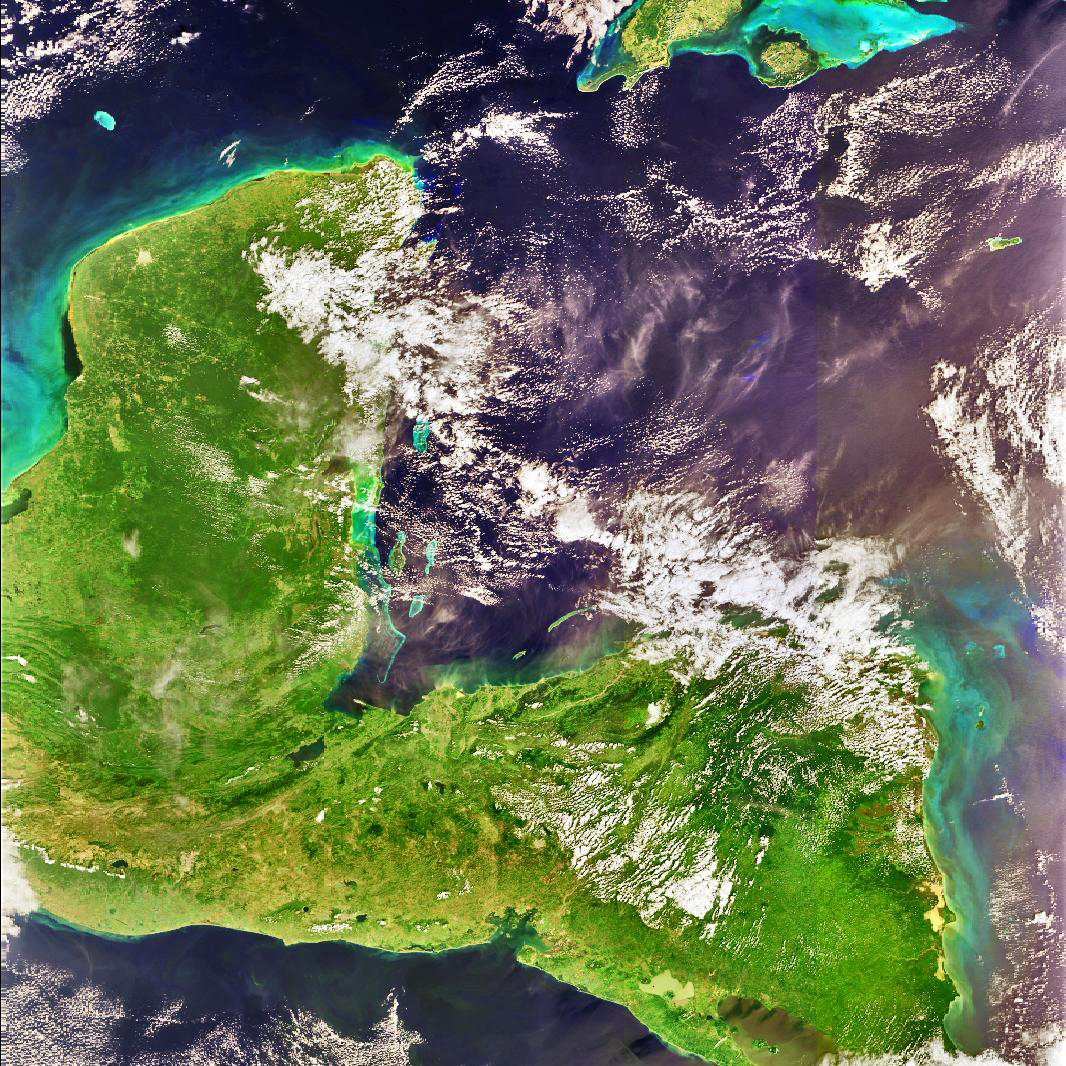
The Federal Republic of Central America, initially called the United Provinces of Central America, was a republican federation formed from the territories of the former Captaincy General of Guatemala after independence from colonial rule. The region declared independence from Spain in 1821 and experienced a brief period of incorporation into the First Mexican Empire. After that interlude the provinces moved toward a federal arrangement intended to combine shared institutions with regional autonomy, a union that endured in various forms until the federation dissolved by about 1841. The union is part of the modern historical foundation of the Central American nations and of the broader Central America story.
Image gallery
10 Images





Territory and members
The federal republic encompassed most of the mainland territories now recognized as independent countries in Central America. Member states included:
Adjacent territories had different statuses. For example, Panama was part of Gran Colombia after independence rather than of the Central American federation. Within the federation several regional provinces and short-lived entities, such as the highland state often called Los Altos, asserted distinct identities; Quetzaltenango served as the main city of that region during its period of autonomy.
Political system and development
The republic was organized as a federal, republican system with a written framework that attempted to balance central institutions and strong state governments. Political life was dominated by debates between liberal and conservative factions: liberals generally favored free trade, secular reforms and stronger federal authority, while conservatives tended to support traditional social hierarchies, church influence and local particularism. Prominent leaders, including well-known federalists, sought to preserve the union but faced obstacles from provincial military leaders, competing economic interests and limited infrastructure connecting the states.
Rise and collapse
The federation’s lifespan was marked by repeated crises. Conflicts over taxation, military command, land policy and church-state relations led to civil wars and secessions. Regional caudillos and rival elites often prioritized local power over federal cohesion. Attempts to restore or centralize authority met with resistance, and prolonged instability in the late 1820s and 1830s weakened the union. By the early 1840s individual member states had effectively become independent nations, and the federal structure ceased to operate as a functioning central government.
Legacy and significance
Although the federation collapsed, its legacy shaped the modern political map and national identities of Central America. Shared legal traditions, patterns of landholding, and economic ties created during the federation era informed later national constitutions and political culture. The memory of the union has also influenced later regional integration efforts and cultural self-understanding in the isthmus.
Notable facts and distinctions
- The federation is commonly referred to by both names: the Federal Republic of Central America and the United Provinces of Central America.
- The initial move to independence in 1821 was followed by a short-lived annexation to the Mexican empire; the decision and its reversal were an early test of regional unity and sovereignty (annexation events).
- Different cities served as political centers at different times: federal institutions were often based in the old colonial capital region, while separatist provinces had their own local capitals such as Quetzaltenango in Los Altos.
- Contemporary histories of the area and resources on the broader region can be found through general references to Central America and national archives in each modern country, including Guatemala, El Salvador, Honduras, Nicaragua and Costa Rica.
- Neighboring geopolitical arrangements, such as the status of Panama, shaped the limits of the federation and the subsequent national borders.
Related articles
Author
AlegsaOnline.com Federal Republic of Central America (United Provinces of Central America) Leandro Alegsa
URL: https://en.alegsaonline.com/art/33850