
Federal Security Service (FSB)
Russia's principal domestic security agency, successor to parts of the KGB, responsible for counter‑intelligence, border security, counter‑terrorism, surveillance and major criminal investigations.
The Federal Security Service, commonly known by its Russian initials FSB, is the principal agency charged with internal security in the Russian Federation. It evolved from Soviet and early post‑Soviet security bodies and is widely identified in English‑language sources as the FSB. Its declared remit includes protecting the state against internal threats, conducting counter‑intelligence, and ensuring the security of borders and critical infrastructure. For an official overview see agency profile.
Image gallery
10 Images






Roles and responsibilities
The FSB's mainstream functions cover a range of domestic security tasks. These typically include:
- Counter‑intelligence — locating and countering hostile intelligence activities within the country (details).
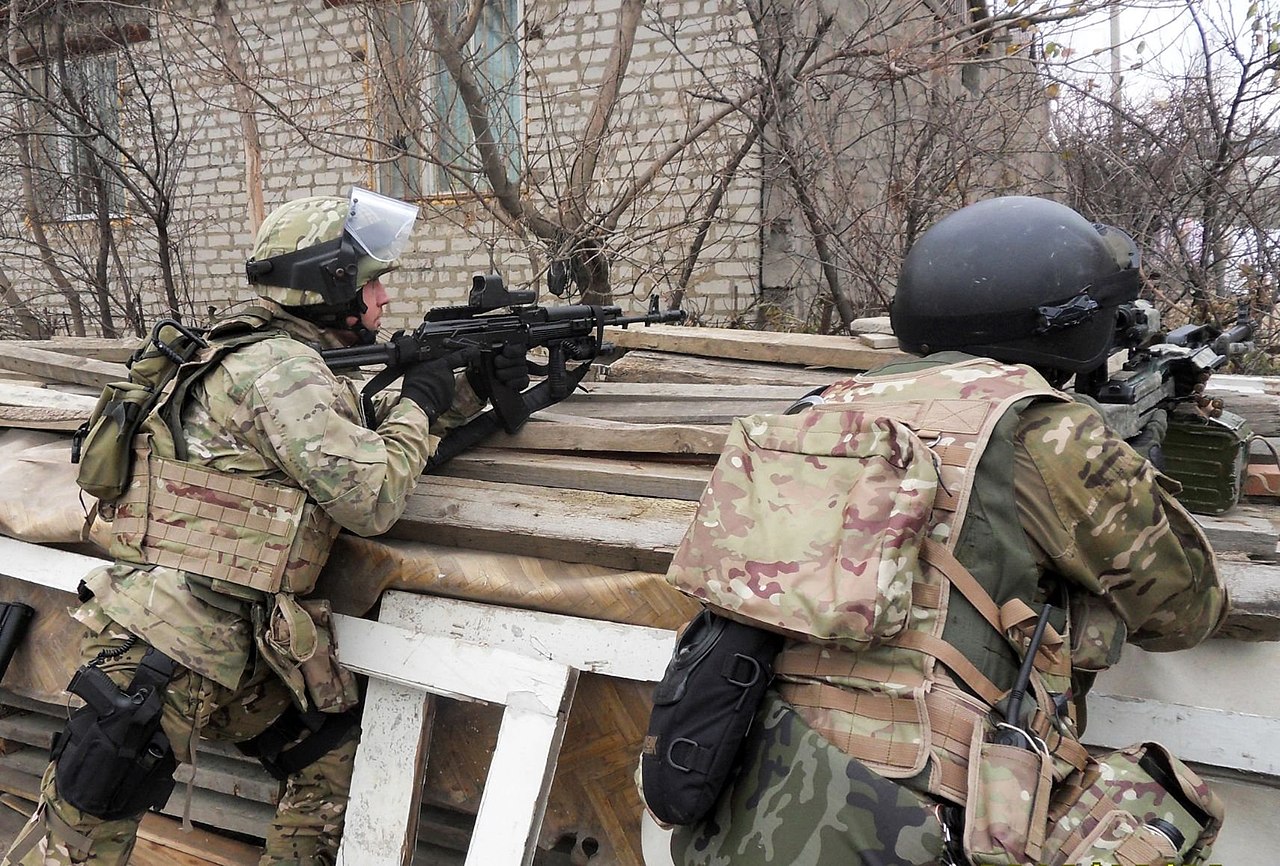
- Counter‑terrorism — prevention, investigation and response to terrorist threats and attacks.
- Border security — supervision of frontier control and related measures (border service).
- Surveillance and law enforcement — monitoring, electronic and human intelligence collection, and investigation of certain serious crimes (surveillance activities).
Organization and headquarters
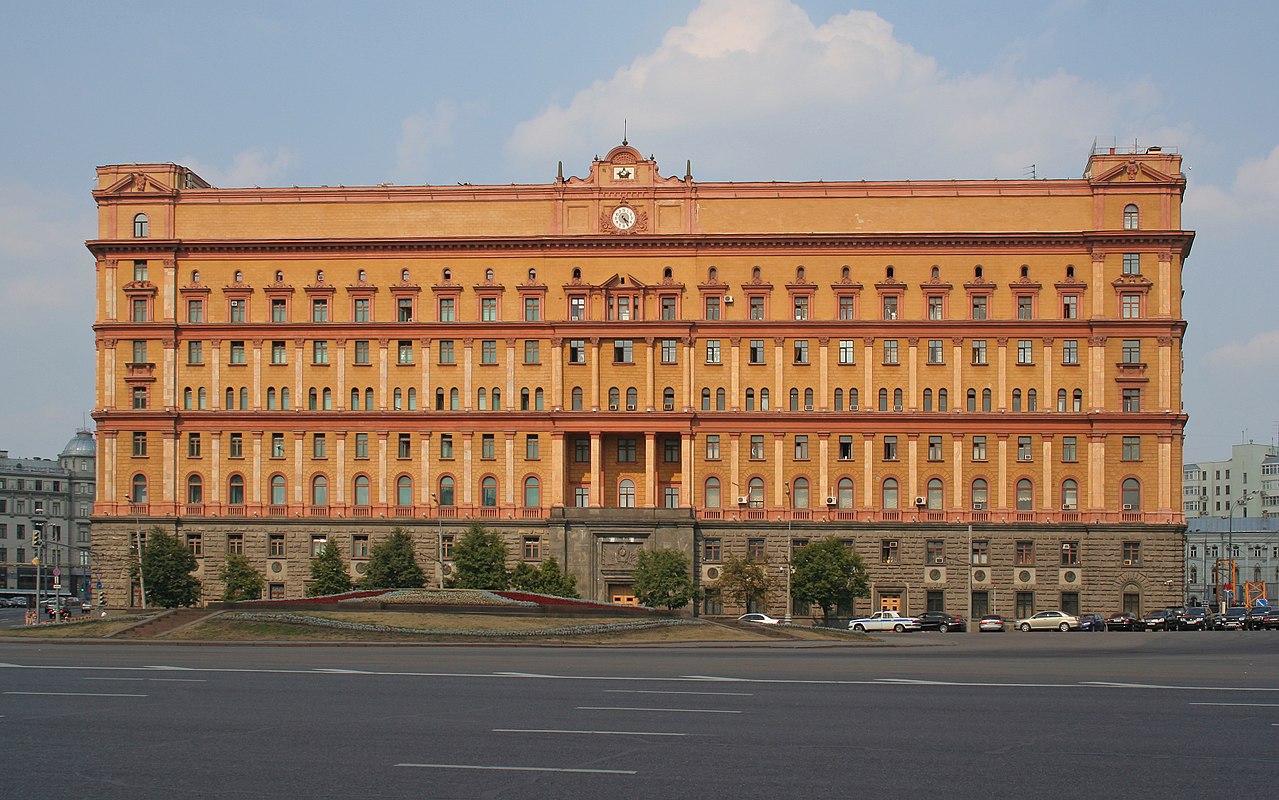
The FSB operates a central headquarters in Moscow and a nationwide network of regional directorates. Its main building is historically located at Lubyanka Square in central Moscow, a site long associated with Soviet and Russian security organs. The agency encompasses specialized units for cyber security, economic security, and protective functions, and coordinates with other state bodies on national security matters. General Aleksandr Bortnikov has served as Director since 2008.
Origins and development
The modern FSB traces its lineage to the Soviet KGB and to transitional post‑Soviet services. After the dissolution of the USSR the KGB was broken up and its domestic functions were reorganized into successor services; the FSB was established through further reforms in the 1990s as the principal federal domestic security service. The historical connection to the KGB is often noted in accounts of the agency's role and institutional culture (historical context).
Distinctions and relationships
The FSB's mandate is primarily domestic. Foreign intelligence is handled by a separate service, while protection of senior officials and certain installations falls to other agencies. These institutional distinctions are important for understanding how responsibilities are divided among Russia's security and intelligence community; for comparative material see related sources.
Public profile and controversies
Because of its broad powers, the FSB is a prominent and sometimes contentious institution. It has been credited with major counter‑terrorism operations and with protecting state security, while critics and international observers have raised concerns about civil liberties, political influence, and the scope of surveillance. Assessments of the agency vary widely depending on legal, political and international perspectives.
The FSB continues to play a central role in Russia's national security framework, balancing law enforcement, intelligence and border control functions within the state's institutional structure. For further reading and official statements consult the agency portals and analytical studies linked above.
Questions and answers
Q: What is the FSB?
A: The FSB is an organisation in Russia that takes care of security of the country, relating to internal affairs inside the country.
Q: What organisation did the FSB come after?
A: The FSB came after the KGB.
Q: How is the FSB usually referred to in English-language sources?
A: The FSB is usually simply called the FSB in English-language sources.
Q: What are the main responsibilities of the FSB?
A: The main responsibilities of the FSB are counter-intelligence, internal and border security, counter-terrorism, and surveillance. It also investigates some other types of serious crimes.
Q: Where are the headquarters of the FSB located?
A: The headquarters of the FSB are in Lubyanka Square, Moscow's centre, in the main building of the former KGB.
Q: Who is the Director of the FSB?
A: The Director of the FSB since 2008 is army general Aleksandr Bortnikov.
Q: What does the FSB do?
A: The FSB does counter-intelligence, internal and border security, counter-terrorism, and surveillance. It also investigates some other types of serious crimes to ensure the security of the country.
Related articles
Author
AlegsaOnline.com Federal Security Service (FSB) Leandro Alegsa
URL: https://en.alegsaonline.com/art/33854