
First Mexican Empire (1821–1823)
Short-lived constitutional monarchy that followed Mexican independence from Spain, ruled by Emperor Agustín de Iturbide and dissolved after clashes with republican forces and Congress.
Overview
The First Mexican Empire was the initial state form adopted by the territory that emerged from the dissolution of Spanish rule in the Americas. It proclaimed independence from Spain and organized itself as a monarchy intended to unify disparate provinces. Its Spanish name is sometimes cited in period sources as Imperio Mexicano, and it governed the newly independent Mexican territories in the early 1820s as a sovereign polity.
Image gallery
3 Images

Formation and institutions
The imperial arrangement was shaped by a series of political agreements and military pacts designed to secure the support of both royalist officers and insurgent leaders. Prominent among these was a declaration that combined loyalty to the Roman Catholic Church, independence, and the establishment of a hereditary monarchy. The regime presented itself as a monarchy with a constitution-like framework, though actual political practice mixed executive authority with efforts to negotiate the role of a constituent congress.
Territory and governance
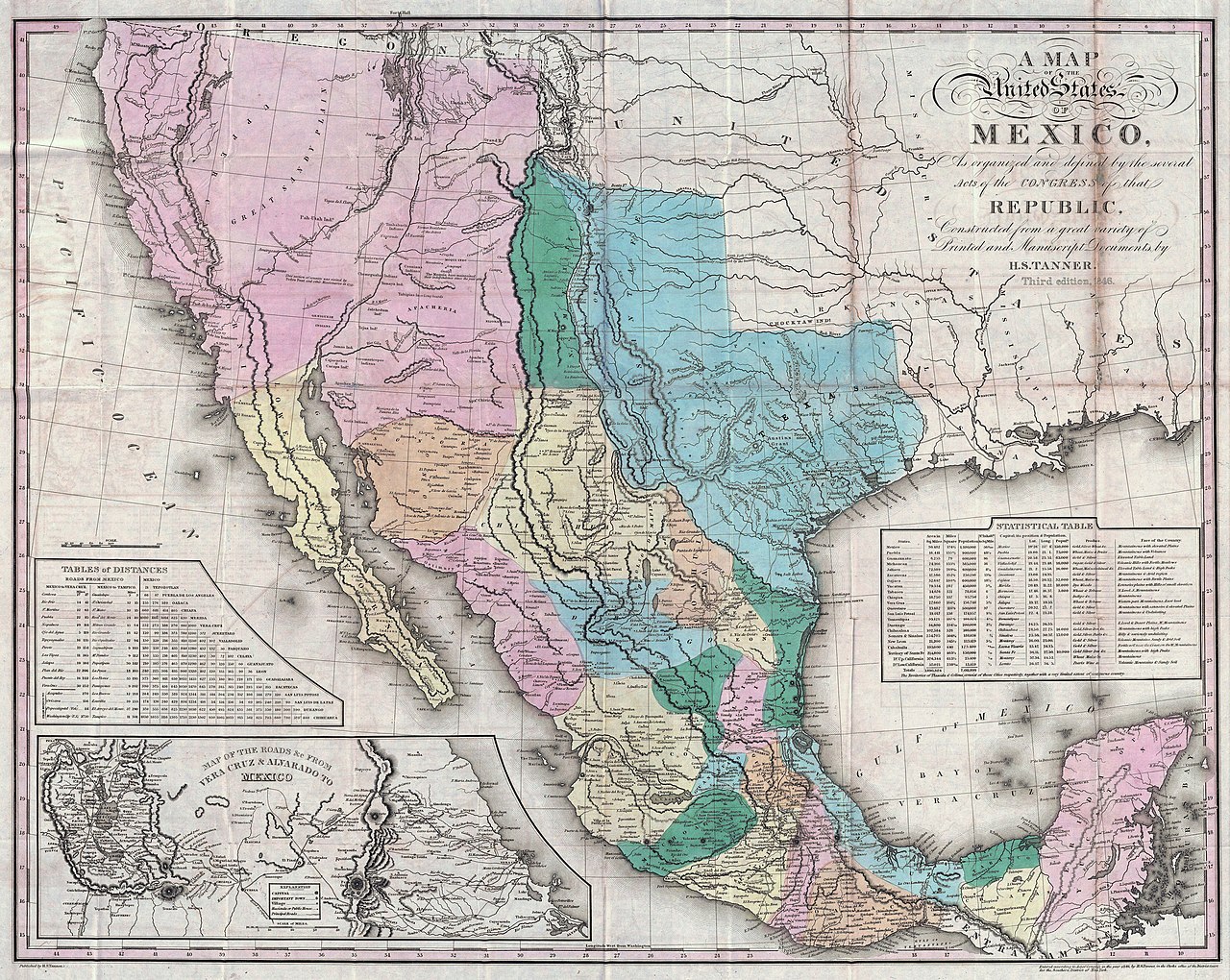
The empire laid claim to the broad inheritance of colonial administration in North and Central America, including the lands long administered as New Spain and adjacent provinces of Central America. Its rulers attempted to integrate diverse regional elites and local institutions under imperial oversight while grappling with strong local identities and competing political projects.
Collapse and aftermath
Internal tensions between the emperor, his supporters, and an assertive congress—combined with military and political opposition from regional leaders—undermined the imperial government. A movement that rejected the monarchical settlement eventually forced the emperor to step down, leading to the proclamation of a republican regime. The imperial interlude thus ended, and the country moved toward a federal or republican constitution in the subsequent years. Decades later a separate, foreign-backed restoration of monarchical rule would occur under Maximilian I, known as the Second Mexican Empire.
Key points and legacy
- The First Mexican Empire served as a transitional state between colonial rule and republican government.
- Its creation relied on political compromises intended to prevent further warfare among newly independent provinces.
- Its brief existence highlighted sharp tensions over central authority, regional autonomy, and the form of government most suitable for the new nation.
- Events from the imperial period influenced later constitutional debates and political alignments in Mexico and neighboring Central American provinces.
Notable distinctions
Although called an empire, this polity differed from older hereditary empires in Europe by arising from a revolutionary independence movement and by collapsing quickly under domestic political pressure. For a concise introduction to its historical context and institutions, consult general works on early 19th-century Latin American independence movements and specialized studies of the Mexican transition from colonial rule to republicanism. Further reading and primary documents may be found via general reference links and archival collections (imperial name, national history, monarchical theory, colonial legacy, later empire).
Related articles
Author
AlegsaOnline.com First Mexican Empire (1821–1823) Leandro Alegsa
URL: https://en.alegsaonline.com/art/34572