
Fashion week: global showcases of seasonal clothing and industry trends
A week-long series of runway shows, presentations and trade events where designers and brands present seasonal clothing to buyers, press and the public, anchored by the four major fashion capitals.
Fashion week is a concentrated set of events, typically lasting about one week, during which designers, labels and fashion houses reveal upcoming collections to industry audiences. The core purpose is practical and cultural: to inform retailers and buyers about what will be available for the coming season and to signal stylistic directions that affect manufacturing, retail and popular taste. Many attendees include editors, stylists, buyers and influencers in addition to invited guests and the public.
Image gallery
6 Images



Format and components
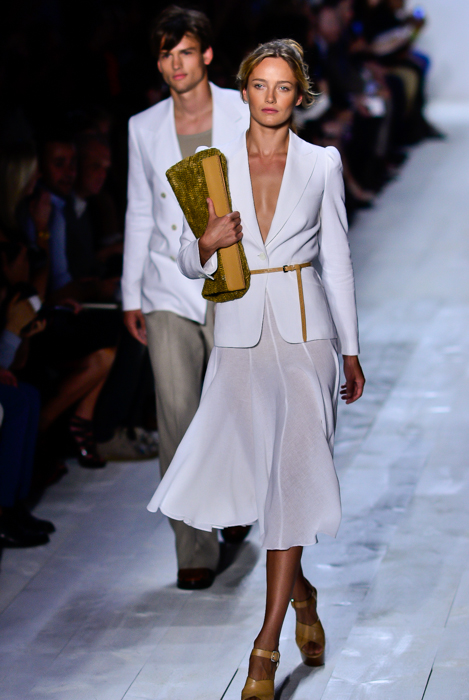
A modern fashion week combines several formats. The most visible are live runway shows where models display garments in choreographed presentations, but shows are only one element of a broader schedule:
- Runway shows and catwalk presentations that stage new pieces.
- Showrooms and brand appointments where labels meet buyers and place orders.
- Trade fairs, pop-up events and showroom markets for wholesale visitors.
- Press previews and digital lookbooks aimed at the media and editors.
- Parties, talks and installations that build cultural momentum.
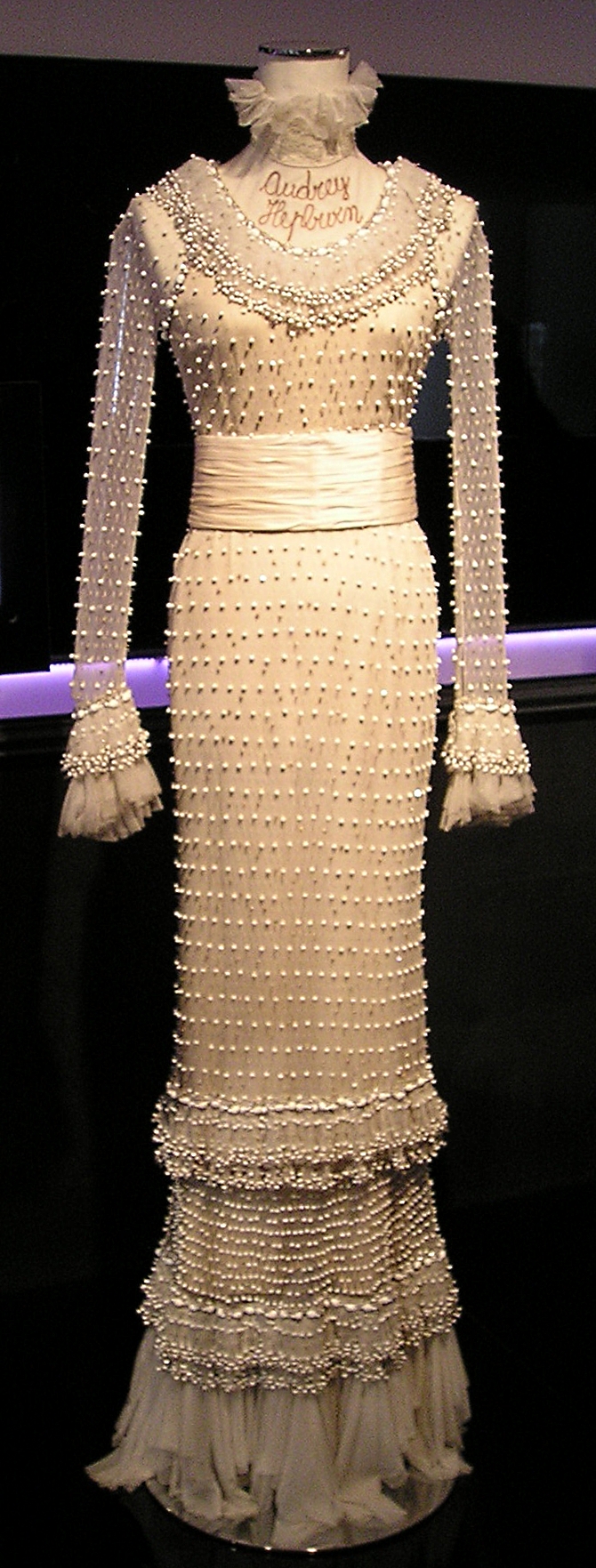
Collections shown are usually described by season (for example spring/summer or autumn/winter) and focus on garments, textiles and accessories. Designers present everything from couture or bespoke lines to ready-to-wear and diffusion labels, with an emphasis on both creative vision and commercial viability. The pieces themselves are often referred to as clothing, collections or lines created by individual designers or brands.
Major centers and global reach
Four cities are traditionally considered the most influential hubs: New York, London, Milan and Paris, sometimes called the "Big Four". These markets set international editorial and buying calendars and are closely watched by trade publications. Beyond them, many countries and cities host prominent events that serve regional industries and talent—examples include Berlin and São Paulo.
Fashion week functions as an event that both reflects and drives industry patterns. It boosts visibility for emerging designers, supports wholesale and retail cycles, and creates seasonal narratives for style. At the same time it faces critiques—cost and exclusivity, environmental concerns about production and overconsumption, and debates over representation. In recent years digital streaming, social media coverage and hybrid presentations have expanded access while reshaping how collections are discovered and sold, altering the traditional model of the fashion calendar and audience engagement.
Overall, fashion week remains a central ritual of the global fashion industry: a concentrated moment when creativity, commerce and culture intersect to announce what will influence wardrobes and retail in the months ahead.
Related articles
Author
AlegsaOnline.com Fashion week: global showcases of seasonal clothing and industry trends Leandro Alegsa
URL: https://en.alegsaonline.com/art/33595
Sources
- books.google.com : Fashion Journalism
- books.google.com : The Fundamentals of Fashion Management
- independent.co.uk : "Top fashion weeks around the world"
- commons.wikimedia.org : Fashion week