
Fedora: design, history, and cultural associations
A fedora is a soft-brimmed hat with a creased crown, known for its late-19th‑century origin, 20th‑century popularity, and cultural associations from film noir to modern fashion.
Overview: A fedora is a soft hat characterized by a pinched front, a creased crown and a flexible brim. The term derives from a late‑19th‑century stage play titled Fédora by Victorien Sardou; the hat’s name became established through popular use and fashion reportage. For a basic definition and images see general reference.
Image gallery
7 Images



Design and parts
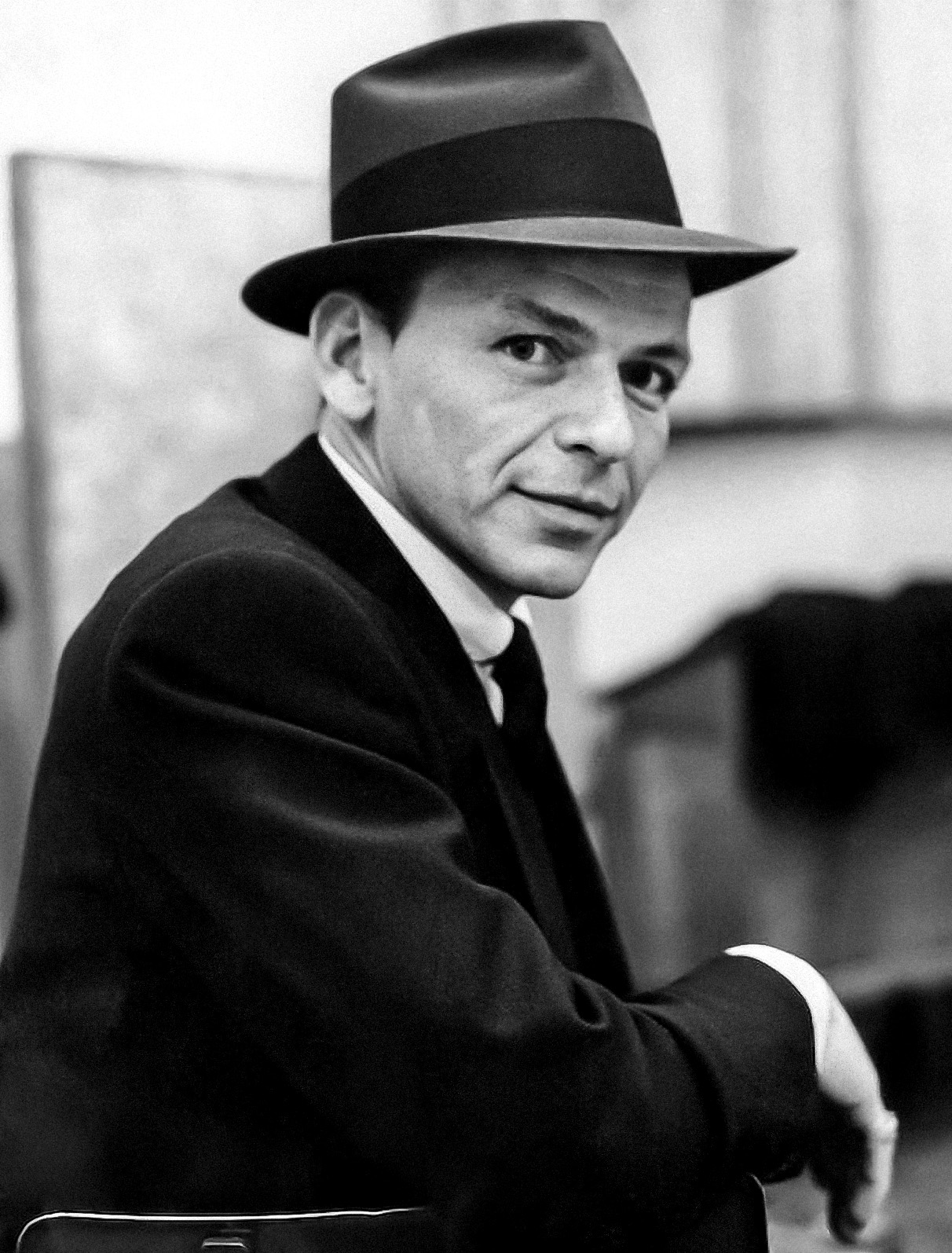
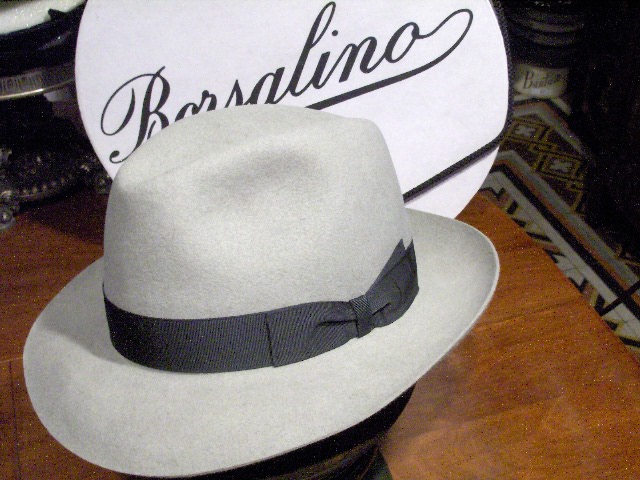
Typical elements of a fedora include a central crease running lengthwise down the crown, a pinch or dents at the front, and a moderately wide brim that can be snapped up or worn down. A narrow ribbon or band often encircles the base of the crown. Construction and finish vary, but the silhouette—crown, brim and band—defines the style.
Materials and variants
- Felt (commonly wool or fur felt) is the traditional material; it gives structure and a smooth surface.
- Straw or lightweight fabrics are used for warm‑weather versions.
- Colors range widely, with black, gray and brown among the most common; accented bands introduce contrast.
Different brim widths and crown heights produce variations that are still recognized as fedoras; these choices influence formality and function.
History and cultural associations
The fedora moved from theatre costume into everyday wear in the late 19th and early 20th centuries, becoming a staple of men’s fashion through the interwar and mid‑century decades. It acquired layered meanings through cinema and popular culture: figures in detective fiction and film noir often wore fedoras, a visual shorthand that associated the hat with private investigators and certain criminal stereotypes. See a theatrical origin reference at the play Fédora and commentary on early popularity at historical timeline. The hat’s role as a cultural stereotype is discussed in many sources: stereotype overview.
Uses, etiquette and notable wearers
Fedoras have served practical and stylistic roles: protecting from sun and rain, signaling social status, or completing a tailored outfit. Contemporary fashion cycles have revived the fedora at various moments, and it remains a visible accessory in costumes and streetwear. The hat’s appearance has also been tied to particular public figures; some individuals have become visually associated with fedoras in media coverage, for example Jack Abramoff and Richard W. Lariviere in modern reportage. Common color examples are illustrated at color examples.
Distinctions: The fedora is often compared with other brimmed hats—such as the trilby or homburg—which differ in crown shape, brim stiffness, and traditional formality. Understanding those subtle differences helps in identifying styles in historical photographs and in contemporary fashion.
Related articles
Author
AlegsaOnline.com Fedora: design, history, and cultural associations Leandro Alegsa
URL: https://en.alegsaonline.com/art/33882