
Fishing industry: sectors, history, and global importance
Comprehensive overview of the fishing industry covering its sectors, value chain, history, social and economic importance, and sustainability challenges.
Overview
The fishing industry covers all activities related to obtaining and supplying aquatic animals and plants for consumption, trade or other uses. It includes capture fisheries, aquaculture, processing and distribution, and extends from small-scale artisanal operations to large industrial fleets. The term embraces recreational fishing, subsistence fishing and commercial enterprises that deliver fish and other seafood products to markets.
Image gallery
10 Images



Core components
The production chain can be grouped into distinct stages:
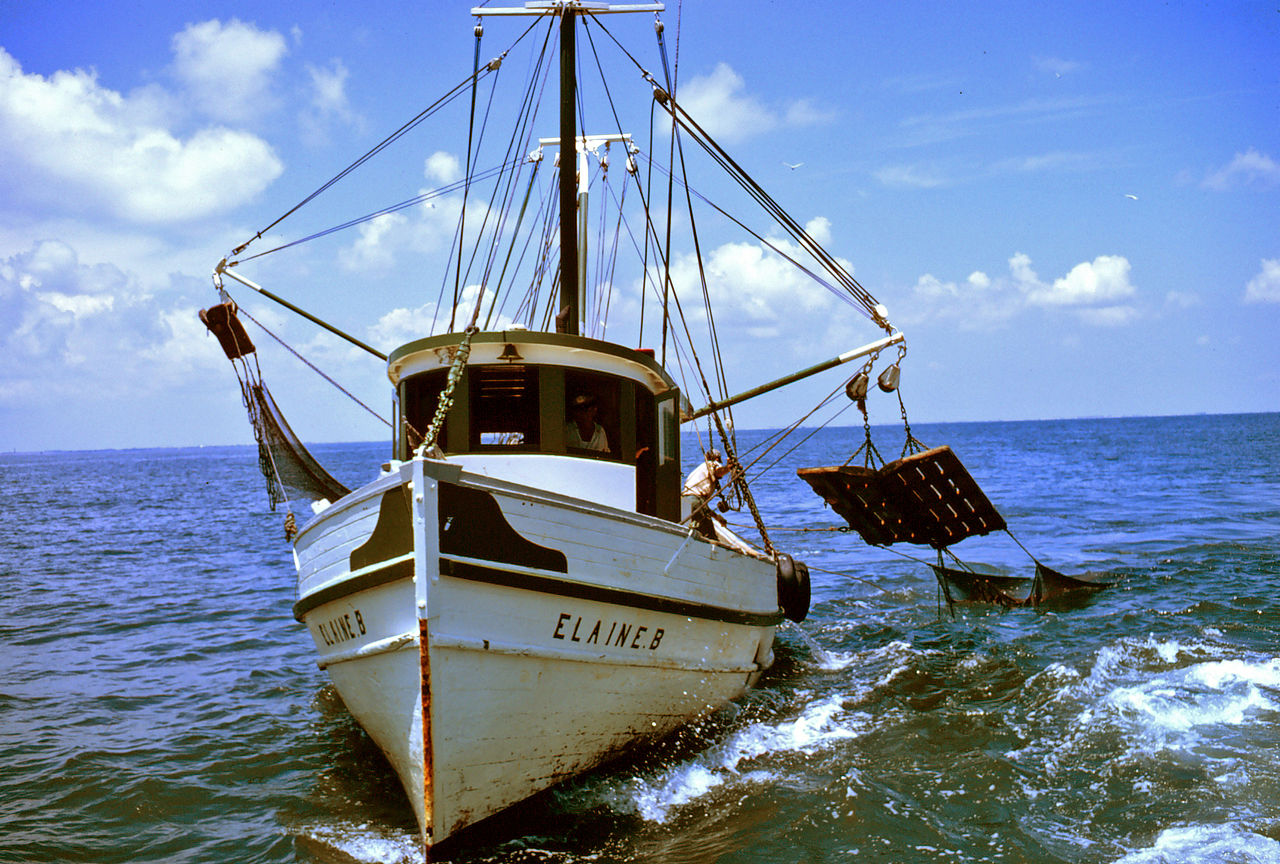
- Harvest: wild capture by boats using nets, lines, traps and other gears;
- Aquaculture: farming of finfish, shellfish and seaweeds in marine or freshwater systems (aquaculture);
- Processing: cleaning, filleting, preserving and packaging for sale (processing);
- Distribution and marketing: transport, wholesale and retail supply chains that bring products to consumers and industry.
Historical development
Humans have harvested fish since prehistoric times. Over centuries, coastal communities developed specialized techniques and crafts. Industrialization introduced steam and diesel-powered vessels, refrigeration, canning and larger trawls, dramatically increasing catch capacity. In recent decades, aquaculture has grown to supplement wild capture and meet rising demand.
Economic and social importance
Fisheries and aquaculture are vital sources of protein, livelihoods and export earnings. According to major international assessments, the sector supports the incomes and food security of millions worldwide — particularly in many developing countries. Small-scale fishers, processors and traders are central to coastal and rural economies, while recreational and subsistence activities also contribute cultural and social value (economic activity).
Challenges and management
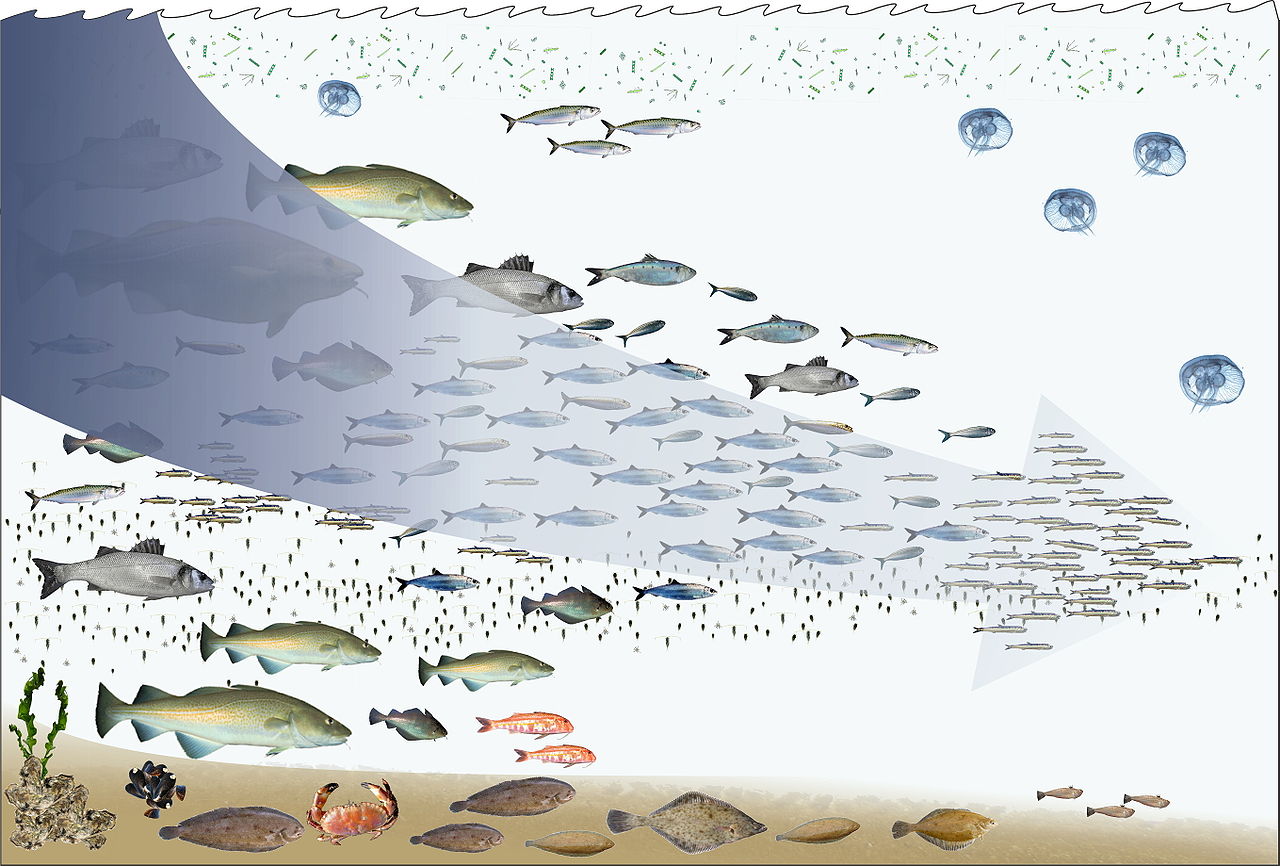
The industry faces sustainability concerns including overfishing, bycatch, habitat damage and illegal, unreported and unregulated fishing. Management tools include quotas, gear restrictions, marine protected areas and certification schemes. Effective monitoring and responsible processing and marketing practices help balance supply with conservation goals and ensure long-term viability of the sector (fish supply chains).
Notable distinctions
Key contrasts within the industry are wild capture versus aquaculture, marine versus freshwater production, and artisanal versus industrial operations. Understanding these differences is important for policy, investment and community planning as the sector adapts to environmental change and evolving consumer demand. For further context see specialist resources on fisheries and market systems (processing, seafood, recreation, aquaculture, development, economics, species).
Related articles
Author
AlegsaOnline.com Fishing industry: sectors, history, and global importance Leandro Alegsa
URL: https://en.alegsaonline.com/art/34640
Sources
- fao.org : Fishing industry.