
São Paulo: Brazil's largest metropolis
Comprehensive overview of São Paulo—its geography, history, economy, culture and notable distinctions. A guide to Brazil’s biggest city and one of the world’s major urban centers.
Overview
São Paulo takes its name from Saint Paul and serves as the capital of the state of São Paulo in Brazil. It is widely regarded as the largest city in the South America region and the Southern Hemisphere, and one of the largest urban agglomerations globally, second in the Western Hemisphere only to Mexico City in some rankings.
Image gallery
3 Images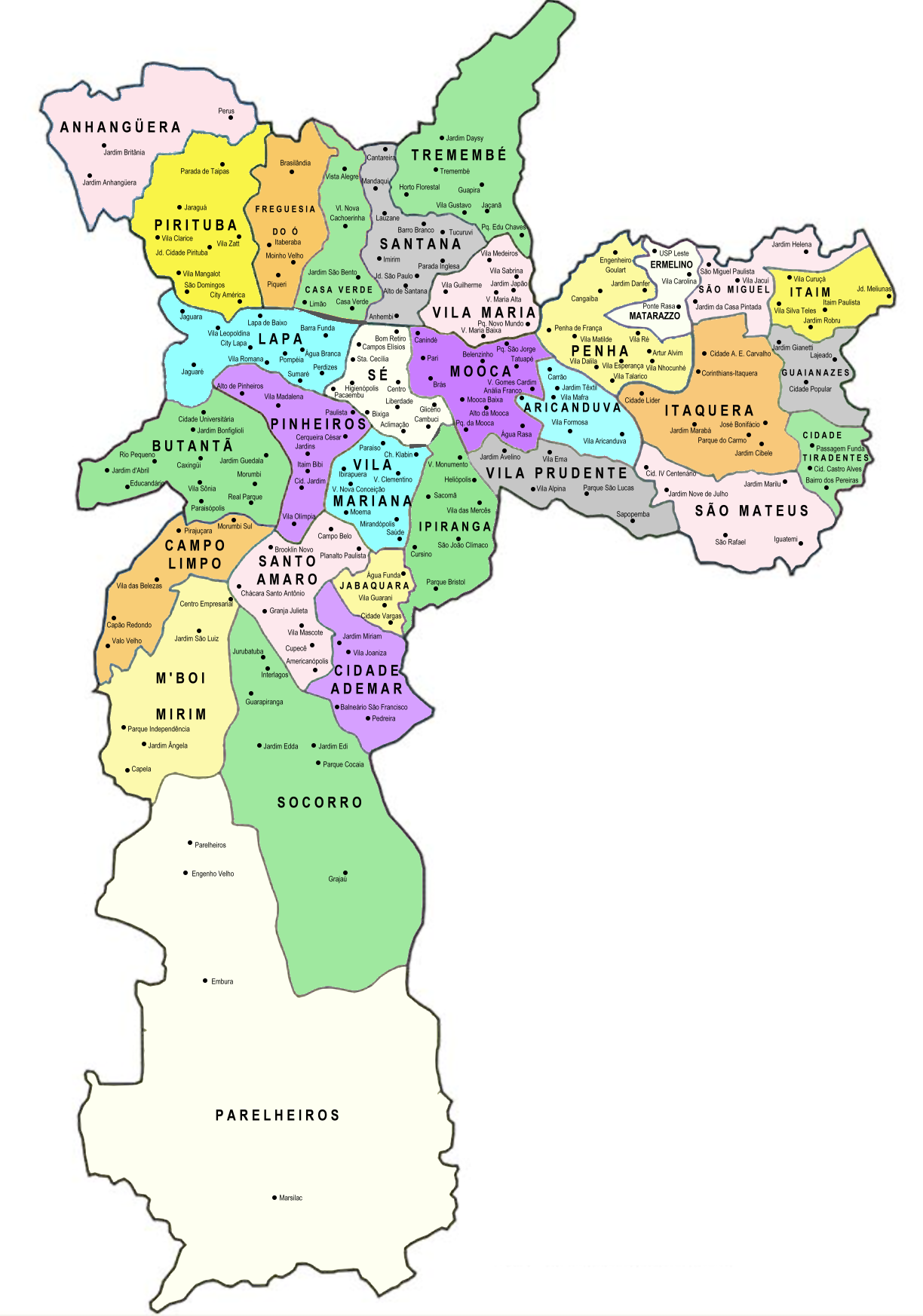


Geography and population
The municipal territory covers roughly 1,523 km², a mix of dense central districts, sprawling residential neighborhoods and industrial corridors. The city proper is home to more than eleven million residents, with a metropolitan area that forms one of the world’s most populous urban regions. These figures reflect its role as a national magnet for internal migration and international immigration.
History and development
Founded in the 16th century by Jesuit missionaries, São Paulo grew from a colonial settlement into an agricultural hinterland and later an industrial and financial powerhouse. Waves of European, Middle Eastern and Asian immigrants in the 19th and 20th centuries shaped its social fabric and helped drive rapid urbanization and economic diversification.
Economy and infrastructure
Today the city is Brazil’s leading financial and commercial center. Key sectors include finance, manufacturing, services, technology and creative industries. Major airports, extensive road and rail networks and an expanding metro system connect São Paulo domestically and internationally, supporting its role as an economic hub.
Culture and society
São Paulo is notable for cultural institutions, museums, concert halls and parks. Neighborhoods display a blend of cuisines and traditions introduced by immigrant communities; it hosts significant cultural events, contemporary art scenes and a vibrant nightlife. Its large Japanese-descended population is the biggest outside Japan, contributing to the city’s linguistic and culinary diversity.
Notable facts and distinctions
- Administrative capital of its state and an international business center.
- Often cited among the most populous cities worldwide; see population rankings for comparative lists.
- Combines historic neighborhoods with modern skyscraper-lined avenues and major public parks.
For travelers and researchers alike, São Paulo offers a study in contrasts: immense scale and local neighborhoods, global commerce and regional culture, making it a pivotal city in Brazil and beyond.
Questions and answers
Q: What is São Paulo?
A: São Paulo is the capital city of the state of São Paulo in Brazil.
Q: What does the name São Paulo mean?
A: São Paulo means Saint Paul in Portuguese.
Q: What is the area of São Paulo?
A: São Paulo has an area of 1,523 km².
Q: How many people live in São Paulo?
A: More than 11 million people live in São Paulo.
Q: Where does São Paulo rank in terms of population?
A: São Paulo is the 11th most populous city on Earth.
Q: What is special about São Paulo's size and population?
A: São Paulo is the biggest city in South America and the Southern Hemisphere and the second biggest city in the Western Hemisphere, after Mexico City.
Q: What country is São Paulo located in?
A: São Paulo is located in Brazil.
Related articles
Author
AlegsaOnline.com São Paulo: Brazil's largest metropolis Leandro Alegsa
URL: https://en.alegsaonline.com/art/87245
Sources
- ibge.gov.br : Censo 2010: população do Brasil é de 190.732.694 pessoas
- ibge.gov.br : ibge.gov.br/