
Catwalk: raised walkway used in fashion, theatre, ships, and industry
A catwalk is a raised, narrow walkway used to display clothing in fashion shows and for access in ships, theatres, and industrial settings. This article explains types, design, history, uses and differences from a runway.
The term catwalk denotes a raised, narrow platform or passage. In popular usage it most often refers to the platform used in fashion shows where models present garments, but the name is also applied to elevated service walkways in theatres, ships, factories and construction sites. A catwalk emphasizes elevation and visibility compared with level walkways.
Image gallery
10 Images


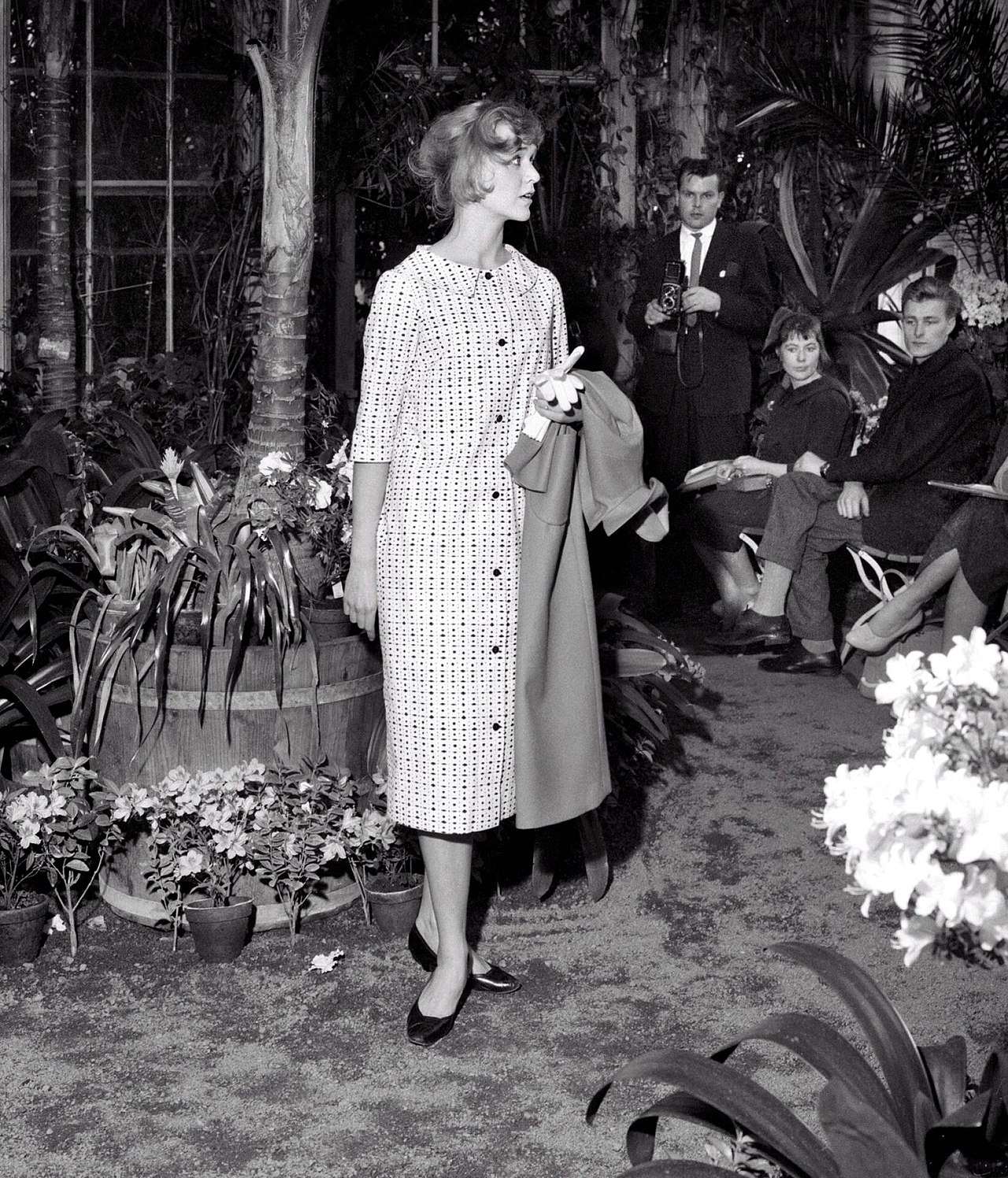

Design and characteristics
Catwalks vary from temporary stages built for a single show to permanent structures. Typical features include a long, narrow surface, staging or technical rigging beneath, specialized lighting and sometimes side rails for safety. Materials range from polished wood and laminate for runway fashion events to metal grating used in industrial settings.
Types and common uses
- Fashion catwalks: dedicated stages or runways for presenting collections.
- Theatrical catwalks: overhead access for lighting and sound in auditoria.
- Maritime catwalks: raised passageways on ships and oil platforms.
- Industrial catwalks: maintenance access in warehouses, factories, and plants.
Each type prioritizes different needs—visibility and aesthetics in fashion, access and safety in industry or on board ships. For a general definition see raised walkway.
History and development
Catwalks emerged from theatrical and exhibition traditions where elevated platforms helped audiences see displays. In fashion, the modern catwalk evolved through the 20th century as designers and show producers refined staging to highlight garments and movement. Over time technology—lighting, sound, camera positions—became integral to catwalk design.
Distinctions and notable facts
Although often used interchangeably with "runway," catwalk typically implies an elevated or narrow structure; runway can mean any path used for walking or takeoff/landing in aviation. Safety standards, temporary versus permanent construction and the intended audience (public spectacle vs. technical access) are useful ways to distinguish different catwalks.
Questions and answers
Q: What is a catwalk?
A: A catwalk is a raised walkway.
Q: Where is the term catwalk most often used?
A: The term catwalk is most often used for fashion shows, where models walk along showing off the clothes.
Q: What is a catwalk on a ship?
A: A catwalk on a ship is a passageway above decks.
Q: What is a similar term to catwalk?
A: A similar term is runway.
Q: Does a runway need to be off the ground?
A: No, a runway need not be off the ground.
Q: When would you use the term runway?
A: You would use the term runway to describe a surface for planes to take off and land on, regardless of whether it is on the ground or elevated.
Q: Can a catwalk also refer to a regular walkway?
A: Yes, a catwalk can also refer to any raised walkway, even if it is not specifically used for fashion shows or on a ship.
Related articles
Author
AlegsaOnline.com Catwalk: raised walkway used in fashion, theatre, ships, and industry Leandro Alegsa
URL: https://en.alegsaonline.com/art/17664