
Felt: a non‑woven textile — production, history, and uses
Felt is a dense, non‑woven textile formed by matting fibers. This article explains how felt is made, its historical role (especially for nomadic peoples), its properties, common uses, and how it differs from woven fabrics.
Overview
Felt is a non‑woven textile made by entangling threads or yarns into a compact sheet rather than by weaving or knitting. Traditionally produced from animal wool, felt can also incorporate other natural or synthetic fibers. The process binds the fibers into a continuous mat with no clear grain, producing a fabric that is dense, warm, and stable in shape.
Image gallery
10 Images




Methods and materials
There are two broad domestic and industrial approaches to making felt. Wet felting uses agitation, heat, water and often soap to make fibers latch together; the combination of moisture and friction causes scales on wool fibers to interlock. Needle felting compacts loose fiber by repeatedly poking the fibers with barbed needles, a dry technique useful for sculpting shapes and for repairs. Both handcraft and mechanized systems are common: small artisanal pieces may be shaped by hand while larger industrial panels are produced on machines. Felt can be finished to any shape or size, and can be dyed in many colors.
History and cultural role
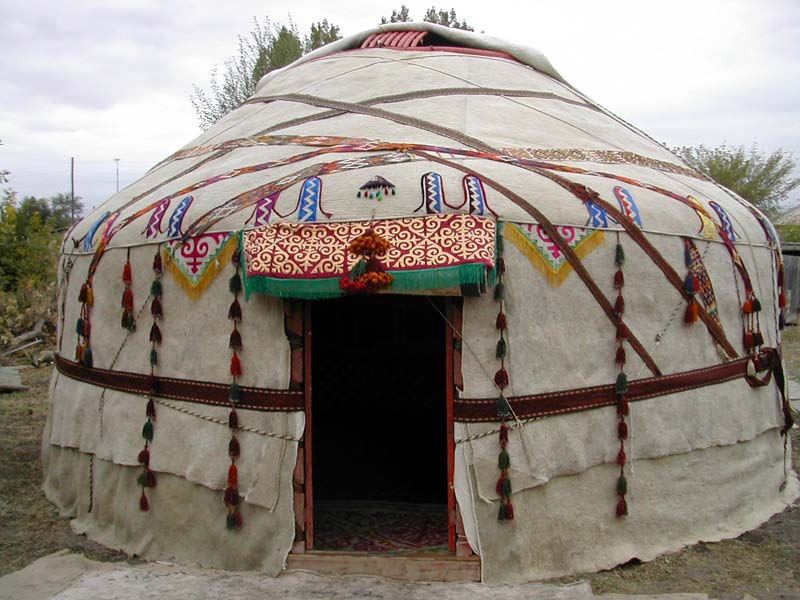
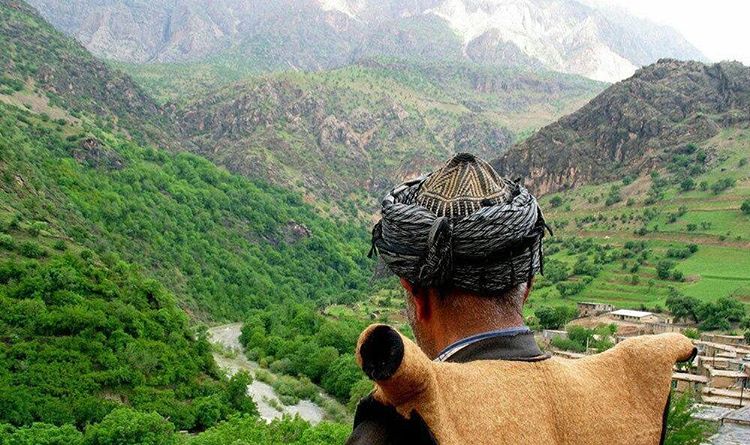
Felt is among the oldest known textile techniques, with roots in regions where sheep and other fiber animals were raised. It has been especially important for mobile societies: nomadic groups across many countries have used felt to cover circular dwellings and to make garments. Durable felt panels form the walls and roofs of traditional tents such as yurts and other portable shelters. Felt garments and coverings have long provided insulation and weather protection in cold climates.
Common uses and examples
Felt is versatile. Historically and today it is used to make clothing, hats, rugs and blankets. In craft and industry it appears in many forms:
- Fashion and millinery—classic felt hats remain popular and are produced both by hand and machine (hat‑making).
- Home goods—rugs, decorative panels and insulative layers.
- Technical applications—soundproofing, gaskets, padding, and filters; felt also serves for cushioning in furniture and packaging.
Properties and distinctions
Because felt is non‑woven it behaves differently from woven or knitted textiles: it does not fray at cut edges and can be made very dense for insulation and impact absorption. Wool felt is naturally flame‑resistant and insulating; synthetic felts may add durability or water resistance. Felt's lack of a weave makes it easy to mold into three‑dimensional forms, but it is less stretchable in predictable ways than knitted fabrics. Modern production blends traditional knowledge with industrial techniques to produce panels for construction, automotive, and acoustic uses.
Notable facts and contemporary practice
Felt continues to bridge craft and industry: artisan makers use wet and needle felting for artistic objects, while manufacturers adapt similar principles for engineered materials. Its long history, adaptability, and useful physical qualities keep felt relevant for clothing, shelter, design, and technical applications in both rural and urban contexts.
For more practical guides on techniques and resources, see introductory material on wet felting, needle felting, and industrial felt production via these links: textile overview, thread structure, yarn types, wool basics, fiber varieties, water use, poking technique, needle tools, machine felting, shaping options, sizing methods, clothing applications, geographic traditions, tent construction, millinery, and padding uses.
Questions and answers
Q: What is felt?
A: Felt is a type of cloth or textile that is made of a complex network of threads or yarns.
Q: How is felt made?
A: Felt can be made by matting wool fibers together with water and soap, or by poking the fibers with barbed needles.
Q: How long have people been making felt?
A: People have been making felt longer than any other kind of fabric.
Q: What can felt be made into?
A: Felt can be made into any shape or size and can be of any color. It is used to make many things like clothing, hats, and rugs.
Q: What are some uses of felt?
A: Felt is used for many different things, including hat-making, insulating (making warm), sound-proofing, and cushioning.
Q: Who uses felt in their tents?
A: Nomadic people in many countries live in tents made of felt.
Q: Can felt be made by hand or by machine?
A: Yes, felt can be made by hand or by machine.
Related articles
Author
AlegsaOnline.com Felt: a non‑woven textile — production, history, and uses Leandro Alegsa
URL: https://en.alegsaonline.com/art/33948