
Falstaff (Verdi opera)
Falstaff is Giuseppe Verdi's final opera, a three-act Italian comic work with a libretto by Arrigo Boito, premiered in Milan in 1893 and celebrated for its ensemble writing and wit.
Overview
Italian opera in three acts, Falstaff was composed by Giuseppe Verdi to a libretto by Arrigo Boito. The drama draws chiefly on William Shakespeare's The Merry Wives of Windsor, with references to his Henry IV plays. It premiered in Milan on February 9, 1893. Written when Verdi was in his late seventies, Falstaff stands as his last completed stage work and one of his few full-length comedies.
Image gallery
10 Images


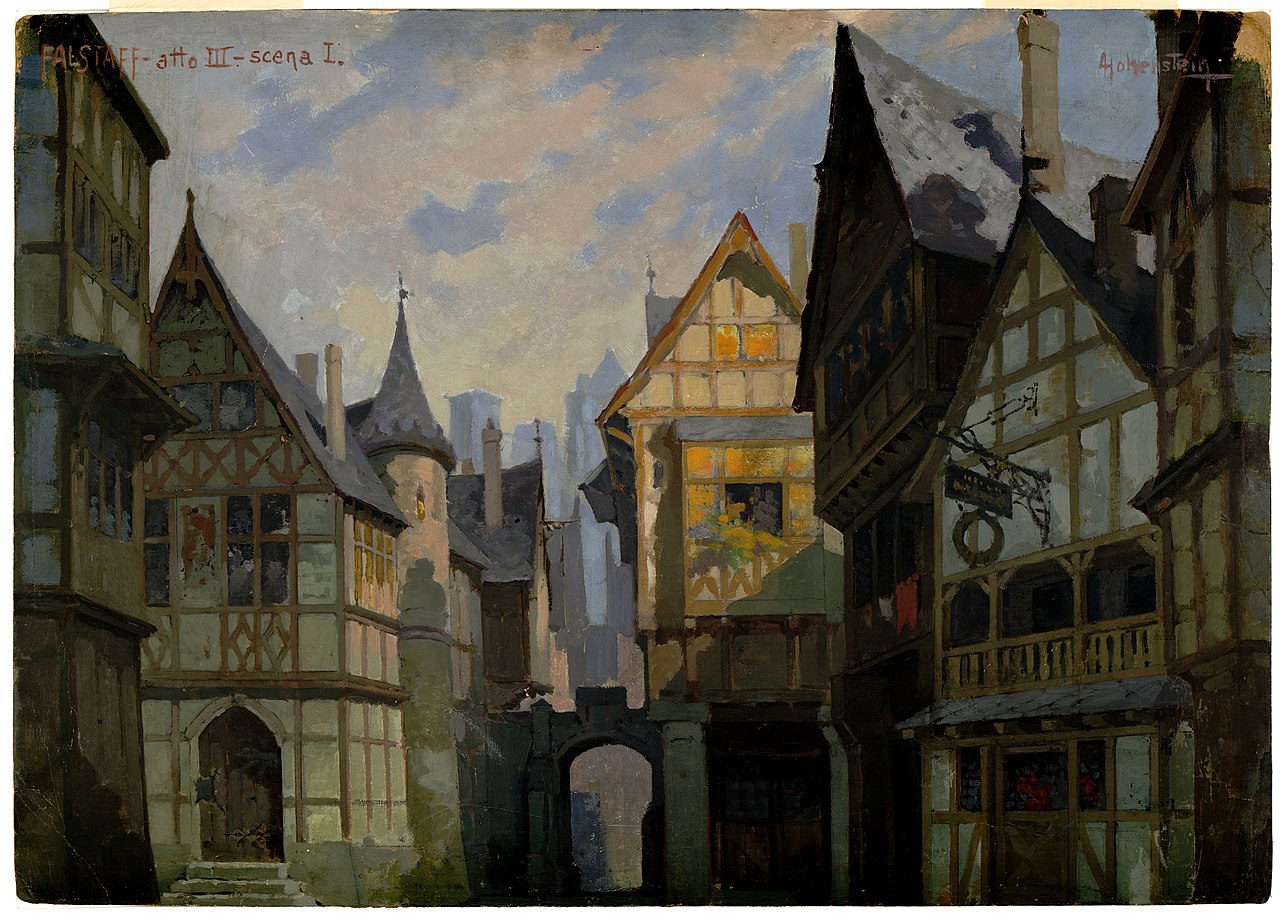



Musical and dramatic characteristics
Falstaff departs from the number-opera model and favors continuous musical flow: scenes move seamlessly between recitative, ensembles and orchestral passages. Verdi and Boito emphasize rapid ensemble exchanges, witty patter, orchestral color and tight counterpoint to portray fast comic reversals. The score is admired for its economy, elegant vocal lines and sophisticated harmonic shading rather than show-piece arias.
Principal characters and structure
- Sir John Falstaff — the boastful, rotund protagonist
- Ford — a jealous gentleman
- Alice Ford and Mistress Page — the women who trick Falstaff
- Fenton, Nannetta, and comic foils such as Bardolfo and Pistola
The opera unfolds in three acts with a final epilogue in which characters confront and forgive Falstaff; the dramatic arc relies on comic plotting, disguise, and swift ensemble resolutions.
History and creation
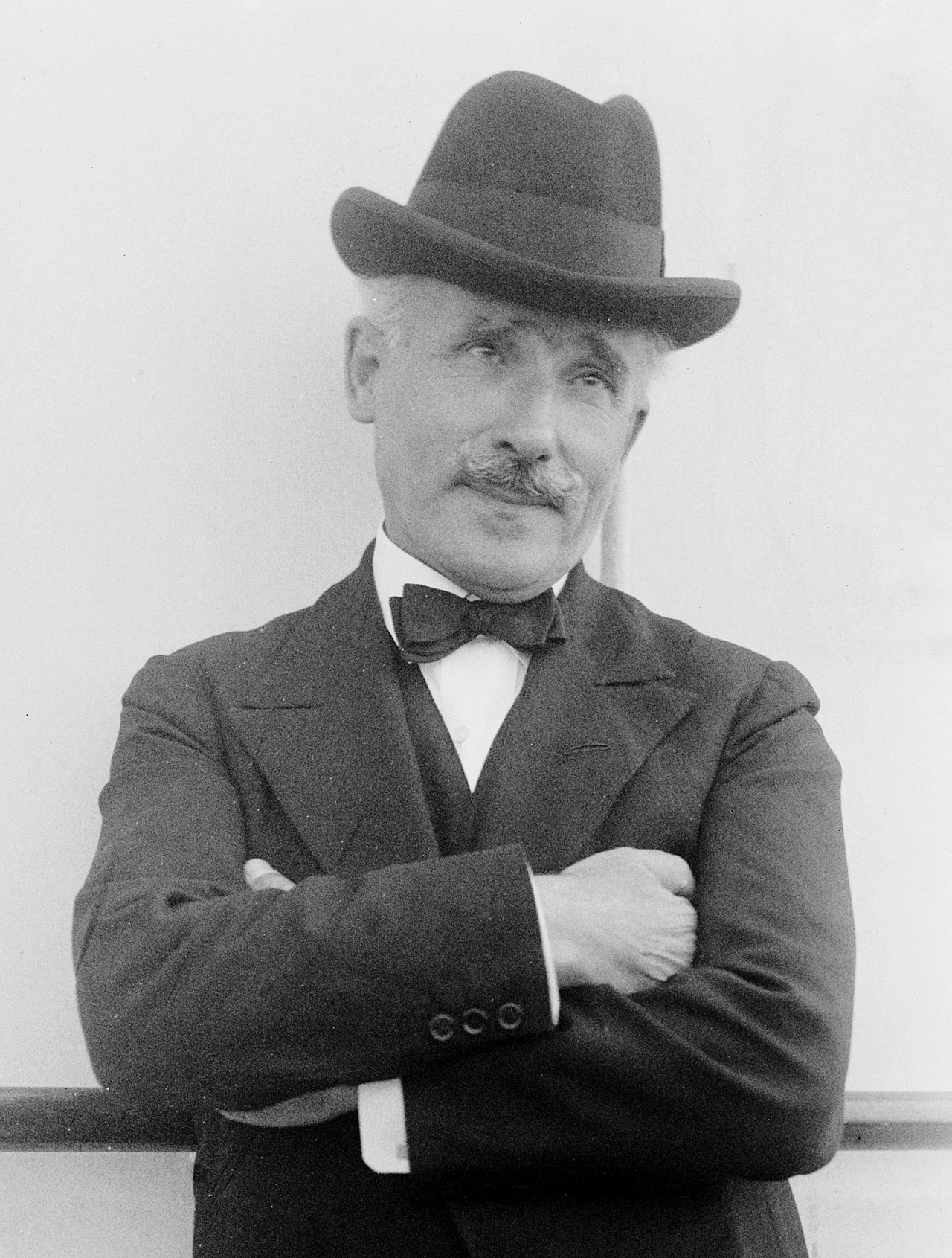
Verdi and Boito had collaborated on earlier projects; after the success of Otello, Verdi returned to comedy with Falstaff. Boito condensed and adapted Shakespeare's raw material into an Italian libretto that preserves the play's humor while reshaping scenes to suit operatic pacing. The premiere, conducted by the young Arturo Toscanini, met with acclaim and established the work as a late-career triumph.
Importance and performance
Falstaff is widely regarded as a masterpiece of comic opera and late-Romantic craft. It is frequently cited for its advanced dramatic integration, refined vocal ensembles and the way it balances humor with human warmth. The role of Falstaff has become a prized part for mature baritones, and the opera remains a staple in the repertory of major opera houses and festivals worldwide.
Notable facts and distinctions
- It was Verdi's penultimate public creative statement — his final completed opera for the stage.
- Falstaff is one of the composer's only full-length comic operas, the other being an early work from 1840.
- The piece is celebrated for its ensemble complexity rather than for isolated arias, making its success dependent on tight ensemble singing and dramatic timing.
For further reading on the score, staging history and performance practice, consult dedicated opera guides and biographies of Verdi and Boito; recommended starting points often include comprehensive studies and annotated libretti that illuminate how the Shakespearean source was transformed for the operatic stage. Giuseppe Verdi, Arrigo Boito, and the Shakespearean originals remain key reference points for anyone exploring this enduring work.
Questions and answers
Q: Who composed Falstaff?
A: Falstaff was composed by Giuseppe Verdi.
Q: What is the genre of Falstaff?
A: Falstaff is an Italian opera.
Q: How many acts does Falstaff have?
A: Falstaff has three acts.
Q: Who wrote the libretto of Falstaff?
A: The libretto of Falstaff was written by Arrigo Boito.
Q: What is the source material of the libretto for Falstaff?
A: The libretto for Falstaff is based on William Shakespeare's The Merry Wives of Windsor.
Q: When was Falstaff first performed?
A: Falstaff was first performed on February 9, 1893 in Milan.
Q: What is notable about Falstaff in terms of Verdi's work?
A: Falstaff is Verdi's last opera and perhaps his greatest masterpiece. It is also only his second comedy since his earlier attempt Un giorno di regno in 1840.
Related articles
Author
AlegsaOnline.com Falstaff (Verdi opera) Leandro Alegsa
URL: https://en.alegsaonline.com/art/33417