
Foreshadowing (literary device)
Foreshadowing is a narrative technique where an author signals or hints at future events, using clues, motifs, or dialogue to shape expectations and deepen meaning without revealing outcomes outright.
Overview
Foreshadowing is a storytelling device in which an author deliberately introduces hints or clues about events that will occur later in a work. It helps prepare readers or viewers for future developments, builds anticipation, establishes tone, and can make outcomes feel earned rather than arbitrary. Foreshadowing ranges from subtle symbolic touches to explicit prophecies.
Image gallery
3 Images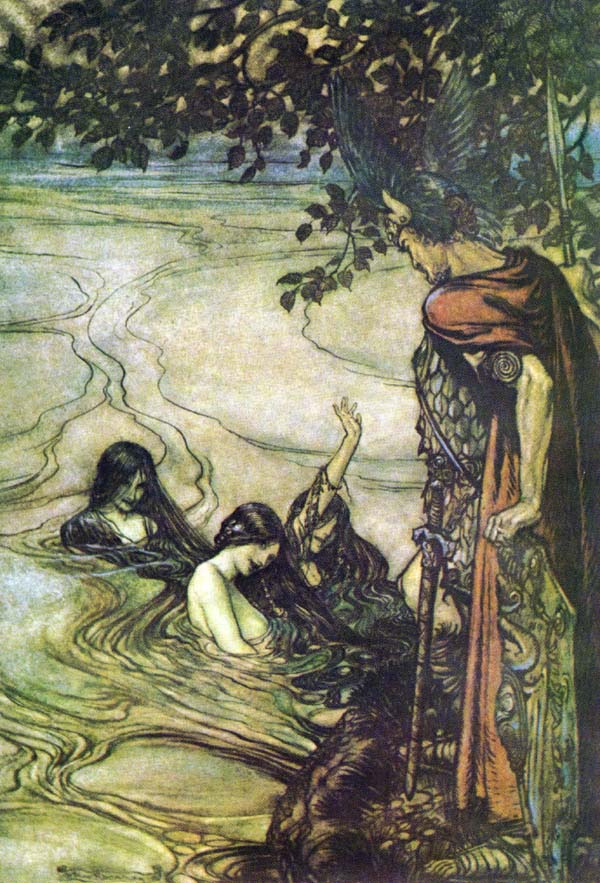


Common forms and techniques
Writers and filmmakers use several recognizable methods to foreshadow. These include:
- Symbolic elements or motifs that recur and gain meaning over time.
- Dialogue that contains double meanings or veiled references to future events.
- Objects introduced early (the principle reflected in Chekhov’s gun), whose later use is anticipated.
- Atmospheric details, such as weather or setting, that suggest mood and possible consequences.
- Prophecy or explicit prediction, often used in myths and tragedies.
Foreshadowing can be direct or hidden; the best examples balance clarity and surprise so that the audience recognizes the connection on reflection.
History and examples
The practice goes back to oral storytelling and ancient drama, where oracles and omens signaled fate. Classical tragedies and later playwrights like Shakespeare frequently used foreshadowed lines and images to bind scenes together. In modern fiction and film, mystery and thriller genres rely heavily on foreshadowing to create satisfying resolutions. Well-known examples appear across media, from classical plays to contemporary cinema.
Purpose, effects and distinctions
Foreshadowing guides expectations, deepens thematic coherence, and can heighten tension. It differs from spoilers (which reveal outcomes prematurely) and from red herrings (which mislead). Used poorly, foreshadowing can become predictable or heavy-handed; used well, it rewards attentive readers and enriches re-reading.
For broader discussion of related techniques see Literary devices overview and practical advice for writers at a writing craft guide.
Related articles
Author
AlegsaOnline.com Foreshadowing (literary device) Leandro Alegsa
URL: https://en.alegsaonline.com/art/35627
Sources
- udleditions.cast.org : Author's Craft - "Narrative Elements - Foreshadowing"
- books.google.com : Philip Allan Literature Guide (for A-Level): A Streetcar Named Desire