
“First they came...” — the poem by Martin Niemöller
Short essay on the origin, versions, and significance of the poem “First they came...”, its author Martin Niemöller, and how the piece is used today to warn against political indifference.
First they came... is a short, widely cited poem attributed to German Lutheran pastor Martin Niemöller. Composed in the years after World War II, it functions as a moral reflection and a denunciation of passivity in the face of persecution. The lines are typically delivered as a progression of groups singled out by a repressive regime, ending with the speaker’s own fate and a warning about the consequences of silence.
Image gallery
4 Images

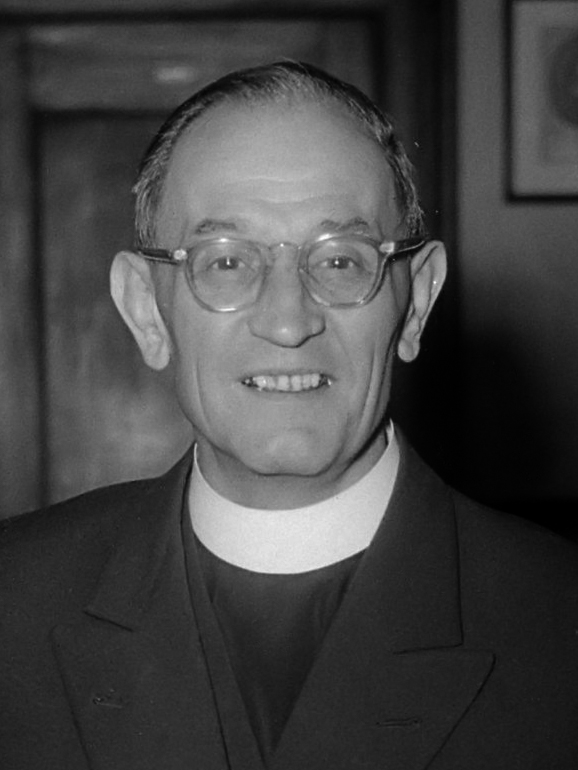

Form and message
The poem uses a simple, cumulative structure: each stanza notes a group targeted by political repression and the speaker’s failure to intervene because he did not belong to that group. The closing line — often translated into English in slightly different ways — underscores the ethical lesson that indifference to others’ suffering can leave anyone vulnerable. Its rhetorical power lies in the plainness of expression and the moral reversal at the end.
Historical background
Niemöller was originally a conservative nationalist who later opposed the Nazi regime, for which he was arrested and imprisoned in concentration camps. His wartime experience and postwar reflections shaped the poem, which is commonly read as a critique of how people in Nazi Germany failed to resist persecution and complicity by the Nazi Party. Scholars note that multiple translations and versions circulate; some name specific groups (socialists, communists, trade unionists, Jews, clergy), while others use broader categories.
Uses and legacy
The poem is frequently invoked in Holocaust remembrance, civic education, and human-rights discourse as a compact lesson about responsibility. It appears in ceremonies, textbooks, and speeches and is cited by activists to encourage bystander intervention. At the same time, commentators warn against oversimplifying history when the poem is used to shift blame or elide complex forms of resistance and complicity.
Variants and notable facts
- There is no single authoritative English text; multiple translations exist and Niemöller himself gave different wordings on occasions.
- The poem has been adapted, abbreviated, and referenced across cultures as a cautionary parable about political apathy.
- For further reading on Niemöller’s life and the poem’s context see resources linked here: analysis and criticism.
Because the piece functions as both a historical testimony and a moral parable, readers are encouraged to consider it alongside documented histories of resistance and persecution rather than as a sole account of events.
Related articles
Author
AlegsaOnline.com “First they came...” — the poem by Martin Niemöller Leandro Alegsa
URL: https://en.alegsaonline.com/art/34596
Sources
- hoboes.com : hoboes.com/FireBlade/Politics/niemoller/