
Ralph Vaughan Williams
Ralph Vaughan Williams (1872–1958) was a leading English composer whose folk-influenced, modal and choral works — including The Lark Ascending and Fantasia on a Theme by Thomas Tallis — shaped British musical life.
Overview
Ralph Vaughan Williams was one of the most influential English composers of the first half of the 20th century. Born in Down Ampney, Gloucestershire on 12 October 1872 and dying in London on 26 August 1958, he combined interest in native song, church music and large-scale orchestral writing to help define a distinctly British musical voice. Critics and audiences have often grouped him among the foremost figures of his generation, and his works remain in regular concert and recording repertory.
Image gallery
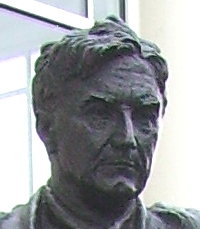
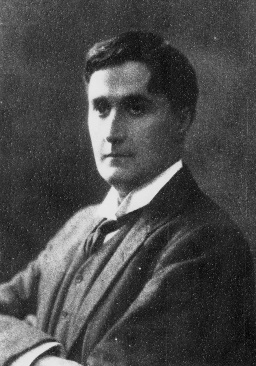
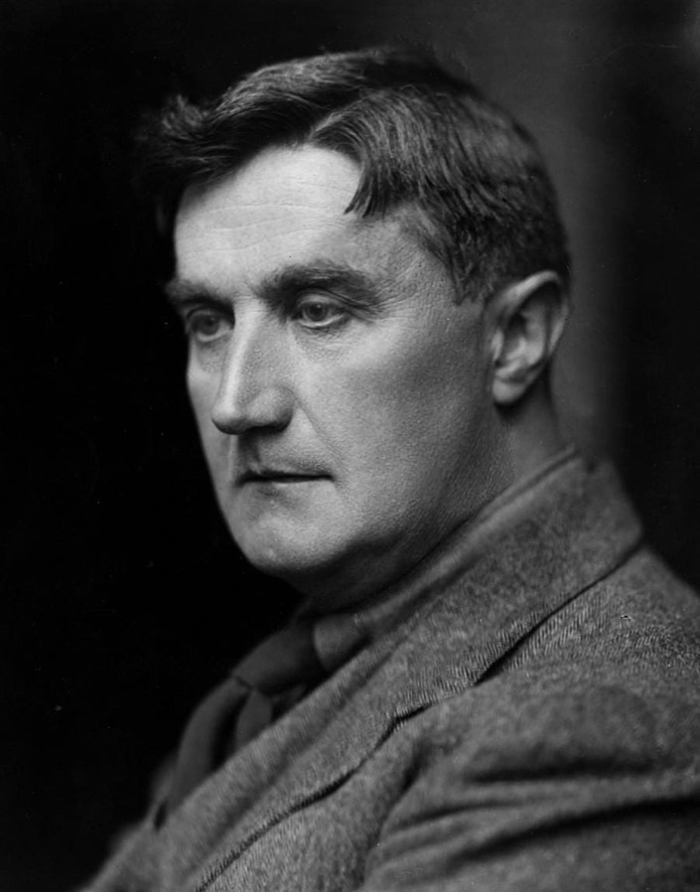
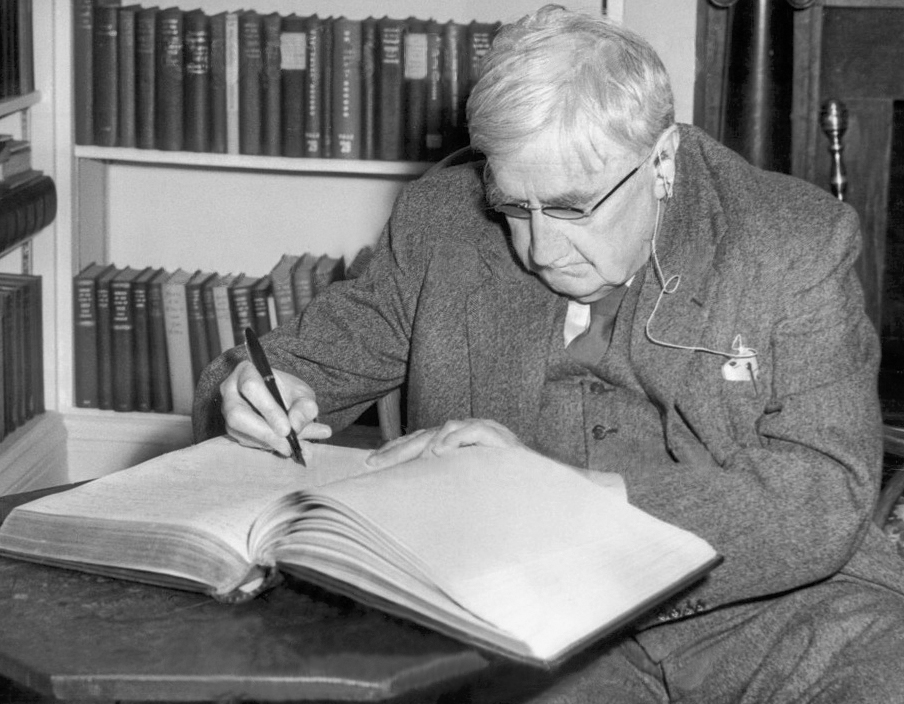
10 Images




Early life and education
Vaughan Williams came from a country clerical family; his father was a parish priest and the family moved to Dorking after his father's death. While at Charterhouse School he played the viola in the school orchestra, showing early musical promise. He studied at the University of Cambridge and then at the Royal College of Music, where he was taught by established figures including Hubert Parry. He preferred the pronunciation "Rafe" for his first name, a personal detail often noted in biographies.
Folk collecting, hymnody and style
Vaughan Williams took an active interest in English folk songs and hymn tunes, collecting and arranging traditional material that he felt expressed a national character. He contributed to the revision of the English Hymnal and drew on modal scales, Tudor polyphony and rural song in his harmonic and melodic language. His style is often described as pastoral and tuneful, tending toward modal sonorities and broad orchestral colours rather than the intense chromaticism associated with some Continental schools.
Major works
Some of his best-known pieces include The Lark Ascending, a lyrical and evocative work for violin and orchestra; the Fantasia on a Theme by Thomas Tallis, a celebrated string composition inspired by Renaissance music; and A Sea Symphony, an early choral-symphonic statement. He wrote nine numbered symphonies, choral works, operas and many songs and chamber pieces. Other familiar items include Fantasia on Greensleeves, Serenade to Music and the stage work The Pilgrim's Progress. His music has been used in films, public ceremonies and recordings and continues to be frequently performed.
Later life and legacy
Vaughan Williams's career spanned the late Victorian era into the modern mid-20th century. He experienced the social changes of two world wars, and his music was sometimes shaped by that experience. He taught, edited hymn collections and championed English musical traditions, exerting considerable influence on younger British composers. His works remain central to British musical identity and are widely recorded and performed internationally.
Selected facts
- Pronunciation: he preferred "Rafe" for Ralph.
- Birth and death: born in Down Ampney and died in London.
- Education: Charterhouse, Cambridge and the Royal College of Music.
- Early instrument: played the viola in the school orchestra at Charterhouse.
- Teachers and influences: Hubert Parry and the English folk tradition.
- Reputation: regarded as a leading English composer of his generation.
Questions and answers
Q: Who is Ralph Vaughan Williams?
A: Ralph Vaughan Williams (1872-1958) was an important English composer.
Q: How did Vaughan Williams pronounce his first name?
A: Vaughan Williams always pronounced his first name “Rafe.”
Q: What was Ralph Vaughan Williams’ father’s profession?
A: Ralph Vaughan Williams’ father was a rector.
Q: Where did Ralph Vaughan Williams’ family move after his father’s death?
A: Ralph Vaughan Williams’ family moved to Dorking, near London, after his father’s death.
Q: What instrument did Ralph Vaughan Williams play in the school orchestra at Charterhouse School?
A: Ralph Vaughan Williams played the viola in the school orchestra at Charterhouse School.
Q: Who was Ralph Vaughan Williams’ teacher at the Royal College of Music?
A: Ralph Vaughan Williams’ teacher at the Royal College of Music was Hubert Parry.
Q: Where did Ralph Vaughan Williams study?
A: Ralph Vaughan Williams studied at the University of Cambridge and the Royal College of Music.
Author
AlegsaOnline.com Ralph Vaughan Williams Leandro Alegsa
URL: https://en.alegsaonline.com/art/129219