
Eye makeup: products, techniques, history and cultural roles
Overview of eye makeup — common products and application, historical and cultural context, uses in fashion and performance, safety considerations, and notable modern trends and variations.
Overview
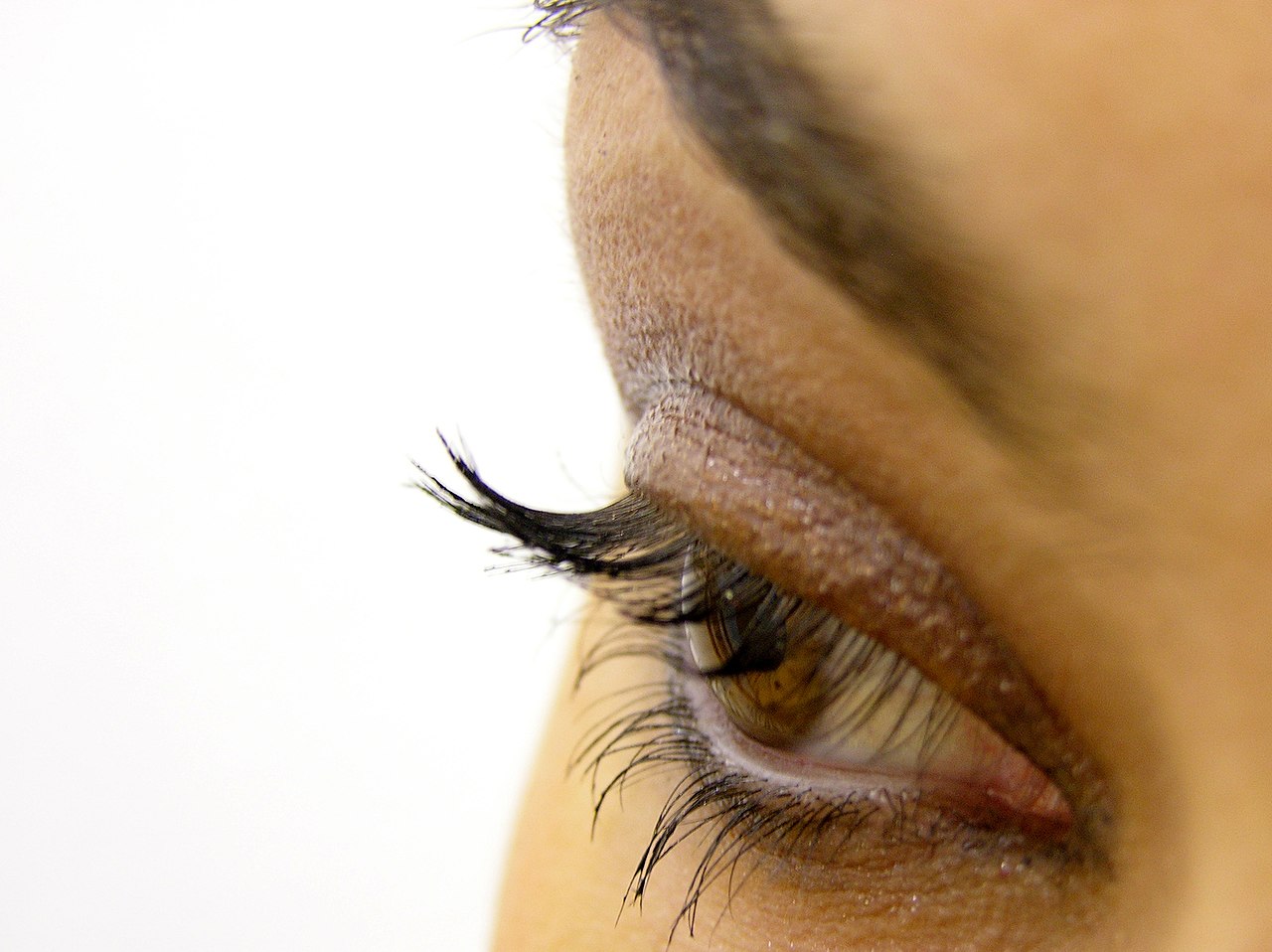
Eye makeup is the branch of cosmetics focused on altering or enhancing the appearance of the eyes and the area around them. Historically used to emphasize eye shape, color, and expression, it serves practical, aesthetic and symbolic roles in everyday grooming, stage performance and fashion. Common goals include making the eyes look larger, more defined, or more colorful. As a category of cosmetic practice it ranges from subtle daytime looks to dramatic theatrical styles. It can be combined with auxiliary items such as colored contact lenses or decorative appliqués.
Image gallery
10 Images




Typical products and parts
Eye makeup comprises several product types, each with a separate function. Typical items include:
- Eyeshadow — powders, creams or pencils used to add color and contour to the eyelid and crease.
- Eyeliner — liquid, gel or pencil formulas that define the lash line.
- Mascara — a product applied to natural lashes to darken, lengthen or thicken them.
- False eyelashes and extensions — synthetic or natural-hair lashes attached to the lid or glued to natural lashes for extra volume (false eyelashes).
- Brow products — pencils, powders and gels used to shape and fill eyebrows.
- Adhesives, primers and removers — supporting products that improve wear time and facilitate safe removal.
Application methods and examples
Application can be simple or elaborate. A basic daytime routine typically uses concealer, a neutral eyeshadow, thin eyeliner and one coat of mascara. More advanced techniques include contouring the crease, cut-crease looks, smoky eyes and graphic liner. Stage and photographic makeup often exaggerate features for visibility under lights; performers and makeup artists commonly adapt color intensity and contrast accordingly. Decorative choices such as glitter, sequins and stick-on jewels extend creative possibilities but can increase irritation risk.
History and cultural significance
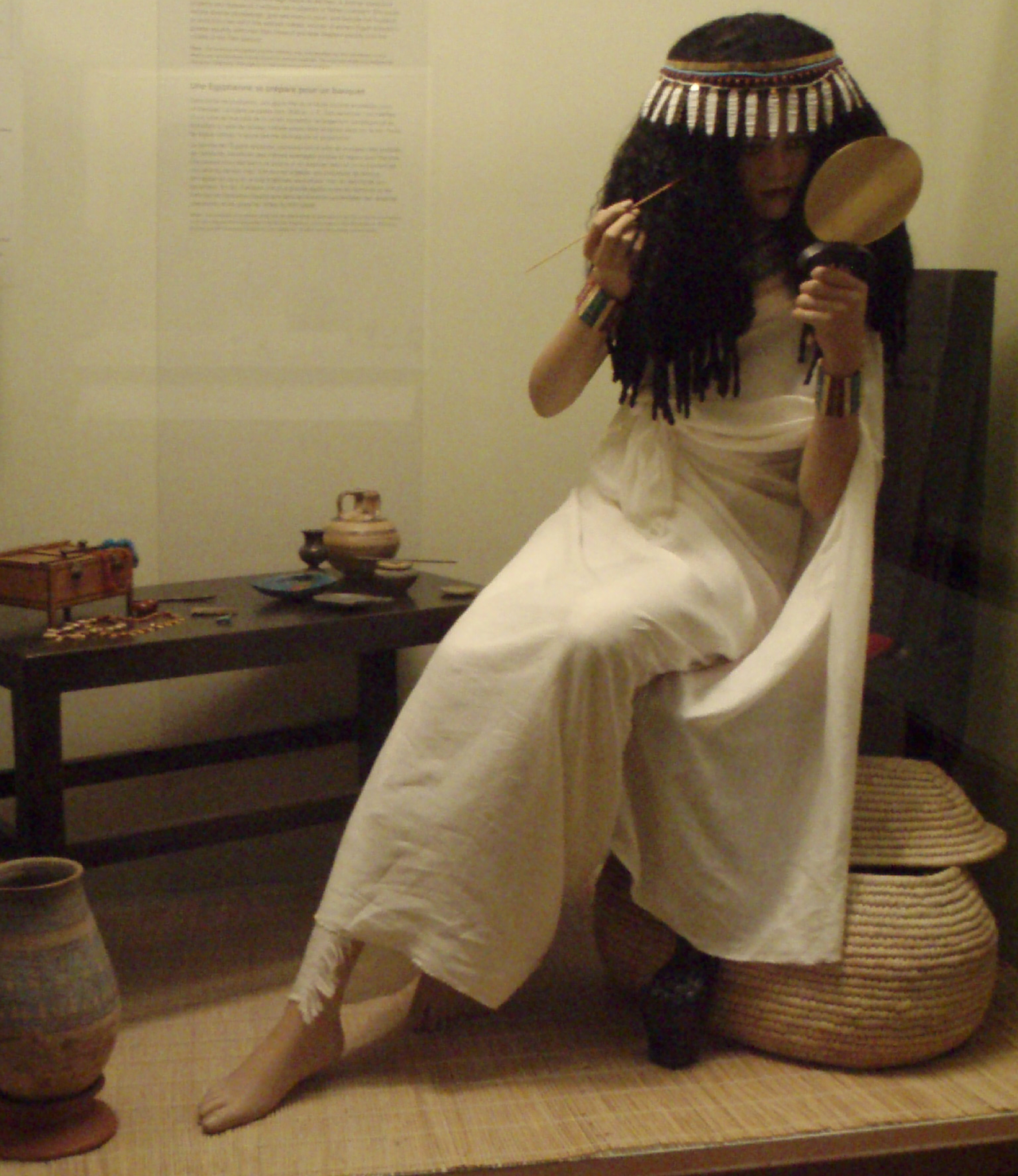
Practices to darken and color the area around the eyes have appeared in many cultures across millennia. Ancient civilizations used mineral and plant pigments for ritual, cosmetic and protective purposes. In modern times, eye makeup has been shaped by fashion movements, cinema and advertising; trends cycle between minimal, natural looks and bold, statement styles. Although most commonly associated with women, eye makeup is also used by men in many contexts such as performance, subcultures and contemporary beauty advertising. Stage and film performers continue to use heavier application so expressions read at a distance (stage performers).
Uses, trends and notable variations
Beyond beautification, eye makeup serves practical functions: correcting asymmetry, disguising redness, or making small eyes appear larger. Recent trends include skin-friendly formulations, waterproof products, magnetic and reusable lash systems, and an interest in both hyper-natural and highly graphic, artistic looks. Contact lenses that change or enhance apparent eye color are often paired with makeup to create a coordinated effect (contact lenses).
Safety and distinctions
Because products are applied close to the eye, safety and hygiene are important. Shared cosmetics can transmit infections; expired formulas or contaminated brushes increase risk. Glitter and coarse particles can scratch the cornea, and some pigments or adhesives cause allergic reactions. Consumers are advised to follow product instructions, replace mascara regularly, clean tools, and consult eye-care professionals if irritation occurs. Professional application and removal of extensions or glued lashes reduce complications. In fashion contexts makeup is often paired with overall styling and industry practices (fashion), while in everyday use it remains a personal grooming choice for many people seeking to highlight their eyes.
For further reading and how-to guides, many resources and tutorials are available online and from trained cosmeticians; product pages and safety advisories provide manufacturer details and ingredient lists (cosmetic resources, eye-care links, and professional makeup associations). When exploring dramatic looks such as heavy glitter or lash extensions, consult a qualified technician and consider patch testing new adhesives or pigments.
Additional applied options include adhesives and decorative enhancements, and the expanding field of cosmetic technology continues to introduce new application tools and formulations for varied effects and wearer needs (false eyelashes, stage performers, contact lenses, fashion, people, cosmetic guides, eye health).
Questions and answers
Q: What is eye makeup?
A: Eye makeup is a type of cosmetics which aims to make the eyes look noticeable and attractive.
Q: Who typically uses eye makeup?
A: Eye makeup is mostly used by females, and by stage performers of all types.
Q: How important is eye makeup in the fashion and cosmetic industries?
A: Eye makeup is an important part of the fashion and cosmetic industries.
Q: Are there ways to alter the colour of the eyes with eye makeup?
A: Yes, the colour of the eyes can be altered by using contact lenses.
Q: Can glitter or other appliqués be added near the eyes with eye makeup?
A: Yes, glitter and other appliqués can be stuck on near the eye.
Q: Are fake eyelashes or eyelash extensions possible with eye makeup?
A: Yes, fake eyelashes or eyelash extensions are possible with eye makeup.
Related articles
Author
AlegsaOnline.com Eye makeup: products, techniques, history and cultural roles Leandro Alegsa
URL: https://en.alegsaonline.com/art/33065
Sources
- smith.edu : "Smith College Museum of Ancient Inventions: Cosmetics and Perfumes"
- courses.dsu.edu : courses.dsu.edu
- clpgh.org : clpgh.org
- powerup.com.au : Egyptian Cosmetic Items