
Fashion Accessory: Definition, Types, History, and Practical Uses
Overview of fashion accessories: what they are, common types, practical and cultural roles, historical development, styling uses, and notable distinctions including status signals and sustainability.
A fashion accessory is an item worn or carried to complement, enhance or adapt an outfit. Accessories range from purely decorative pieces to objects with clear practical use. By accenting color, texture or proportion they help define a look, communicate personal identity, or signal membership in a group. An accessory often modifies an outfit without being a primary garment, and may be made of metal, leather, fabric, plastic or mixed materials.

Image gallery
9 Images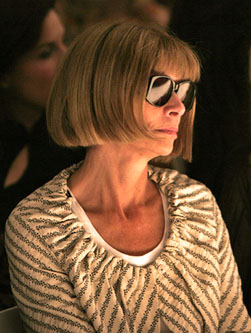



Common types and typical examples
Accessories appear in many forms. Some are traditionally ornamental, others serve practical functions, and several combine both roles:
- Jewellery such as necklaces, bracelets and earrings for adornment.
- Gloves and handbags for protection and storage.
- Hats, belts, and scarves that alter proportion and warmth.
- Watches and sunglasses that offer function and style.
- Small fasteners and details like pins, ties, suspenders, tights and stockings.
- Modern electronic accessories such as laptops and mobile phones that are also styled and carried as part of a look.
Accessories can be small and subtle or bold and focal. Designers and consumers use them to shift a garment toward formal, casual, sporty, bohemian or other style directions.
History and development
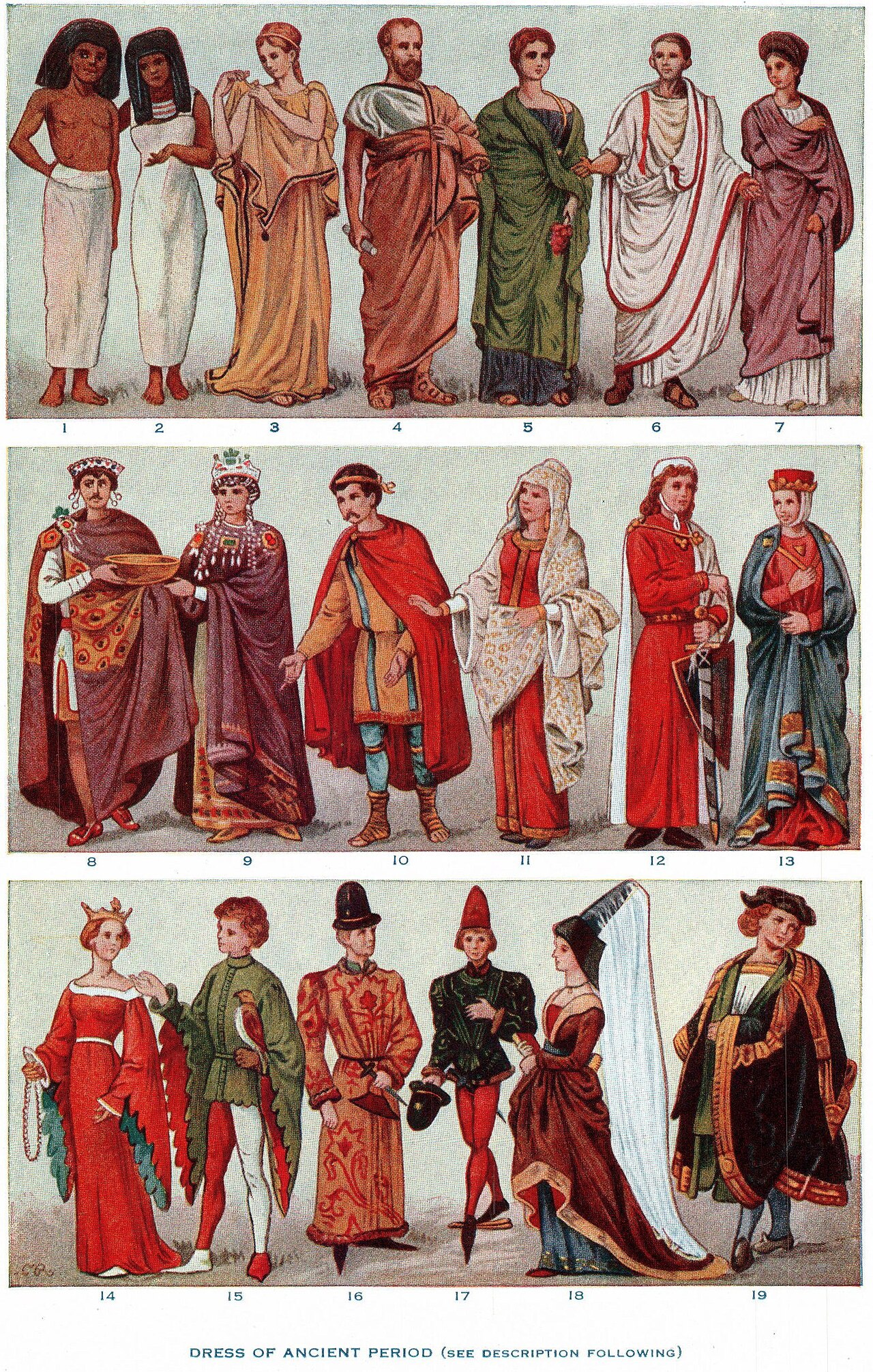
The role of accessories has evolved for centuries. Practical items — pouches, hats and belts — became decorative as societies gained access to new materials and trade routes. In the modern era, the rise of fashion houses and branding turned certain pieces into status symbols. Designer goods and visible labels have been read as markers of social status by wearers and observers alike. High-profile figures in fashion, such as Anna Wintour, the editor associated with Vogue, are often recognized by signature accessories like a bob hairstyle combined with trademark sunglasses.
When trends shift, accessories frequently lead because they are less costly to change than major garments. Masks and embellished face coverings, for example, have appeared as decorative statements in recent seasons and can be seen as both protective and ornamental — a concept illustrated by ornate pieces such as the jeweled mask.

Cultural, religious and identity uses
Accessories often carry symbolic meaning. Some items signal faith or heritage: a Star of David, Islamic headscarves, or traditional skullcaps and turbans. Body modifications and piercings, such as an eyebrow piercing, can function as personal or subcultural markers. Accessories can also affirm professional roles, community membership, or rites of passage.
Practical examples include carrying essentials in a handbag, shielding eyes with sunglasses, or fastening clothing with a belt. Technology is increasingly styled as accessory; devices like a laptop or mobile phone are chosen for both capability and appearance.
Distinctions, sustainability and care
Notable distinctions among accessories include luxury versus mass-market production, handcrafted versus machine-made, and vintage versus contemporary. Concerns about sustainability and ethical sourcing have affected how consumers value materials, craftsmanship and brand transparency. Caring for accessories — cleaning metals, conditioning leather, and storing delicate items properly — extends their life and preserves style value.

Selecting accessories is a practical exercise in communication: they can subtly refine an outfit or overtly announce taste, politics, or affiliation. When choosing pieces, consider scale, color harmony, occasion and durability. Whether minimal or statement-making, accessories play a central role in how clothing is perceived and experienced.

For visual examples and further reading, see curated image and editorial sources linked throughout this article.
Questions and answers
Q: What is a fashion accessory?
A: A fashion accessory is an item that supplements one's outfit, such as jewellery, gloves, handbags, hats, belts, scarves, watches, sunglasses, pins, stockings, bow ties and tights.
Q: What are the practical functions of accessories?
A: Accessories may have practical functions such as handbags for carrying small necessary items; hats to protect the face from weather; laptops and mobile phones for communication; and gloves to keep the hands warm.
Q: How can accessories show religious or cultural affiliation?
A: Accessories can be used to show religious or cultural affiliation such as crucifixes for Christianity; Star of David for Judaism; Islamic headscarves; skullcaps and turbans for Islam.
Q: What does wearing designer labels on accessories indicate?
A: Wearing designer labels on accessories is often perceived as an indicator of social status.
Q: What types of jewellery are available in the form of accessories?
A: Jewellery available in the form of accessories includes bracelets, necklaces and earrings.
Q: Who is Anna Wintour?
A: Anna Wintour is the editor of Vogue magazine who has a classic bob hairstyle and trademark sunglasses.
Q: Can you give examples of some unusual fashion accessories? A: Examples of some unusual fashion accessories include eyebrow piercing and jewelled masks.
Related articles
Author
AlegsaOnline.com Fashion Accessory: Definition, Types, History, and Practical Uses Leandro Alegsa
URL: https://en.alegsaonline.com/art/33592