
Fashion design: craft, industry, and cultural practice
An accessible overview of fashion design — its aims, components, history, materials and workplaces, plus distinctions such as couture, ready-to-wear and costume practice.
What is fashion design?
Fashion design is the creative and technical process of imagining, planning and producing garments and related items. It covers a spectrum from one‑off creations to mass‑produced clothing, and extends beyond clothing to include accessories and stage costume, hats, bags and shoes. Designers balance aesthetics, function and the realities of production while addressing who will wear an item and the situations in which it will be used.
Image gallery
10 Images




Core elements and methods
At its core, fashion design blends several strands of knowledge and skill. These commonly include:
- Concept and sketching: developing an idea and translating it into drawings or digital renderings.
- Material selection: choosing fabrics, trims and hardware that achieve the intended look, fit and durability.
- Patternmaking and draping: creating the templates and mockups that turn two‑dimensional plans into three‑dimensional garments.
- Construction and finishing: sewing, cutting and final detailing that determine quality and wearability.
- Color, print and texture: selecting palettes and surface treatments to communicate style and seasonality.
History and development
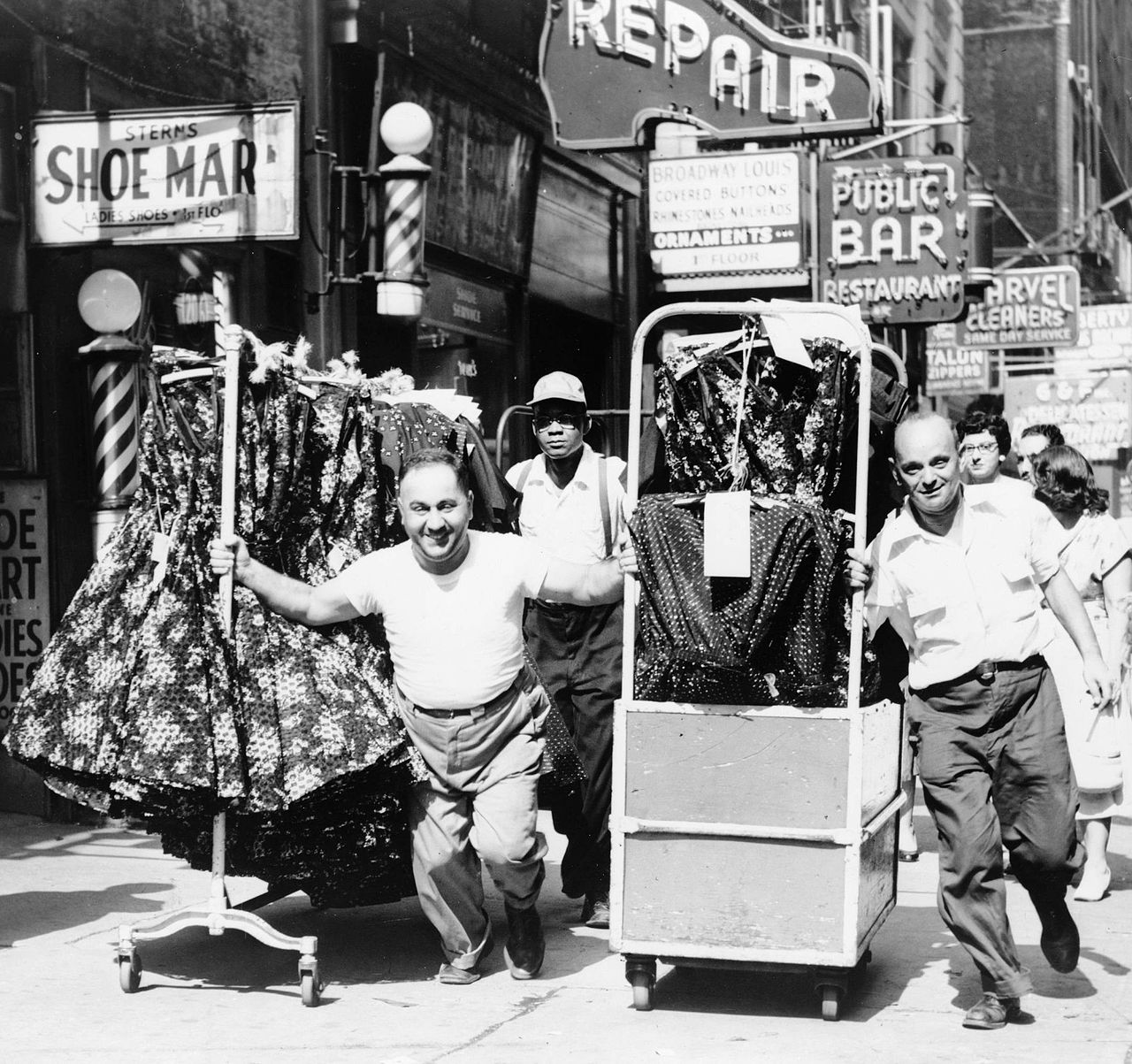
Fashion design has long been influenced by social change, technology and trade. Tailoring and bespoke practices evolved alongside industrial textile production and garment factories, widening access to fashionable clothing. The 20th century saw the rise of designers who shaped public taste and the proliferation of seasonal collections and designer brands. Today the field combines artisanal techniques with digital tools, global supply chains and new materials.
Contexts and uses
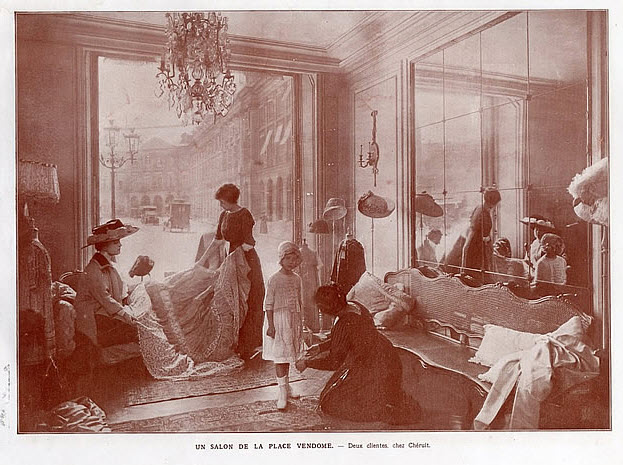
Designers work in varied settings: independent studios, fashion houses, manufacturing companies, film and theater costume departments, and retail brands. Some garments are made individually for a client — for example in haute couture or bespoke tailoring — while most clothing is produced as ready‑to‑wear for wider markets. Accessories and small leather goods such as purses and bags often form entire lines of design and merchandising; footwear and millinery require specialized patterning and construction.
Distinctive terms and practices
It helps to distinguish common industry categories: haute couture refers to custom, atelier‑based creations often associated with luxury houses, whereas ready‑to‑wear (RTW) is produced in standard sizes for retail. Sustainable and ethical design practices have become important, prompting designers to consider lifecycle, sourcing and social impact. Costume design, while related, focuses on storytelling and character, differing from commercial fashion in purpose and constraints. For detailed examples of these areas, see links on costume, accessories and couture: costume, accessories and bags, haute couture.
Fashion design sits at the intersection of art, craft and commerce: it shapes how people present themselves, responds to technological and cultural shifts, and continually negotiates the balance between originality, wearability and production realities.
Questions and answers
Q: What is fashion design?
A: Fashion design is the art and profession of designing clothes, costume, and related items like hats, purses, bags, and shoes.
Q: What do fashion designers aim for when designing clothes?
A: Fashion designers attempt to design clothes that are both functional and attractive. They consider who may wear a garment and the situations in which it will be worn.
Q: What do fashion designers typically use when designing clothes?
A: Fashion designers have a range of materials to work with and a wide range of colors, patterns, and styles to choose from.
Q: What is haute couture?
A: Haute couture refers to clothes or fashion accessories that are made specifically for an individual.
Q: What is bespoke tailoring?
A: Bespoke tailoring refers to the creation of a garment specifically for an individual based on their measurements and requirements.
Q: What kind of clothing is mostly designed for the mass market today?
A: Today, most clothing is designed for the mass market, especially casual and everyday wear.
Q: What items besides clothing do fashion designers typically design?
A: Fashion designers may also design related items like hats, purses, bags, and shoes.
Related articles
Author
AlegsaOnline.com Fashion design: craft, industry, and cultural practice Leandro Alegsa
URL: https://en.alegsaonline.com/art/33593
Sources
- hautecouturenews.com : "What is Haute Couture?"
- fashion-era.com : "Haute Couture Fashion History"
- fashion.telegraph.co.uk : "Haute couture: making a loss is the height of fashion"
- abcnews.go.com : "Designers Flock to Mass-Market Retailers"
- thedailybeast.com : "Out from Underground"
- utepprospector.com : "Mass market broached by high-end fashion"