
Fashion show: purpose, structure, history and contemporary practices
A fashion show is a staged presentation of a designer's new clothing line. This article covers its purpose, typical structure, history, major fashion weeks, and modern variations including digital and installation formats.
A fashion show is a staged presentation in which a designer, brand or house displays a collection of garments and accessories to an invited audience. The primary aims are to present new designs, attract press and buyers, and set seasonal trends. Shows are often timed to coincide with the industry's calendar — most commonly Spring/Summer and Fall/Winter seasons — and are a focal point during fashion week periods in major cities. Organizers and participants frequently post schedules and press materials online; for event information see event listings.
Image gallery
10 Images


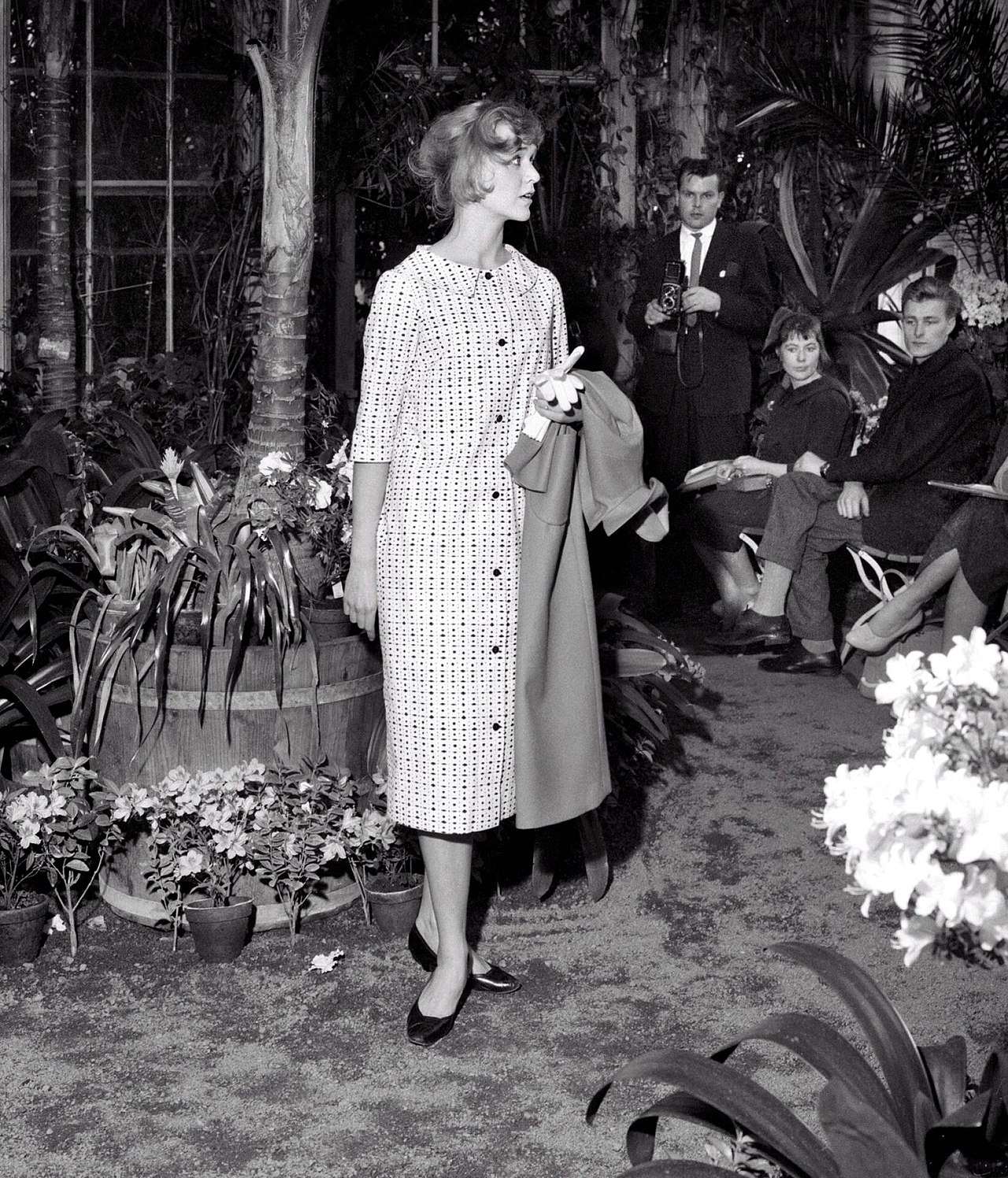


Typical elements and staging
Most fashion shows follow a planned sequence that highlights individual outfits in a deliberate order. A live or recorded soundtrack, curated lighting, hair and makeup styling, and the choreography of model movements combine to create an overall mood that supports the collection's concept. In addition to traditional runway presentations, designers sometimes use static or semi-static presentations — often called installations or presentations — where models stand or sit to allow closer inspection of garments.
- Runway (catwalk): the central aisle along which models walk and display looks.
- Look order: the sequence crafted to build narrative and highlight key pieces.
- Backstage: where fittings, costume changes and preparation take place.
- Guests: press, retail buyers, celebrities, influencers and industry insiders.
Structure and production
Production values vary from minimal, intimate showings to elaborate spectacles. The creative director chooses a venue, set design and soundtrack to match the collection's theme. Runway shows typically open with a strong, memorable look and close with the designer's signature or finale piece. Teams of stylists, dressers and stage managers coordinate model order and rapid changes; rehearsals and fittings are essential to a smooth presentation.
History and major centers
Fashion shows developed gradually from private salon viewings and atelier presentations to public spectacles as the industry professionalized in the 20th century. Over time, city-based fashion weeks emerged to concentrate many shows into a single season, creating a calendar that buyers and editors follow. Paris and New York are widely regarded as highly influential, with Milan and London also central to global fashion circuits; regional fashion weeks and trade events complement these hubs. For information about seasonal scheduling and regional events see fashion week resources.
Functions, impact and variations
Beyond displaying clothes, fashion shows serve several functions: they generate editorial coverage, inform retail buying decisions, and communicate brand identity. In recent years the format has diversified — livestreamed shows, digital lookbooks, and immersive installations broaden access beyond invited guests. Presentations can also be used to spotlight sustainability, social themes or collaborations. Designers may publish their collections online or in lookbooks after a show; digital galleries and purchase pages are often linked from the collection announcement, for example collection details.
Types and notable distinctions
Shows differ by market segment and purpose. Haute couture shows present made-to-measure, often highly crafted garments, while ready-to-wear (prêt-à-porter) targets broader retail production. Some designers stage appointment-only presentations or trade-only showings for buyers, and others produce theatrical events intended to attract mainstream media attention. The traditional runway remains central, though many brands experiment with hybrid formats and new media to reach wider audiences — watch for streaming hubs and networked platforms that host shows and archives, e.g. runway archives.
As a cultural and commercial practice, the fashion show continues to evolve. It balances artistry and commerce, shaping how garments are seen, discussed and ultimately purchased. Whether intimate or extravagant, each presentation is a strategic moment for a designer to communicate seasonal direction and brand values to the industry and the public.
Questions and answers
Q: What is a fashion show?
A: A fashion show is an event where fashion designers showcase their new line of clothing.
Q: When are fashion shows typically held?
A: Fashion shows are typically held during Fashion Week, which debuts every season.
Q: What are the two most influential fashion weeks?
A: The two most influential fashion weeks are Paris Fashion Week and New York Fashion Week.
Q: What are the seasons for fashion shows?
A: The seasons for fashion shows are Spring/Summer and Fall/Winter.
Q: What happens at a typical fashion show?
A: At a typical fashion show, models walk on the catwalk showcasing clothing created by the fashion designer.
Q: Do fashion shows always involve models walking on a runway?
A: No, sometimes fashion shows take the form of installations where models pose standing or sitting to show the clothing.
Q: Is the order in which each model wears a specific outfit planned?
A: Yes, the order in which each model wears a specific outfit is usually planned.
Related articles
Author
AlegsaOnline.com Fashion show: purpose, structure, history and contemporary practices Leandro Alegsa
URL: https://en.alegsaonline.com/art/33594
Sources
- books.google.com : Fashion Journalism
- books.google.com : The Fundamentals of Fashion Management
- gawker.com : "A Minute-by-Minute Account of Fashion Week's Most Harrowing Event"
- commons.wikimedia.org : Fashion show