
English Springer Spaniel — breed overview, appearance, history and care
Medium-sized, energetic gundog valued for flushing and retrieving. Covers appearance, temperament, history, health, grooming, training and working roles, with guidance for owners and handlers.
Overview
The English Springer Spaniel is a medium-sized gundog developed to flush and retrieve game. Bred for stamina, scenting ability and a steady temperament, Springers are energetic, affectionate and versatile. They are commonly used in hunting and field work, but also excel as family companions, therapy animals and in certain types of detection and search work. Their working instincts make regular exercise and mental challenges essential.
Image gallery
4 Images


Appearance and coat
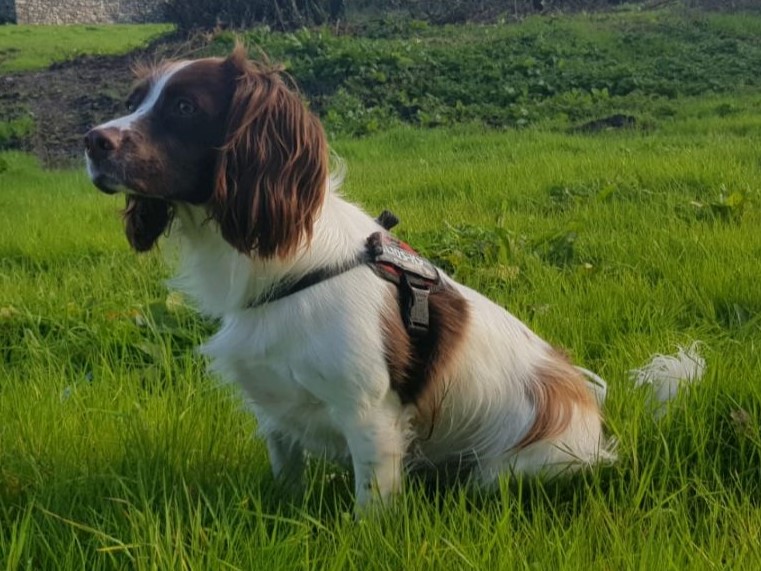
Springers have an athletic, balanced build suited to moving through rough cover. The coat is moderately long with feathering on the ears, chest, belly and legs; it can be weather-resistant but requires routine care. Accepted color patterns typically include combinations of liver (brown) and white, or black and white, and some dogs show tan markings or ticking. Breed standards describe acceptable markings and coat texture; grooming maintains coat health and allows inspection for parasites and ear problems. See resources about the coat for practical guidance on brushing and trimming.
Temperament and training
English Springers are known for intelligence, eagerness to please and a cheerful disposition. They form strong bonds with handlers and respond well to positive, reward-based training. Early socialization reduces the risk of shyness or over-exuberance around strangers and other animals. As spaniels, they possess a strong nose and a natural tendency to search and flush game; training that channels these instincts—such as scent work, retrieving and structured field exercises—helps prevent boredom and unwanted behaviors. General obedience, impulse control and consistent routines are important for a well-adjusted dog.
History and working role
Historically developed in the British Isles, the English Springer Spaniel was bred to "spring" game from cover for shooters and falconers, then to fetch or indicate game for retrieval. Over time distinct types emerged, including smaller cockers and larger springers; selective breeding emphasized endurance for covering ground and a steady working style. Modern Springers continue to serve in traditional hunting roles and in competitive field trials, while many are kept as active companion dogs.
Health, lifespan and care
With proper care Springers are generally healthy; a typical lifespan is often around 12–14 years. Owners should be aware of breed-associated concerns such as ear infections (common with hanging ears), hip and elbow joint conditions, and certain inherited eye disorders. Responsible breeders participate in health screening programs and share test results. Routine care includes weekly brushing, regular ear checks, dental care, and preventive veterinary visits. Activities like swimming, games that encourage retrieving, and long walks help meet their high exercise needs and maintain fitness.
Choosing, working and living with a Springer
Prospective owners should seek reputable breeders, rescue organizations or breed clubs and ask about health clearances and the puppy’s early socialization. Springers thrive when given jobs or consistent activity: scent work, field training, agility and obedience are common outlets. They typically do well in families that can provide daily exercise, mental stimulation and firm, patient leadership. For practical instruction on retrieving and fieldcraft consult materials on retrieving and spaniel handling; breed and field organizations can offer structured training and testing opportunities.
Related breeds and distinctions
The English Springer shares ancestry and many traits with other spaniel types. It resembles but differs from the Welsh Springer Spaniel and the Cocker Spaniel in size, build and traditional field style. Show and working lines may vary in coat finish and proportions; judging standards and field trial rules describe these distinctions in detail. For authoritative guidance consult national breed clubs, field associations and experienced handlers who provide breed-specific recommendations and assistance.
For further reading and local support, contact national and regional breed clubs, reputable trainers and veterinary professionals. Practical resources and community groups can help owners address training, health screening, and lifestyle planning for this active and loyal gundog.
Related articles
Author
AlegsaOnline.com English Springer Spaniel — breed overview, appearance, history and care Leandro Alegsa
URL: https://en.alegsaonline.com/art/31496
Sources
- dogbreedinfo.com : "Welsh Springer Spaniel (Welsh Springer) (Welshie)"
- ukcdogs.com : "Breed Standards : English Springer Spaniel - United Kennel Club (UKC)"
- thekennelclub.org.uk : "The Kennel Club"
- commons.wikimedia.org : English Springer Spaniel