
Equidae: the family of horses, donkeys and zebras
Equidae is the mammal family that includes modern horses, donkeys and zebras (genus Equus). Members are single-hoofed, herbivorous, cursorial mammals with a long fossil history and deep cultural importance.
The family Equidae comprises the living members of a lineage of hoofed mammals best known for horses, donkeys and zebras. In modern classification all extant species are grouped in a single genus, Equus, which has distinctive adaptations for running and grazing. Equids are part of the larger group of odd-toed ungulates and are recognized by a single functional toe ending in a hoof on each foot, elongate limbs, and a skull and dentition specialized for processing rough vegetation.
Image gallery
10 Images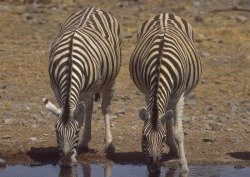





Key characteristics
- Anatomy: long legs, a single central hoof per foot, mobile head and large eyes adapted for detecting predators.
- Dentition: hypsodont (high-crowned) teeth suited to grinding grasses.
- Social behavior: many species form herds or family groups with clear social hierarchies and territorial behaviors.
Taxonomically, Equidae is often introduced in broad overviews of mammalian families (family summary). The modern genus includes familiar domestic and wild types: horses, donkeys and zebras. Members can interbreed across some species boundaries, producing hybrids such as mules and hinnies; such crosses are described in literature about hybrids and are typically sterile due to differences in chromosome counts and genetics.
Origins and evolution
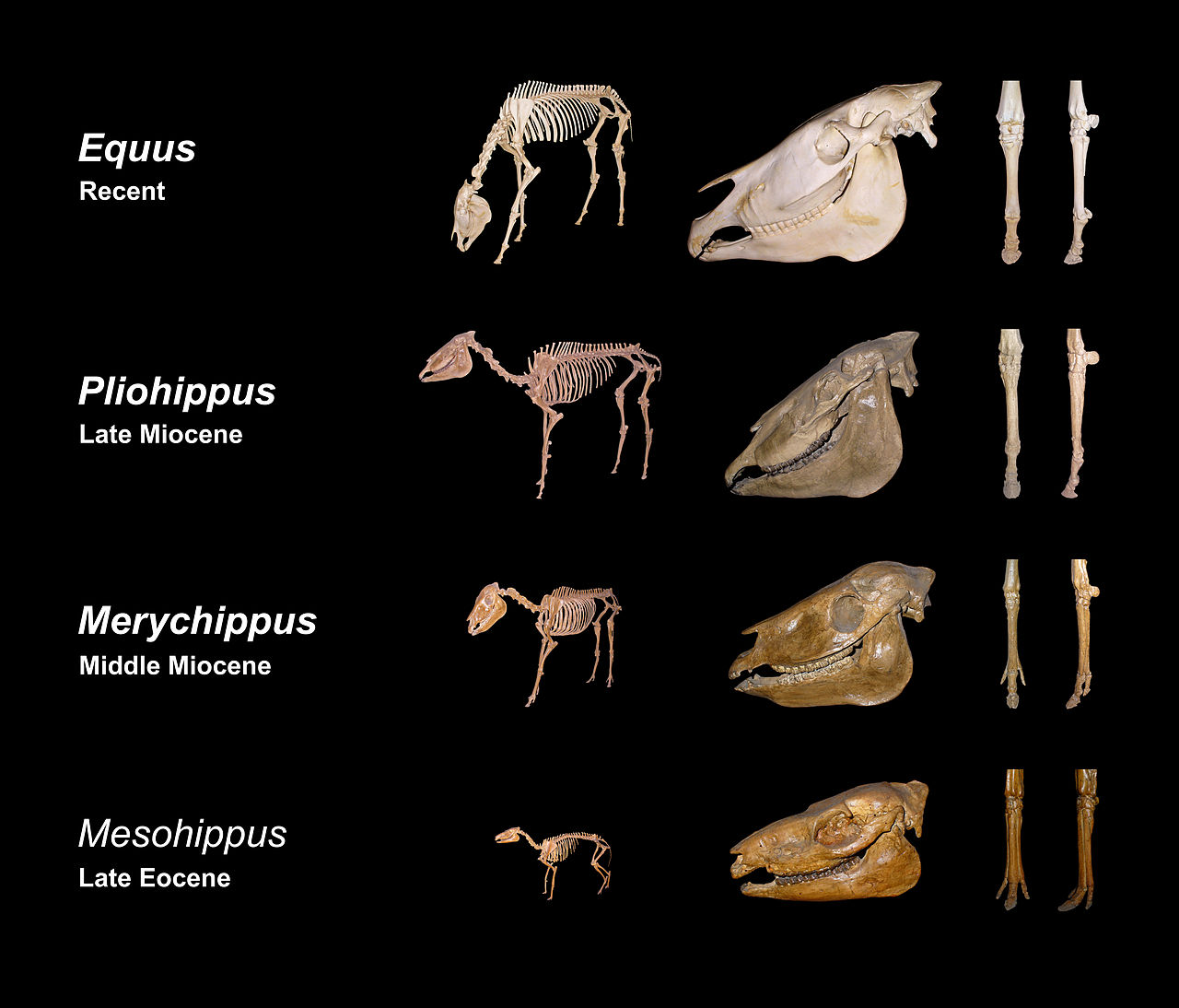
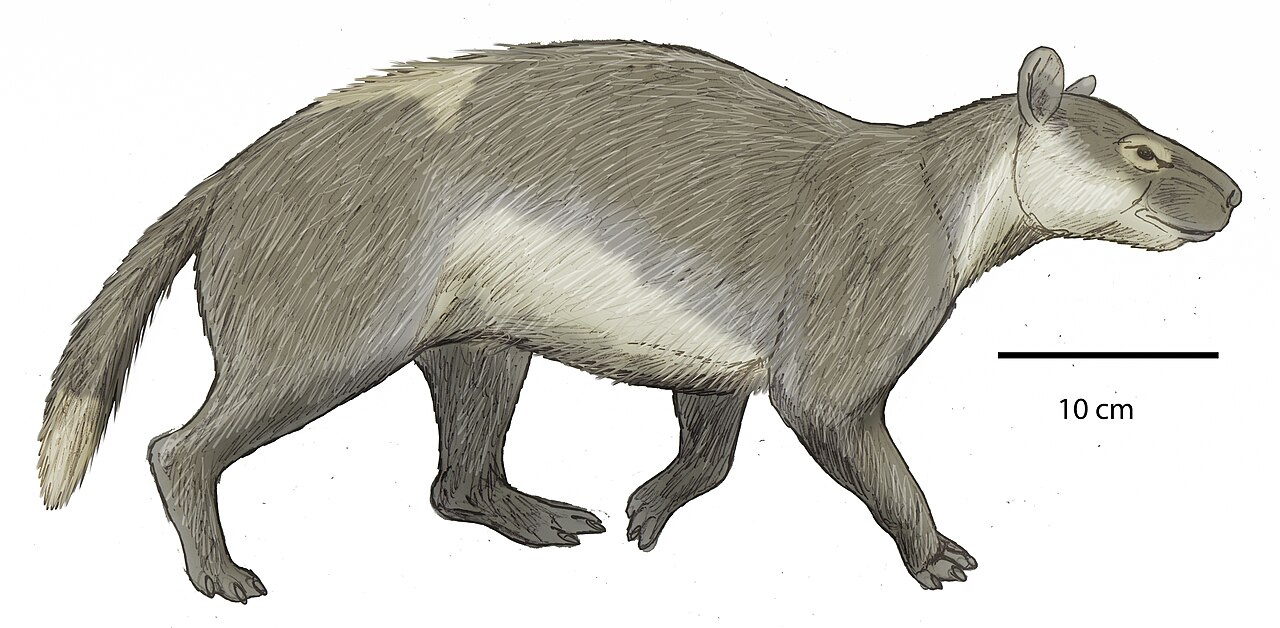
Equids evolved from small, forest-dwelling, multi-toed ancestors in the early Cenozoic. Over millions of years they became larger and more adapted to open grasslands, losing toes until a single prominent hoof remained. Fossil evidence shows a long record of change in tooth and limb structure associated with shifting diets and environments, and the family has left a rich paleontological record that illustrates macroevolutionary trends.
Human uses and conservation
Horses were domesticated several millennia ago and have been central to transport, agriculture, warfare, and sport. Donkeys have long served as working animals; zebras have been less commonly domesticated but are ecologically and culturally important in their native ranges. Conservation status varies: some equid populations are stable, while others face habitat loss, hunting, and competition with livestock. The Przewalski's horse is notable as a wild form that has been the focus of reintroduction programs.
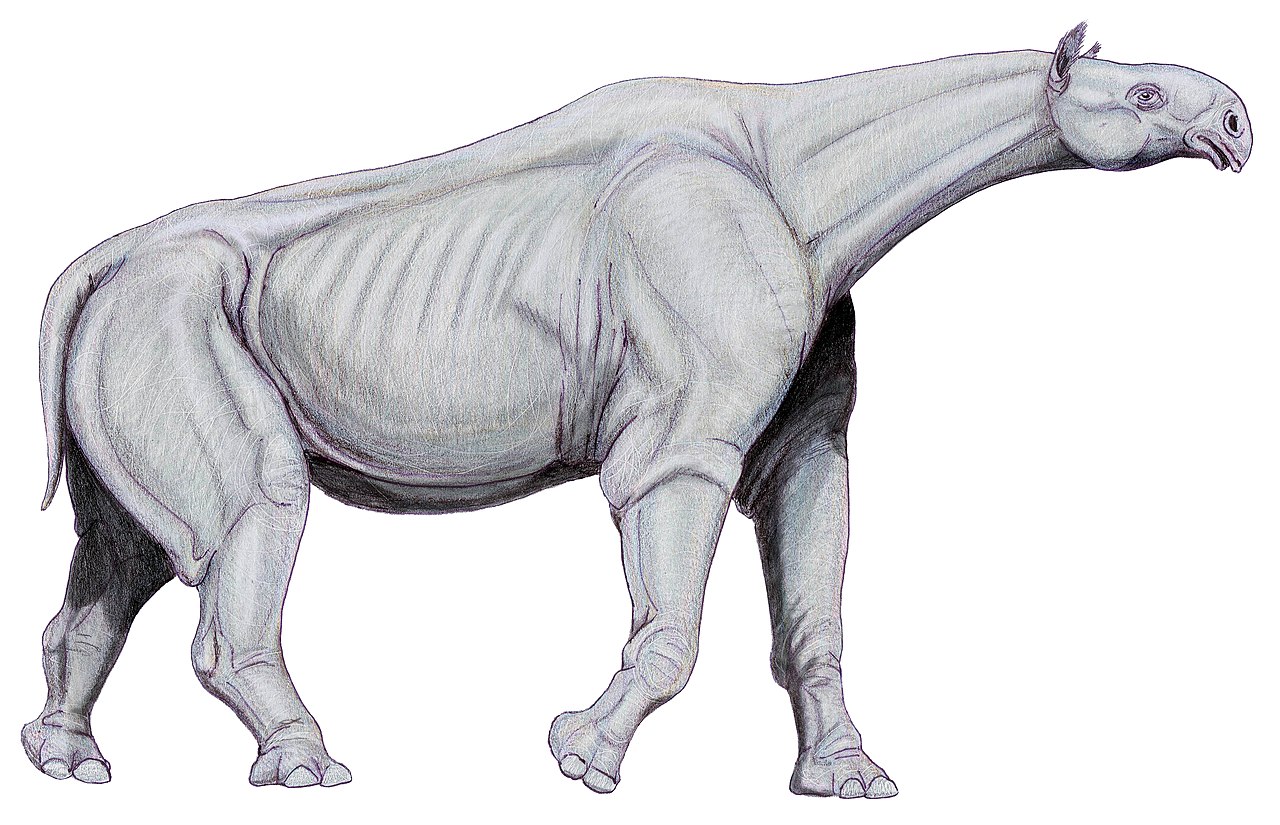
Distinguishing equids from other perissodactyls (such as rhinos and tapirs) is straightforward in the field: equids are generally more gracile, adapted to running with a single hoof, and possess distinctive manes and long tails. For further reading on classification and species accounts see general resources and taxonomic summaries (family overview, genus details). Additional resources on behavior and management are available for horses, donkeys, and zebras, and specific discussions of interspecific crosses appear under hybrids.
Equids remain among the most recognizable and influential mammal groups, combining a deep evolutionary past with ongoing ecological and cultural significance across much of the world.
Related articles
Author
AlegsaOnline.com Equidae: the family of horses, donkeys and zebras Leandro Alegsa
URL: https://en.alegsaonline.com/art/31822