
Endymion: the sleeping youth of Greek myth and his cultural legacy
Endymion, a handsome figure of Greek myth loved by the Moon goddess Selene, appears in many variants as a shepherd, hunter, or king. His story influenced ancient sources, art, poetry and modern adaptations.
Overview
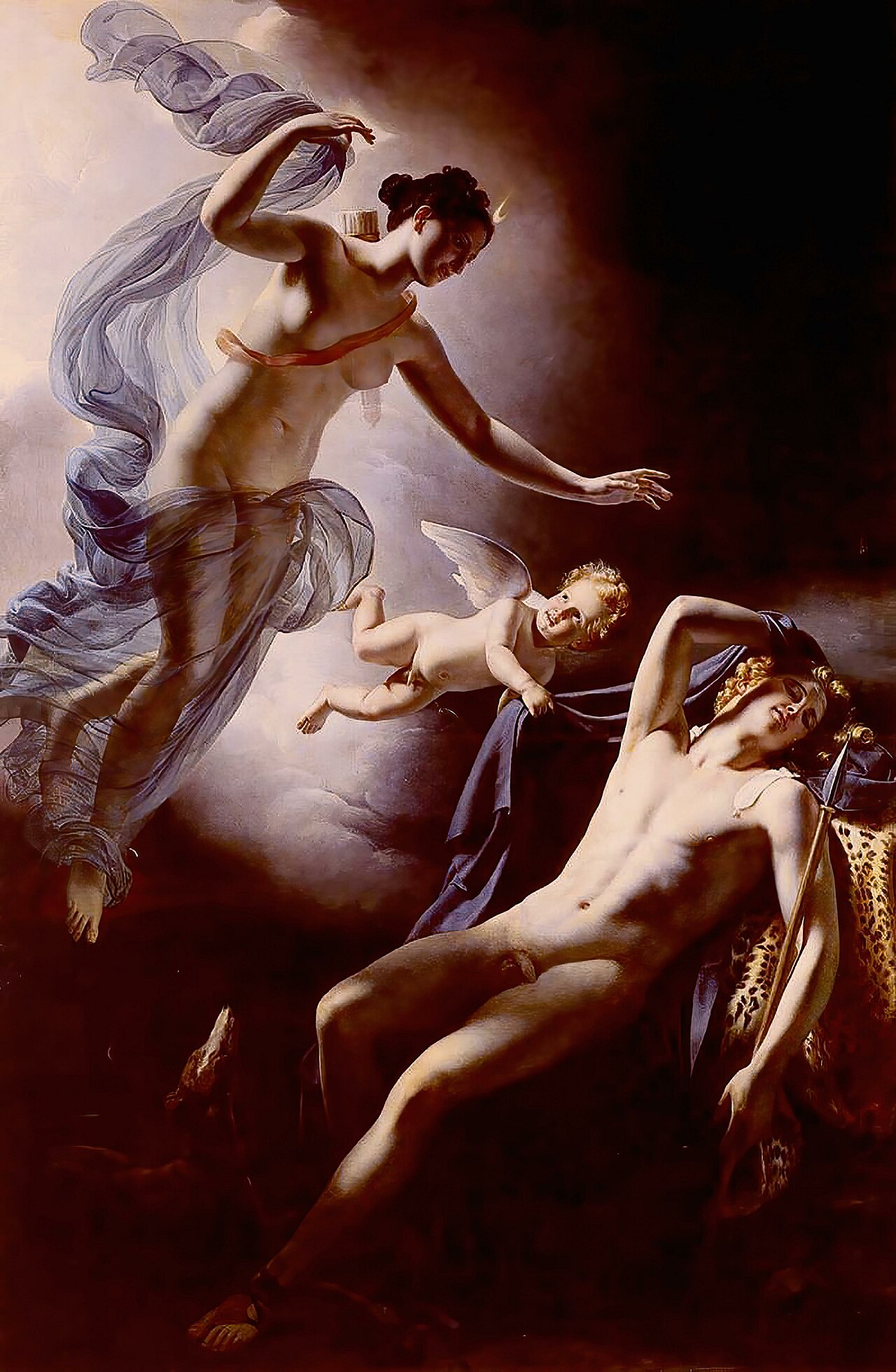
Endymion is a figure of ancient Greek legend best known for his eternal sleep and his association with the Moon. In the most familiar tradition a divine lover—Selene, the Moon goddess—falls in love with Endymion's beauty and arranges that he remain asleep, preserving his youth. The tale appears in a range of classical sources and later received wide reinterpretation in literature and the visual arts. For context on the wider mythic setting see Greek mythology and the role of the Moon in ancient religion; Selene as the personal deity who loves him is often named directly in sources (Selene).
Image gallery
8 Images




Variants and characteristics
Ancient storytellers did not agree on all details. Endymion is variously described as a shepherd, a hunter or a king (one tradition places him in Elis, another on Mount Latmus in Asia Minor). The central motifs remain consistent: Endymion is unusually handsome, Selene falls in love with him, and he is granted unending sleep or perpetual youth so that his beauty will not fade. Some accounts add children from the union or other local genealogical details, but the core image is that of the sleeping, preserved youth visited nightly by the Moon.
Classical and later sources
Ancient writers and geographers record different versions of the story. Later poets and dramatists retold and reshaped the myth: Elizabethan dramatists and early modern writers drew on the theme for allegory and romance (playwrights), and classical-era poets and mythographers provided the raw material for these reworkings. The myth also became a popular subject for lyric poets; for example the Romantic poet John Keats wrote a major poem simply titled Endymion, which popularized the image in modern literature. Broader discussions of poetic uses and variations appear in collections of poetry and literary criticism (poets).
Artistic and symbolic significance
Endymion’s sleep offered a rich image for painters, sculptors and engravers from antiquity through the Renaissance and into Neoclassicism. Artists used the sleeping figure and the nocturnal visit by the Moon to explore themes of beauty, desire, immortality, and the boundary between sleep and death. As an icon it could signify the idealized beloved, the costs of divine love, or a meditation on time and preservation.
Modern references and adaptations
The name and motif of Endymion continue to appear in modern culture. Beyond high art and poetry, the character inspired names and plot elements in popular media: for instance, a contemporary manga and anime series uses the name Endymion for a royal persona linked to a reincarnation romance (Sailor Moon). The myth’s adaptability—its combination of romance, the supernatural, and evocative imagery—helps explain its persistence.
Notable distinctions
- Multiple identities: Endymion is not fixed as only a shepherd; traditions make him kingly or pastoral depending on local and literary aims.
- Ambiguous agency: Sources differ on whether Selene or the gods (for example Zeus in some retellings) initiated his sleep.
- Enduring motif: The sleeping-from-love motif influenced a broad range of cultural forms—mythography, lyric poetry, drama, and visual art.
Taken together, these elements make Endymion a compact emblem of ancient ideas about love, beauty, and the uneasy relationship between immortality and human vulnerability.
For further reading on classical sources and artistic receptions, consult general surveys of myth and literature and specialist studies of lunar cults and Hellenic storytelling traditions.
Related articles
Author
AlegsaOnline.com Endymion: the sleeping youth of Greek myth and his cultural legacy Leandro Alegsa
URL: https://en.alegsaonline.com/art/31406