
Gilgamesh: Ancient Mesopotamian Epic on Kingship, Friendship, and Mortality
Survey of the Epic of Gilgamesh, an ancient Mesopotamian poem about a king's rule, the friendship with Enkidu, quests confronting mortality and the gods, its transmission across tablets, and enduring literary influence.
The Epic of Gilgamesh is a long heroic poem that comes from ancient Mesopotamia. Scholars consider it among the earliest surviving examples of extended literary fiction, combining myth, history and philosophical reflection.
Image gallery
10 Images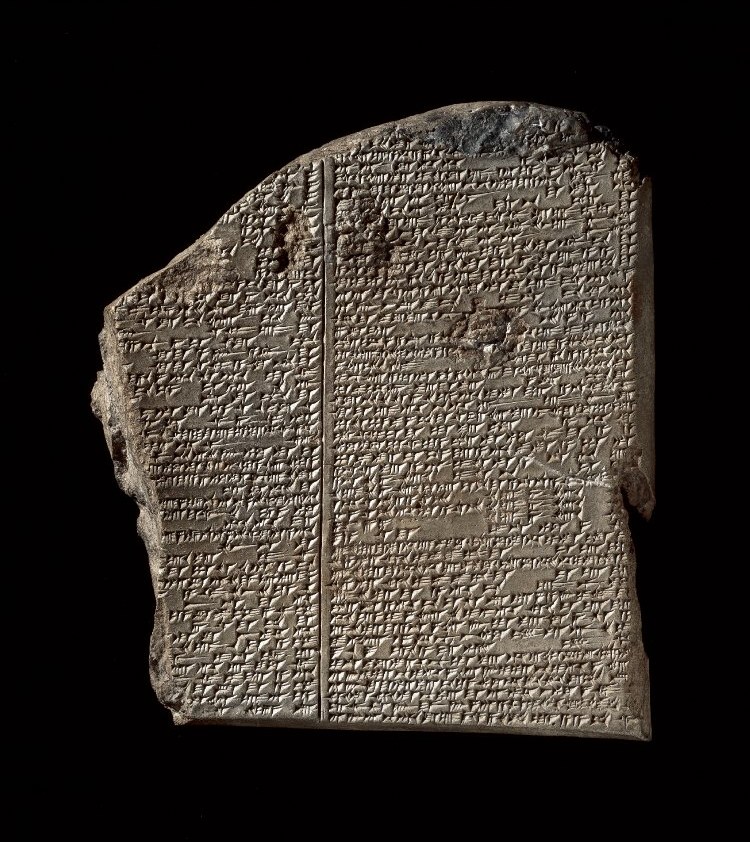



Manuscripts and composition
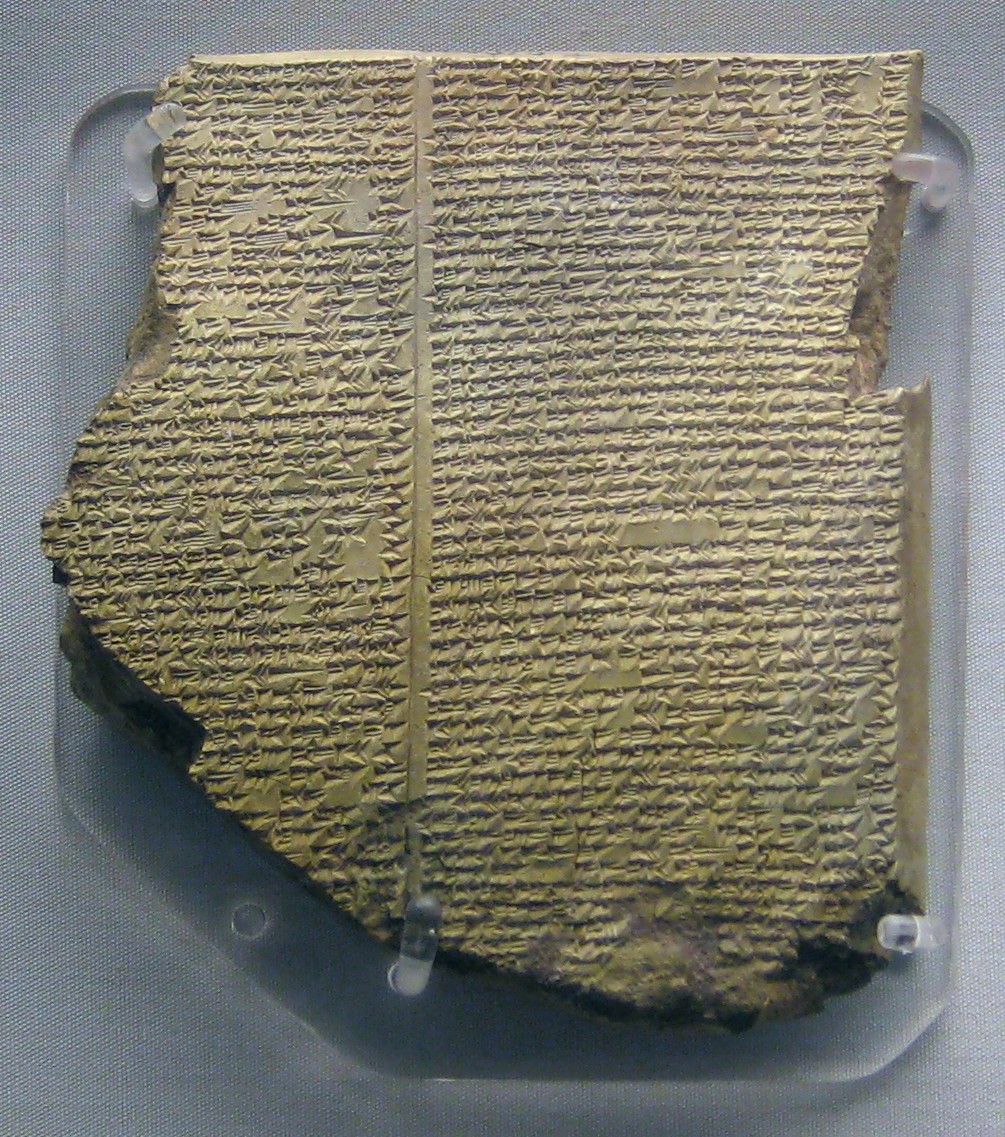
The longest surviving version of the poem was copied onto a set of clay tablets that were part of the royal library of the 7th century BC Assyrian ruler Ashurbanipal. Earlier material, however, can be traced to many separate sources: a cycle of Sumerian tales and shorter poems about the figure of Gilgamesh were composed first, and later editors appear to have woven those stories together. Most scholars believe that these Sumerian stories and other legends were adapted and joined into a single narrative in the Akkadian language well before the Ashurbanipal copies were made.
Plot summary
At its core the poem follows Gilgamesh, a powerful king whose excesses unsettle his people. A companion named Enkidu, created outside the city and initially wild, becomes Gilgamesh's close friend after a dramatic encounter. The two undertake dangerous adventures together, confronting monsters and divine challenges. The death of Enkidu has a profound effect on Gilgamesh and sets him on a quest to understand life and death.
Part of that quest leads him to seek out a remote survivor of a great flood and to learn stories about the limits of human existence. These episodes have made the poem notable for its early treatment of human mortality and the desire for lasting fame and immortality.
Themes and significance
- Friendship and grief: the bond between Gilgamesh and Enkidu is central, and the narrative explores how loss reshapes a personality.
- Human limits and the search for meaning: Gilgamesh’s journey interrogates whether humans can overcome death or must find acceptance.
- Interaction with the divine and the heroic ideal: the poem mixes encounters with gods and mythic beings with human concerns about rule and justice.
Transmission and influence
Because pieces of the story survive in different languages and periods, modern editions are built from many fragments. The Ashurbanipal tablets supplied the most complete "standard" version, but earlier Old Babylonian and Sumerian versions provide alternative lines and episodes. Translations into modern languages have made the poem widely read, and its characters and themes have continued to influence literature, art and popular culture.
Although much about its original composition remains debated, the Epic of Gilgamesh is an essential source for understanding ancient Near Eastern mythology, kingship, and early narrative poetry.
Questions and answers
Q: What is the Epic of Gilgamesh?
A: The Epic of Gilgamesh is an epic poem from ancient Mesopotamia.
Q: What is the significance of the Epic of Gilgamesh?
A: It is one of the earliest works of literary fiction known and often credited as being one of the first literary works with emphasis on immortality.
Q: Who is Gilgamesh in the epic?
A: Gilgamesh is a mythological hero-king who has become distracted and disheartened by his rule.
Q: Who is Enkidu in the epic?
A: Enkidu is Gilgamesh's friend who is half-wild and who undertakes dangerous quests with Gilgamesh.
Q: What is the main focus of the Epic of Gilgamesh?
A: Much of the epic focuses on Gilgamesh's thoughts of loss following Enkidu's death.
Q: How was the most complete version of the Epic of Gilgamesh preserved?
A: The most complete version of the epic that exists today was preserved on twelve clay tablets in the library collection of the 7th century BC Assyrian king Ashurbanipal.
Q: Is the Epic of Gilgamesh widely known today?
A: Yes, the epic is widely read in translation, and the hero, Gilgamesh, has become an icon of popular culture.
Related articles
Author
AlegsaOnline.com Gilgamesh: Ancient Mesopotamian Epic on Kingship, Friendship, and Mortality Leandro Alegsa
URL: https://en.alegsaonline.com/art/31699