
Sailor Moon (Pretty Soldier Sailor Moon)
Sailor Moon is a Japanese shojo manga and multimedia franchise by Naoko Takeuchi, famous for its influential magical‑girl anime, ensemble of heroines, themes of love and justice, and enduring global fandom.
Overview
Sailor Moon, originally published as the shojo manga by Naoko Takeuchi, is a landmark Japanese franchise that helped define the modern magical‑girl genre. The story follows Usagi Tsukino, a teenage girl who transforms into the titular heroine and gathers a team of fellow Sailor Guardians to defend the world from various supernatural threats. Its blend of action, romance, friendship and coming‑of‑age elements attracted readers and viewers worldwide.
Image gallery
6 Images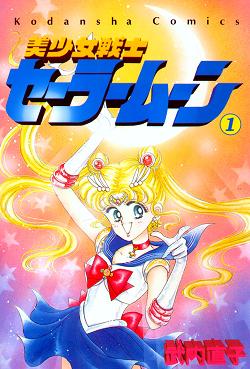



Concept and characters
The series centers on a core ensemble of female protagonists, each associated with celestial bodies and distinct personalities. While Usagi (Sailor Moon) embodies compassion and growth, her allies bring complementary strengths: courage, intellect, strategy and empathy. Recurring themes include loyalty, sacrifice, and the balance between ordinary life and heroic duty. The narrative mixes episodic confrontations with longer story arcs that reveal the characters' pasts and the franchise's broader mythology.
Media and adaptations
The original manga was adapted into a popular anime by Toei Animation, which expanded the property through serialized television seasons, theatrical films, and numerous licensed products. Beyond television and cinema, Sailor Moon has spawned stage musicals, a live‑action series, video games, collectible merchandise and a manga‑faithful reboot that revisited the source material for a new generation. Major adaptations helped broaden the story's reach and influence.
History and development
Debuting in the early 1990s, Sailor Moon arrived at a moment when youth‑oriented manga and anime were evolving toward more complex heroines and team dynamics. Its success prompted both domestic and international distribution, contributing to the worldwide popularity of anime in the 1990s and beyond. Creators and producers iterated on the characters and tone across media, resulting in variations in presentation and some localization changes in overseas releases.
Impact and legacy
Sailor Moon is widely credited with popularizing ensemble female teams and combining romance with action in shojo stories. It fostered active fan communities, inspired cosplay and creative works, and influenced later manga and anime creators. Notable aspects include its progressive portrayal of friendship and identity; some international versions edited or relabeled relationships for local markets, a point often discussed in studies of adaptation and representation.
Further reading and resources
- Original manga and collected editions — see manga listings.
- Television series and filmographies — produced by Toei Animation and discussed in many animation histories.
- Creator interviews and retrospective pieces on Naoko Takeuchi and the franchise.
- Academic and fan analyses of the anime, localization, and cultural impact.
Questions and answers
Q: What is Sailor Moon?
A: Sailor Moon is a shojo manga by Naoko Takeuchi that was adapted into an anime series by Toei Animation CO., LTD.
Q: When was Sailor Moon popular?
A: Sailor Moon was one of the most popular anime/manga series during the 1990s.
Q: How many seasons did Sailor Moon span?
A: Sailor Moon spanned five seasons.
Q: How many movies were adapted from Sailor Moon?
A: Four movies were adapted from Sailor Moon.
Q: Was Sailor Moon adapted into multiple video games?
A: Yes, Sailor Moon was adapted into multiple video games.
Q: Does Sailor Moon continue to have a strong fanbase?
A: Yes, Sailor Moon continues to hold a strong fanbase with many fansites devoted to it.
Q: Who was the creator of Sailor Moon?
A: Naoko Takeuchi was the creator of Sailor Moon.
Related articles
Author
AlegsaOnline.com Sailor Moon (Pretty Soldier Sailor Moon) Leandro Alegsa
URL: https://en.alegsaonline.com/art/85313