
John Keats: Life, Poetry, and Enduring Influence
John Keats (1795–1821), an English Romantic poet, produced influential odes, sonnets and narrative poems; his imagery, letters and ideas—like 'negative capability'—shaped later poetic thought.
Overview
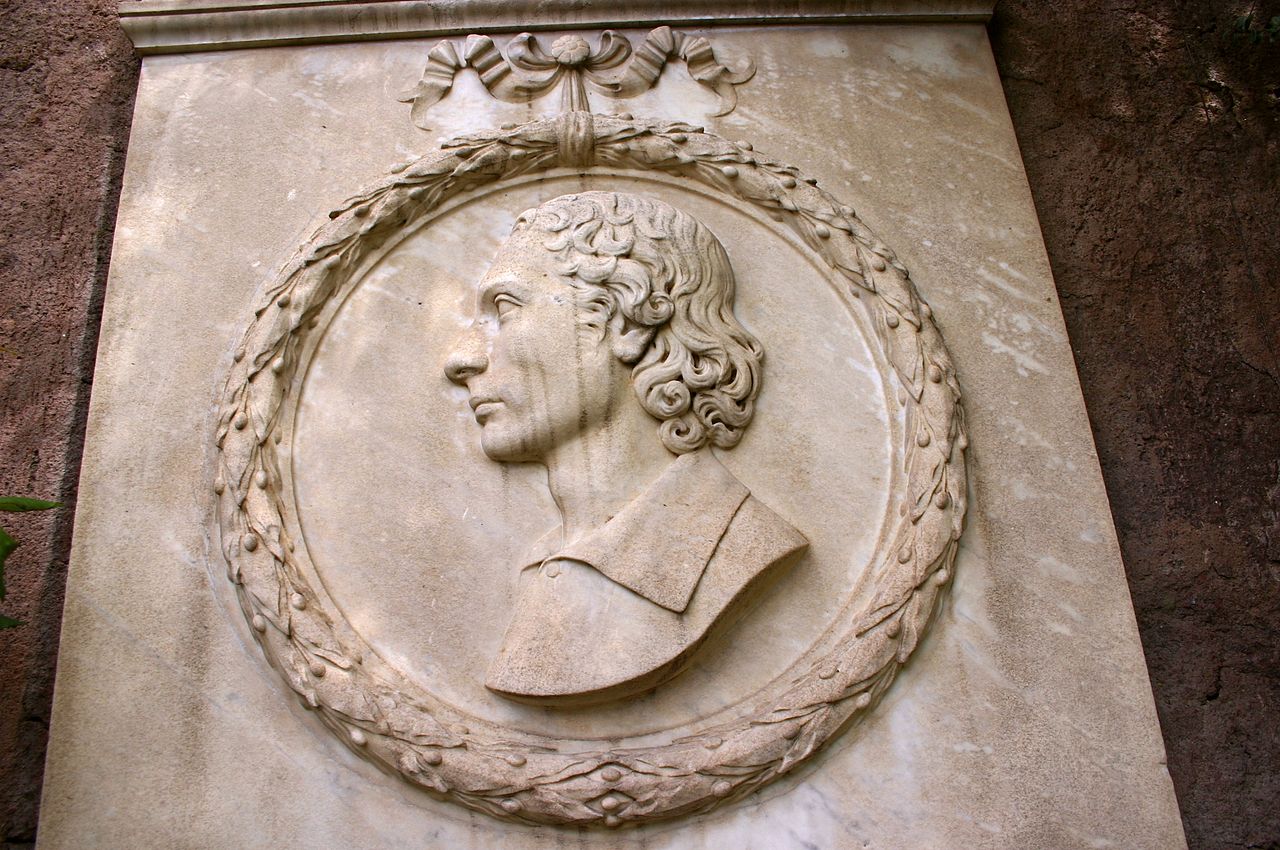
John Keats (31 October 1795 – 23 February 1821) was an English poet and writer whose short but intense creative life left a lasting mark on the Romantic movement in English literature. He is commonly grouped with contemporaries such as William Wordsworth, Samuel Taylor Coleridge, Lord Byron and Percy Bysshe Shelley. Keats's work was composed chiefly between 1814 and 1819 and includes narrative poems, sonnets, and the famous series of odes that secured his reputation after his death.
Image gallery
10 Images




Life and background
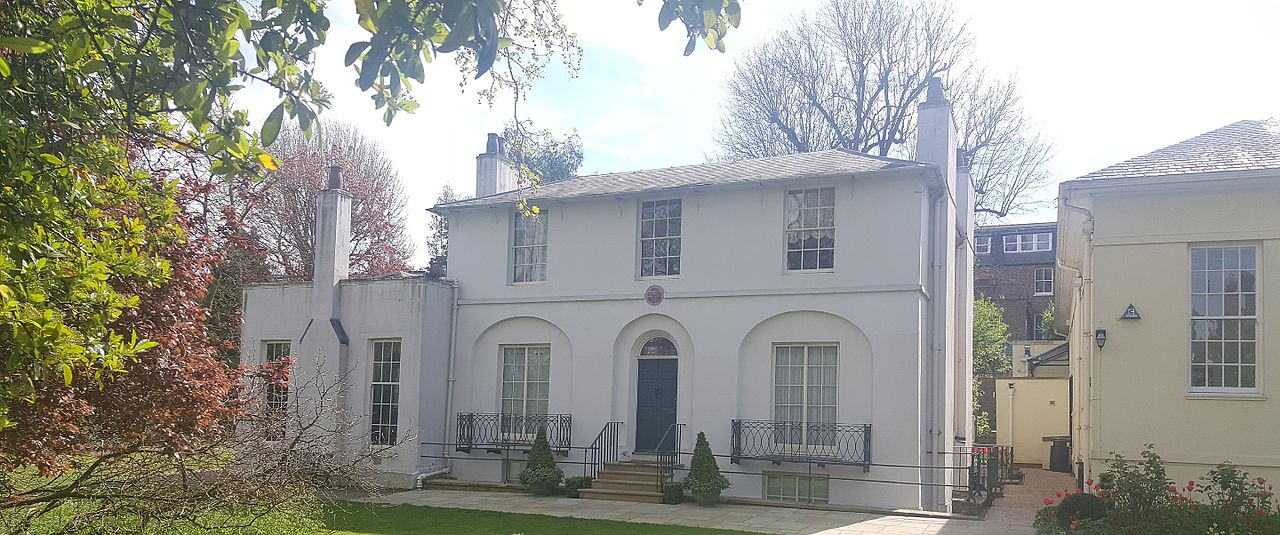
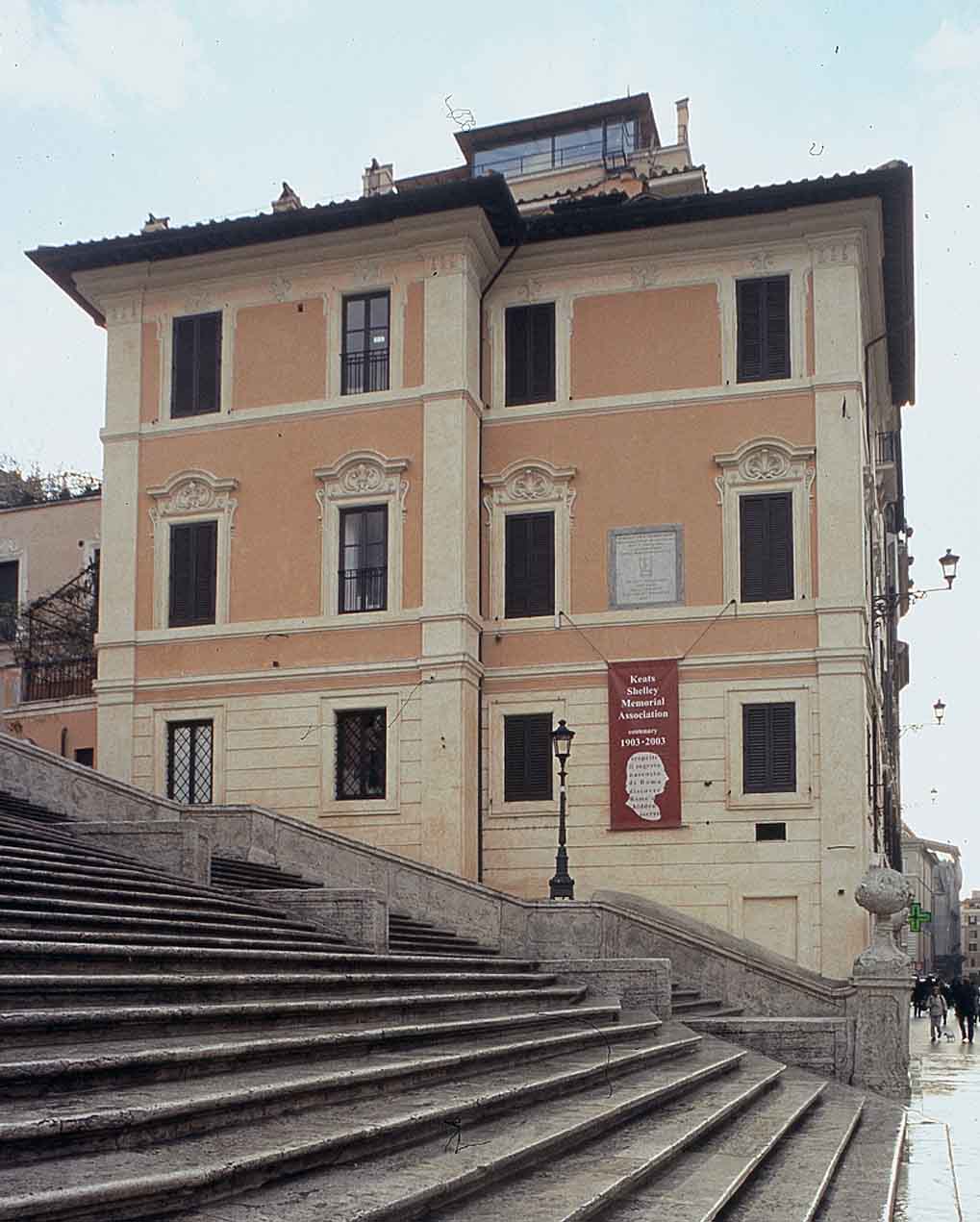
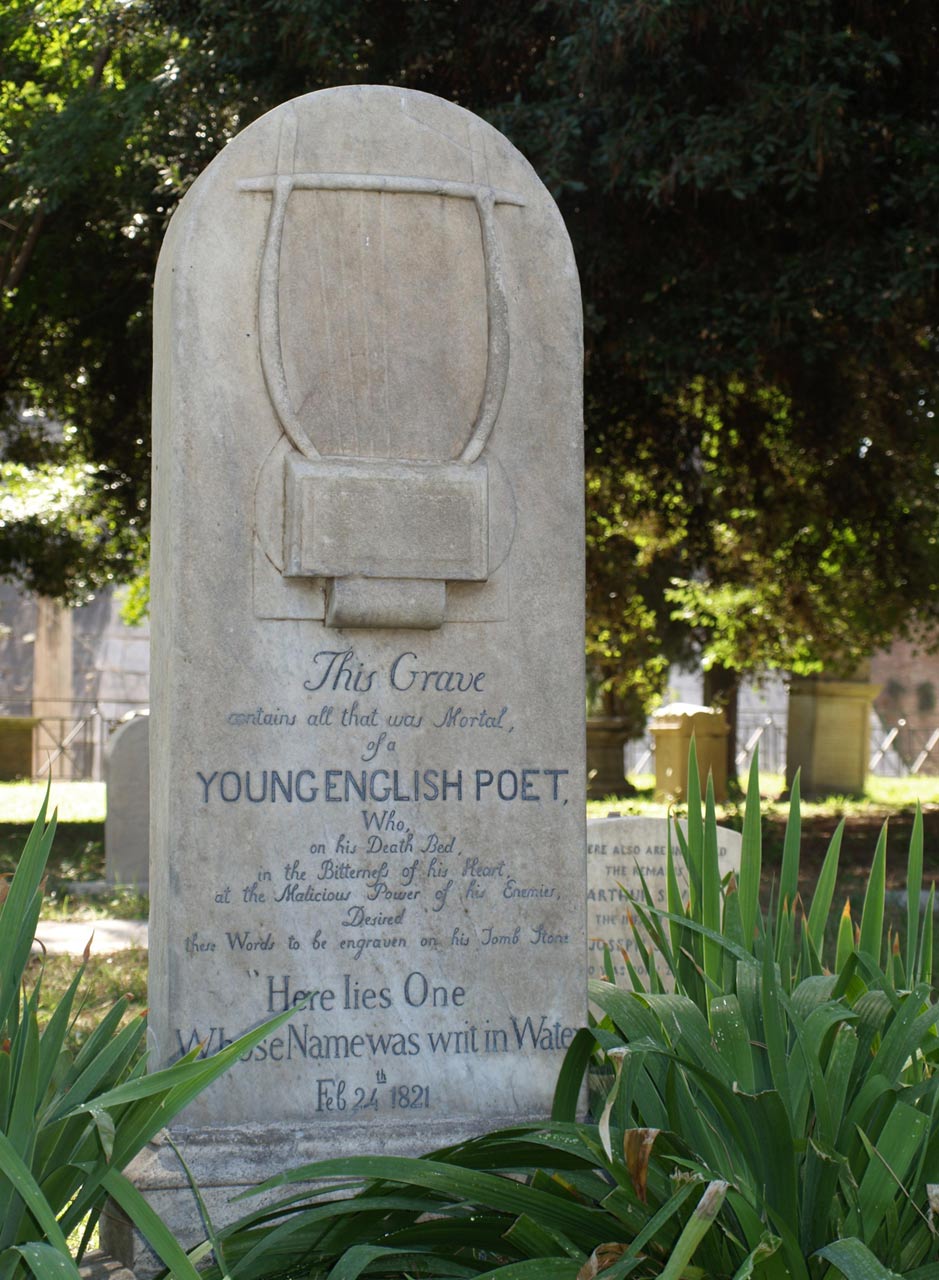
Born in London, Keats lost his father young and later his mother, events that affected his outlook on mortality. Trained initially as an apothecary-surgeon, he abandoned a medical career to pursue poetry full time and became part of a literary circle around Leigh Hunt. Ill health—specifically tuberculosis—forced him abroad; he died in Rome at the age of 25. His letters to friends and family, notable for their candour and precision, survive as important documents for understanding both his craft and his personality.
Major works and form
Keats wrote in a variety of forms. Among his longer narrative experiments are Endymion and the fragmentary epic Hyperion, which draw upon Greek mythology for subject and mood. He produced several celebrated shorter pieces such as the ballad La Belle Dame sans Merci, numerous sonnets, and the sequence of odes—including poems often titled by their first lines—that explore beauty, transience and the imagination.
Themes and poetic approach
Keats's poetry is commonly praised for its sensuous images, intense attention to perceptual detail and an ethical seriousness about art's relation to life. He explored themes of mortality, the fleeting nature of beauty, desire, and the consolations and limits of imagination. Keats formulated the idea later called "negative capability," a term he used to describe the artist's ability to dwell with uncertainty and contradiction without seeking easy resolution.
Reception and legacy
During his lifetime Keats met with mixed critical response and some harsh reviews; however, his reputation grew rapidly after his death. Critics and poets of later generations celebrated the technical mastery and emotional depth of his shorter poems and odes. His letters are studied for their critical insights into poetic theory, and his phrases and images appear repeatedly in literary criticism and teaching. Keats's premature death contributed to a mythic image that has shaped the popular memory of Romantic suffering and creative intensity.
Selected facts and distinctions
- Keats produced most of his important work in roughly six years, an unusually brief but productive period.
- He experimented with narrative, lyric and classical themes—often blending formal ambition with vivid sensory detail.
- His correspondence is valued for its clarity about poetic craft and his own aims as an artist.
- Although he died young, Keats's influence extends to later Romantic scholarship, modernist poets, and general readers who prize his meditations on beauty and loss.
For deeper reading and primary texts consult comprehensive editions and reputable literary introductions that gather his poems, fragments and letters. Keats remains a central figure when exploring how personal experience, classical references and inventive language combine in English lyric poetry.
poet • writer • Romantic movement • English literature • William Wordsworth • Samuel Taylor Coleridge • Lord Byron • Percy Bysshe Shelley • tuberculosis • Rome • Endymion • Hyperion • Greek mythology • La Belle Dame sans Merci • sonnets • odes
Questions and answers
Q: Who are the five most important poets of the Romantic movement in English literature?
A: The five most important poets of the Romantic movement in English literature are William Wordsworth, Samuel Taylor Coleridge, Lord Byron, Percy Bysshe Shelley, and John Keats.
Q: How old was John Keats when he died?
A: John Keats died at the age of 25.
Q: What happened to John Keats' parents?
A: John Keats' father Thomas died when he was nine years old and his mother Frances died from tuberculosis in 1810.
Q: What did John Keats study before becoming a poet?
A: Before becoming a poet, John Keats studied to be a surgeon.
Q: What is one of the longest poems written by John Keats?
A: One of the longest poems written by John Keats is Endymion.
Q: Which poem is considered one of his best known works?
A: One of his best known works is "La Belle Dame sans Merci", a ballad poem.
Q:What made him famous as well ?
A:John Keat's fame also comes from his letters which have survived throughout time; many consider him one of the great letter writers in English language.
Related articles
Author
AlegsaOnline.com John Keats: Life, Poetry, and Enduring Influence Leandro Alegsa
URL: https://en.alegsaonline.com/art/50698
Sources
- britannica.com : John Keats at Encylopaedia Britannica.
- litencyc.com : John Keats at Literary Encyclopaedia.