
Ēostre: Anglo‑Saxon spring figure and the name behind Easter
Ēostre (Ēostre/Eostre) is the name recorded in Anglo‑Saxon sources for a springtime figure linked to dawn, renewal and fertility. Historic evidence is limited and modern meanings mix scholarship, folklore and revivalism.
Overview
Ēostre (also written Eostre or Ostara in modern reconstructions) is a name preserved in early medieval English literature for a springtime figure associated with renewal, and it is widely cited as the linguistic source of the English name of the Christian festival of Easter. In later popular culture she is commonly depicted as a goddess of dawn, rebirth and fertility, though how she was understood in pre‑Christian practice remains debated.
Image gallery
3 Images

Name and etymology
The Old English name Ēostre likely derives from an earlier Germanic form related to the notion of dawn or the east. Linguists connect it to a Proto‑Indo‑European root meaning "to shine" or "dawn," which also underlies words for dawn in several Indo‑European languages. Germanic cognates give rise to similar names in northern European folklore and later scholarly reconstructions.
Sources and scholarly debate
The principal medieval reference appears in the work of the Northumbrian monk Bede, who wrote that the Anglo‑Saxon month Ēosturmōnaþ (roughly April) was named after a goddess called Ēostre and that a pagan feast in her name was replaced by the Christian celebration of Easter. Because few other contemporary textual or archaeological records name her, historians disagree about the scale and nature of any pre‑Christian cult devoted to Ēostre. Some view Bede's report as evidence of a genuine local tradition; others see a linguistic remembrance rather than proof of organized worship.
Symbols, traditions and cultural legacy
Over time a number of motifs have been associated with Ēostre through folklore, later interpretation and modern revival movements:
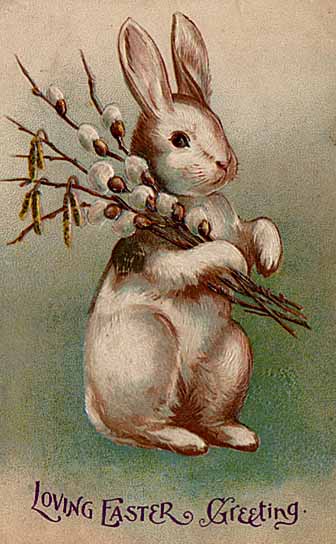
- Animals: the hare and rabbit are popularly linked with her as symbols of fertility and quick renewal.
- Eggs: eggs as symbols of new life became integrated into springtime rites and later Easter customs.
- Dawn and direction: linguistic ties emphasize a connection with the east and the coming of light after winter.
- Colors and imagery: pastel spring colors such as pink and green are modern associations rather than documented historical attributes.
Modern reception
In the 19th century folklorists and mythographers revived interest in Ēostre, and in the 20th and 21st centuries she has been adopted into various neopagan and reconstructionist calendars as a festival figure for spring. In popular culture she often serves as a personification of Easter themes, feeding into the story of the Easter Bunny and egg‑related customs that merged folk traditions with Christian observance.
Related articles
Author
AlegsaOnline.com Ēostre: Anglo‑Saxon spring figure and the name behind Easter Leandro Alegsa
URL: https://en.alegsaonline.com/art/31669