
Epic poetry: definition, history, features and notable examples
Long narrative poems that recount heroic deeds and wide-ranging events; developed from oral performance into written literature and shaped national, religious, and artistic traditions.
Epic poetry is a long, narrative verse form that relates the adventures of a central hero or the fate of a people across large spatial and temporal scopes. Epics often employ elevated diction, sustained narrative energy and formal devices such as invocation of the muse, opening in medias res, extended similes and catalogues of characters or ships. Many epics originated in oral tradition, where singers or reciters preserved history and myth for communal audiences.
Image gallery
5 Images
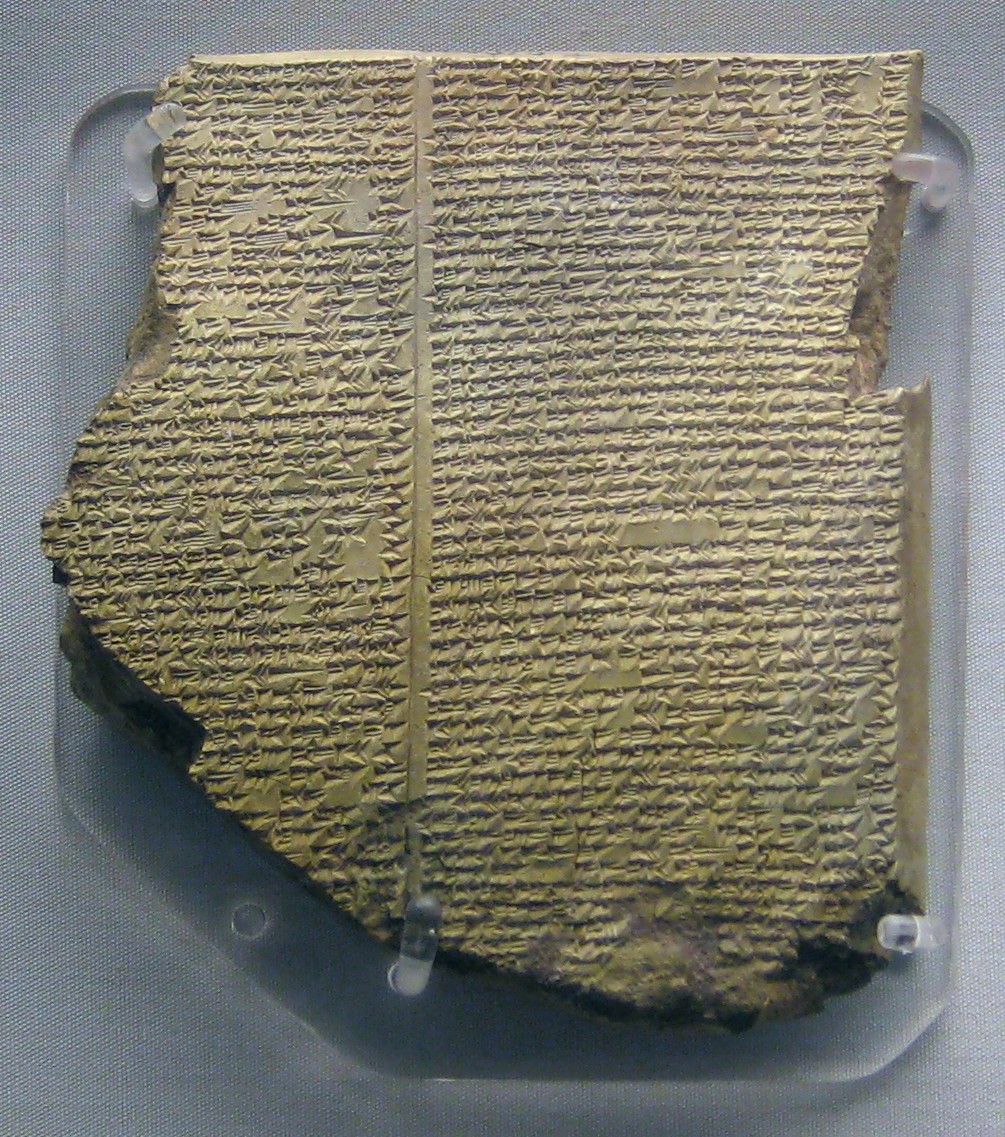



Characteristic features
Typical features include a grand subject, a protagonist with exceptional qualities, involvement of the supernatural, and a structure that combines action with long speeches and descriptive digressions. Different languages used distinct metrical systems: ancient Greek and Latin epics commonly used dactylic hexameter, while some medieval epics relied on alliteration and other local patterns. Poetic formulas and repeated phrases support memorization and performance.
History and development
The epic has roots in antiquity and remained central to many cultures. Works attributed to Homer shaped the Greek epic model; Roman poets adapted and transformed that model. The oral Kyrgyz Epic of Manas exemplifies a long living tradition outside Europe. In medieval northern Europe, the hero-poem Beowulf was composed in Old English and preserves a heroic world that later writers revisited.
Major literary developments include Roman epics that fused national origin stories with moral and political themes, and medieval and Renaissance epics that blended classical models with Christian and vernacular elements. Important practitioners include Virgil and Ovid in the Latin tradition, Dante in Italian, Edmund Spenser in English, and John Milton whose work reimagined biblical material. Even later poets such as William Wordsworth experimented with epic strategies in autobiographical contexts, where the poet’s life becomes an expansive narrative (autobiography).
Uses, examples and distinctions
Epics have served as vehicles for communal identity, moral instruction, historical memory and imaginative exploration. They appear as national epics, religious narratives and artistic experiments. Modern uses of the word "epic" have broadened to describe long novels, films and other media that imitate the scope of classical epics. There are also playful or satirical treatments—mock-epics—that apply epic form to trivial subjects.
- Notable examples: the Homeric epics, Virgil's Aeneid (Roman adaptation), the Epic of Manas, Beowulf, Dante's Divine Comedy, Spenser's The Faerie Queene, Milton's Paradise Lost.
Scholars study epic both as performed and written literature. Comparative attention to meter, oral composition techniques, cultural function and later reinterpretation helps explain why epic remains a central and flexible form in world literature.
Questions and answers
Q: What is epic poetry?
A: Epic poetry is a narrative poem that tells a dramatic story with characters, often happening in different settings.
Q: Where did epic poems originate from?
A: Epic poems began in prehistoric times as part of oral tradition.
Q: Can you give an example of a long written epic?
A: The Kyrgyz Epic of Manas is one of the longest written epics in history.
Q: What is a well-known example of a typical epic in Old English?
A: Beowulf is a typical example of an epic written in Old English.
Q: Who are some famous people who wrote epics?
A: Some famous people who wrote epics were Homer, Virgil, Ovid, Dante, Edmund Spenser, and Milton.
Q: What is William Wordsworth's Prelude?
A: William Wordsworth's Prelude is a poem that plays with epic ideas, despite being an autobiography.
Q: Can an epic poem be short?
A: No, epic poems are usually long due to their narrative structure and the multiple settings and characters involved.
Related articles
Author
AlegsaOnline.com Epic poetry: definition, history, features and notable examples Leandro Alegsa
URL: https://en.alegsaonline.com/art/31700