
Selene — Greek goddess and personification of the Moon
Selene is the ancient Greek goddess who personifies the Moon. Daughter of Hyperion and Theia, she is depicted driving a moon-chariot and figures in myths such as her love for Endymion; Roman equivalent: Luna.
Overview
Selene (Ancient Greek: Σελήνη) is the deity who personifies the Moon in ancient Greek religion and myth. In classical literature and art she is portrayed as a luminous female figure who travels across the night sky. The name Selene is also used more generally for the Moon itself in poetic and scholarly contexts, and her Roman counterpart is the goddess Luna.
Image gallery
10 Images




Origins and family
In Greek genealogies Selene belongs to an earlier generation of divine beings. She is conventionally described as a child of the Titans Hyperion and Theia—often cited separately as Hyperion and Theia—and therefore sister to the solar god Helios and the dawn goddess Eos. This lineage emphasizes the close relationship between sun, moon and dawn in Greek cosmology and situates Selene within wider narratives of Greek mythology.
Iconography and cult
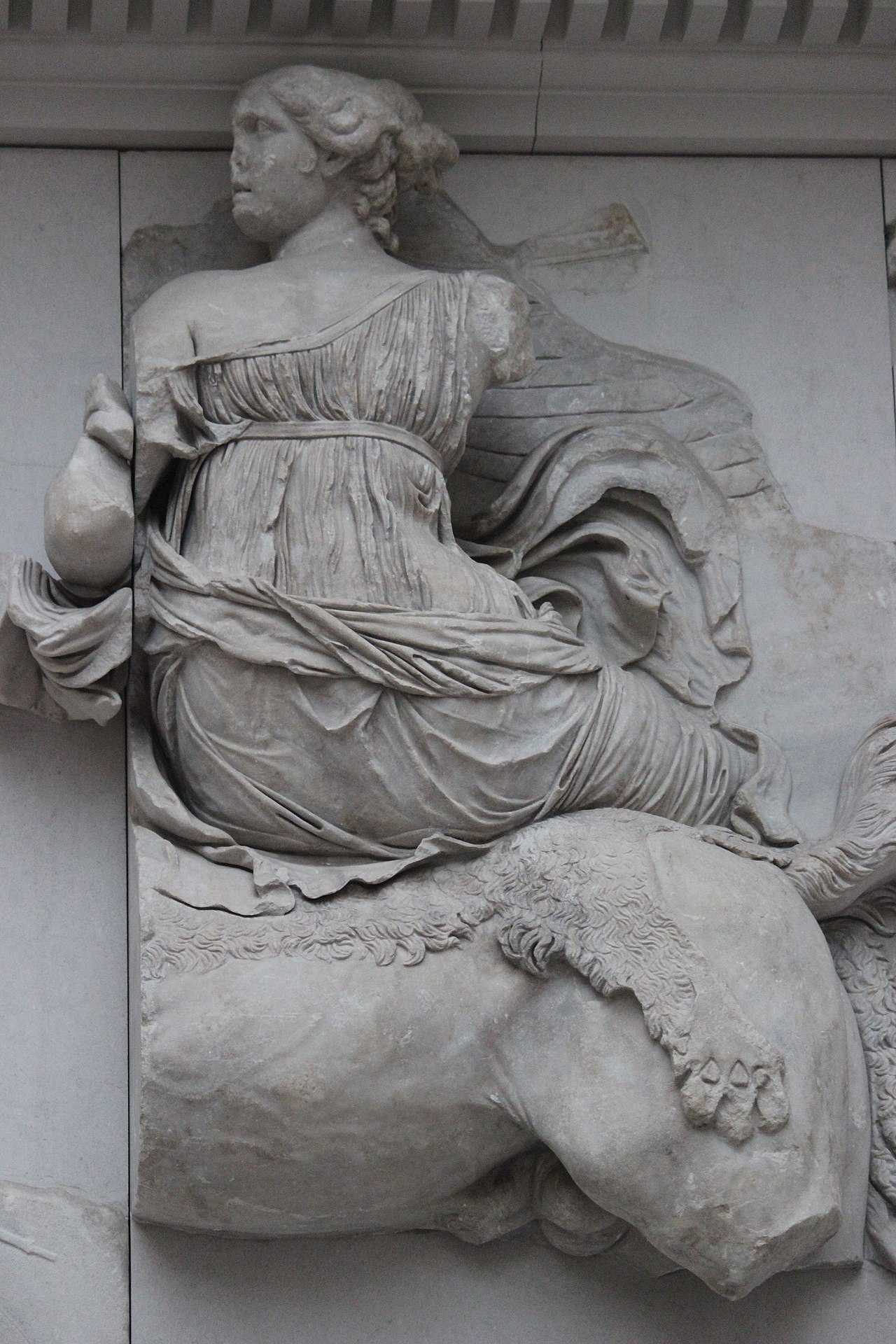
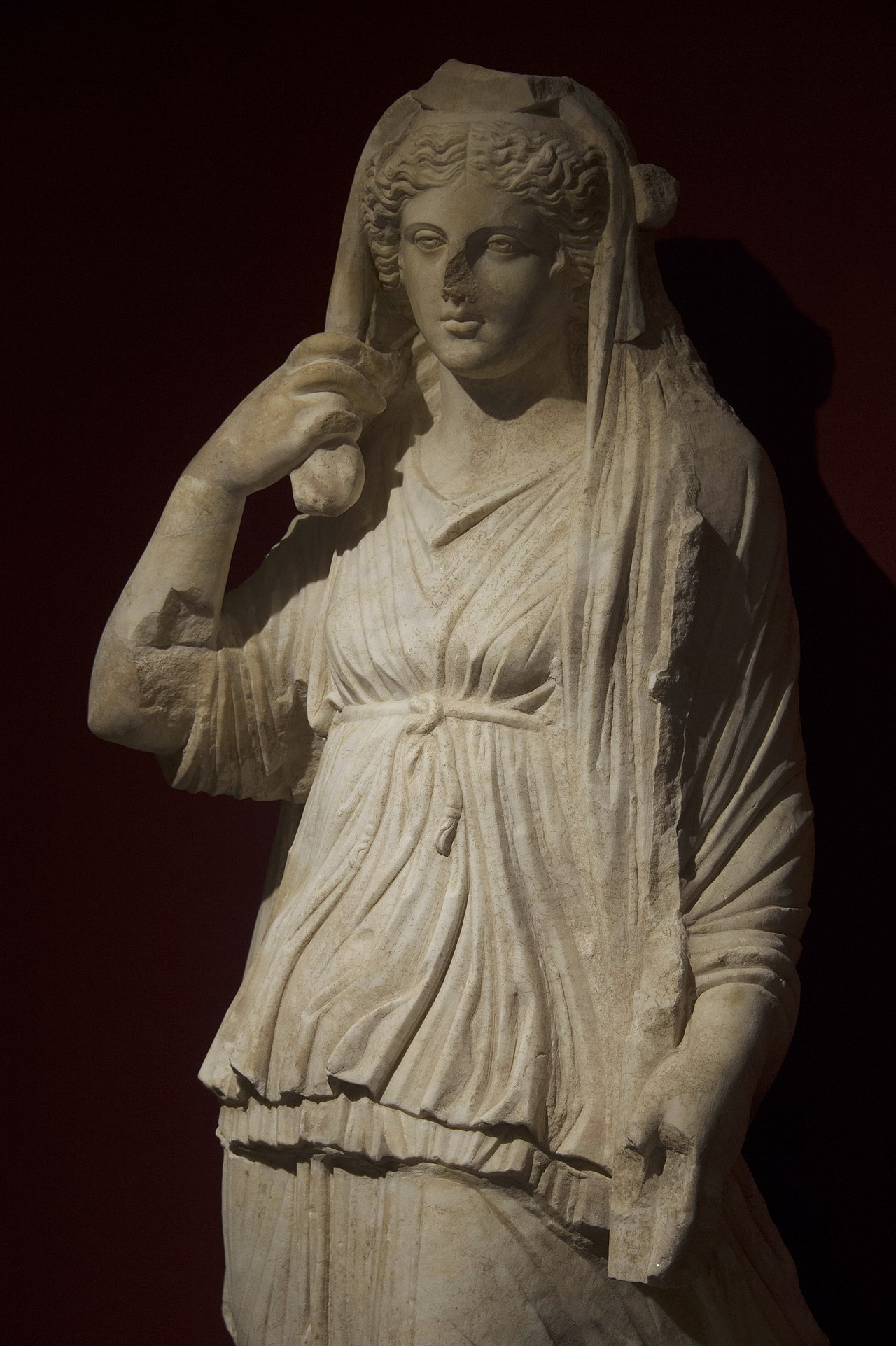
Artistic representations of Selene are consistent: she is often shown driving a two-horse chariot or riding a winged horse, crowned with a crescent. Typical attributes include a radiate crown, a billowing veil, and sometimes a torch or a crescent held in hand. Important points include:
- Chariot and horses: She traverses the night sky in a lunar chariot.
- Crescent symbolism: The crescent moon is a frequent emblem linked to her.
- Personification: Unlike other lunar-associated goddesses, Selene functions as the direct personification of the Moon.
Other deities such as Artemis and Hecate share lunar associations or aspects, but their roles and cults differ from Selene’s.
Myths and narratives
One of the best-known tales involving Selene tells of her mortal lover Endymion, a shepherd or king granted eternal sleep so that Selene could gaze on his unchanged beauty. Poets and vase-painters developed this theme widely, making it a touchstone for erotic and chaste forms of lunar devotion. Selene also appears in various hymns and late classical texts where she embodies the nightly cycle and its effects on human life.
Legacy and distinctions
Selene’s influence extended beyond ancient cult: her image and name occur in later poetry, art, and modern references to lunar phenomena. Scholars distinguish Selene the personified Moon from deities like Artemis (a huntress with lunar attributes) and Hecate (a liminal goddess with nocturnal associations), noting that Selene remains the primary divine embodiment of the Moon in classical sources.
For further reading on her myths, iconography, and cult history see broader works on Greek religion and the lunar divine figures in antiquity: Moon, Greek mythology, Titans, Hyperion, Theia, Helios, Eos, Artemis, Hecate, Personification.
Questions and answers
Q: Who is Selene according to Greek mythology?
A: Selene is the goddess of the Moon in Greek mythology and the daughter of the Titans Hyperion and Theia.
Q: What is Selene's relationship with Helios and Eos?
A: Selene is the sister of Helios, god of the Sun, and Eos, goddess of the dawn.
Q: How is Selene often depicted in mythology?
A: Selene is often shown driving her chariot across the night sky, drawn by a team of winged horses.
Q: What is Selene's connection with Artemis and Hecate?
A: Many other goddesses, such as Artemis and Hecate, were associated with the moon, but only Selene was regarded as the personification of the Moon itself.
Q: What is Selene's Roman equivalent?
A: Selene's Roman equivalent is Luna.
Q: What is the meaning of the name Selene?
A: Selene is another name for the moon.
Q: Who are Selene's parents according to Greek mythology?
A: Selene's parents according to Greek mythology are the Titans Hyperion and Theia.
Related articles
Author
AlegsaOnline.com Selene — Greek goddess and personification of the Moon Leandro Alegsa
URL: https://en.alegsaonline.com/art/88651
Sources
- commons.wikimedia.org : Selene