
Empiricism: the philosophical doctrine that knowledge derives from experience
Empiricism is the epistemological view that sense experience is the primary source of knowledge. This article outlines its core claims, history, methods, influence, and common objections.
Empiricism is a position in philosophy which holds that most or all of our justified beliefs about the world are grounded in experience. In this sense, knowledge is not primarily the result of pure reasoning alone but arises from encounters with the world. Empiricists typically emphasize observation, experimentation, and the data provided by the senses as the starting point for inquiry.
Image gallery
10 Images



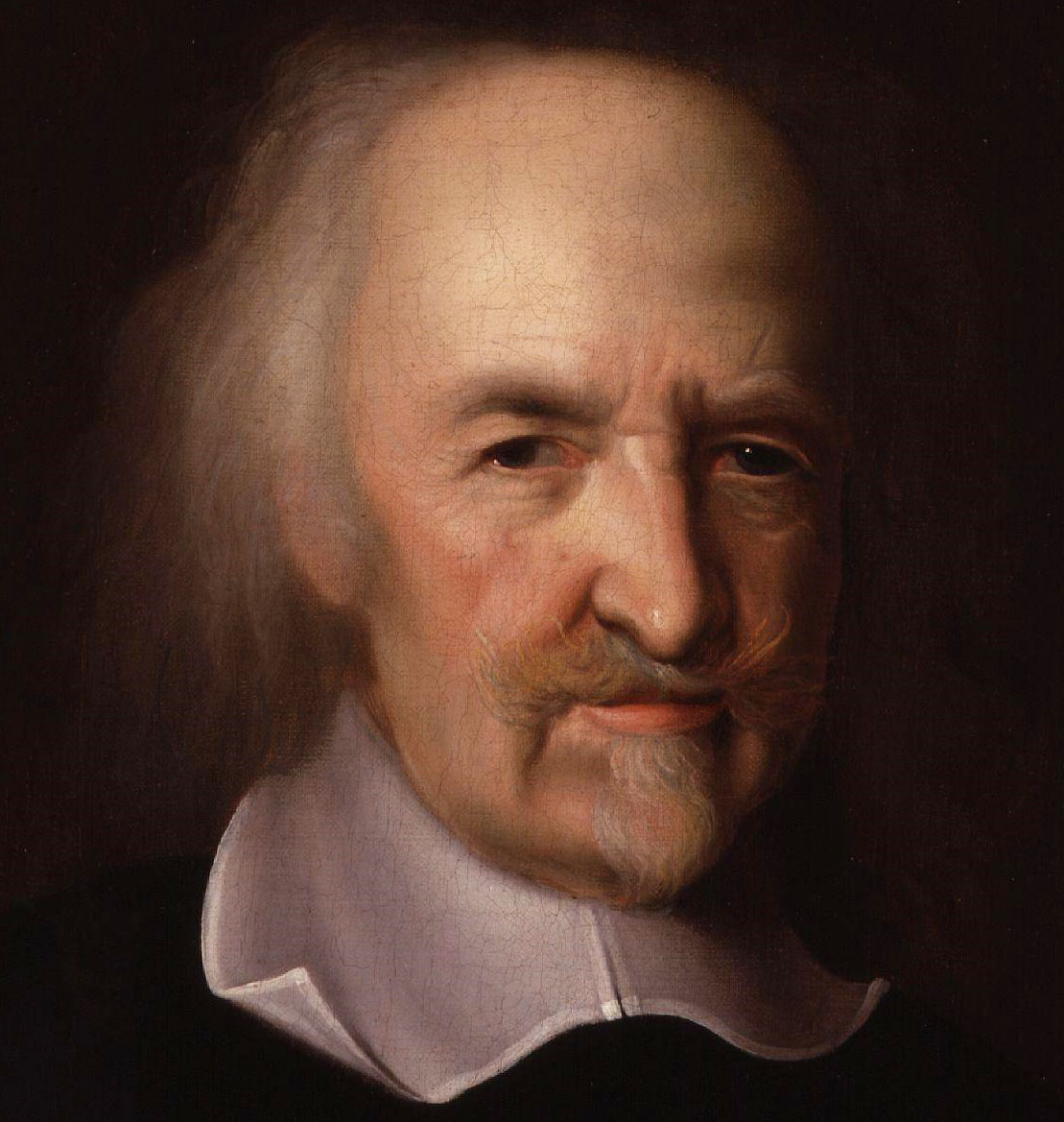

Core characteristics
Empiricism can be characterized by several related claims. These include:
- Sense-dependence: perceptual input—what is often called the senses—provides the raw material for most knowledge.
- Evidence-based justification: beliefs should be supported by observable information, records, or repeatable tests rather than only by abstract intuition.
- Empirical methods: careful observation and controlled investigation are the preferred routes to reliable propositions about the natural world.
Historical development
The modern tradition of empiricism was shaped in the 17th and 18th centuries by a group of British thinkers. Among the most prominent are John Locke, who argued that the mind begins as a blank slate; George Berkeley, who examined the role of perception in constituting reality; and David Hume, who raised skeptical questions about causation and inductive reasoning. These figures drew on earlier roots in classical thought, including themes present in Aristotle, and contributed to a lively debate with rationalist philosophers who stressed innate ideas and a priori knowledge.
Arguments and methods
Empiricists deploy a combination of conceptual analysis and appeal to experience. They argue that general claims must be checked against what is observed and that hypotheses gain credibility through successful prediction and coordination with sensory evidence. This approach influenced the development of the scientific method, where controlled observation, measurement, and revision of theories are central practices.
Importance, influence, and relations
Empiricism is a central strand in epistemology and the philosophy of science. It has affinities with materialist and physicalist outlooks, which also prioritize observable phenomena and causal explanation: see links to materialism and physicalism. More broadly, the empiricist emphasis on evidence underpins modern experimental science, technological progress, and many forms of practical reasoning.
Distinctions and criticisms
Critics of empiricism raise several challenges. Some argue that not all knowledge comes from sensation—examples include certain mathematical truths or conceptual frameworks—invoking epistemological debates about a priori knowledge. Others point to problems such as the theory-ladenness of observation (the idea that observations are influenced by prior theory) and the problem of induction, famously highlighted by Hume. Contemporary philosophers continue to refine empiricist positions, combining respect for sensory evidence with recognition of conceptual, inferential, and theoretical elements in how humans know.
Key ideas and figures can be explored further via introductory overviews and primary texts; for quick reference see entries on Locke, Berkeley, Hume, and related topics in philosophy and epistemology. For connections to contemporary metaphysical views consult materials on materialism and physicalism. Additional resources and educational pages are available at general philosophy portals and academic introductions covering knowledge and the role of experience in theory formation.
Further reading and external summaries: information sources, historical surveys, and modern critiques can provide more depth for readers seeking to compare empiricism with other epistemic theories.
Related articles
Author
AlegsaOnline.com Empiricism: the philosophical doctrine that knowledge derives from experience Leandro Alegsa
URL: https://en.alegsaonline.com/art/31283