
John Locke: English Philosopher and Founder of Modern Liberal Thought
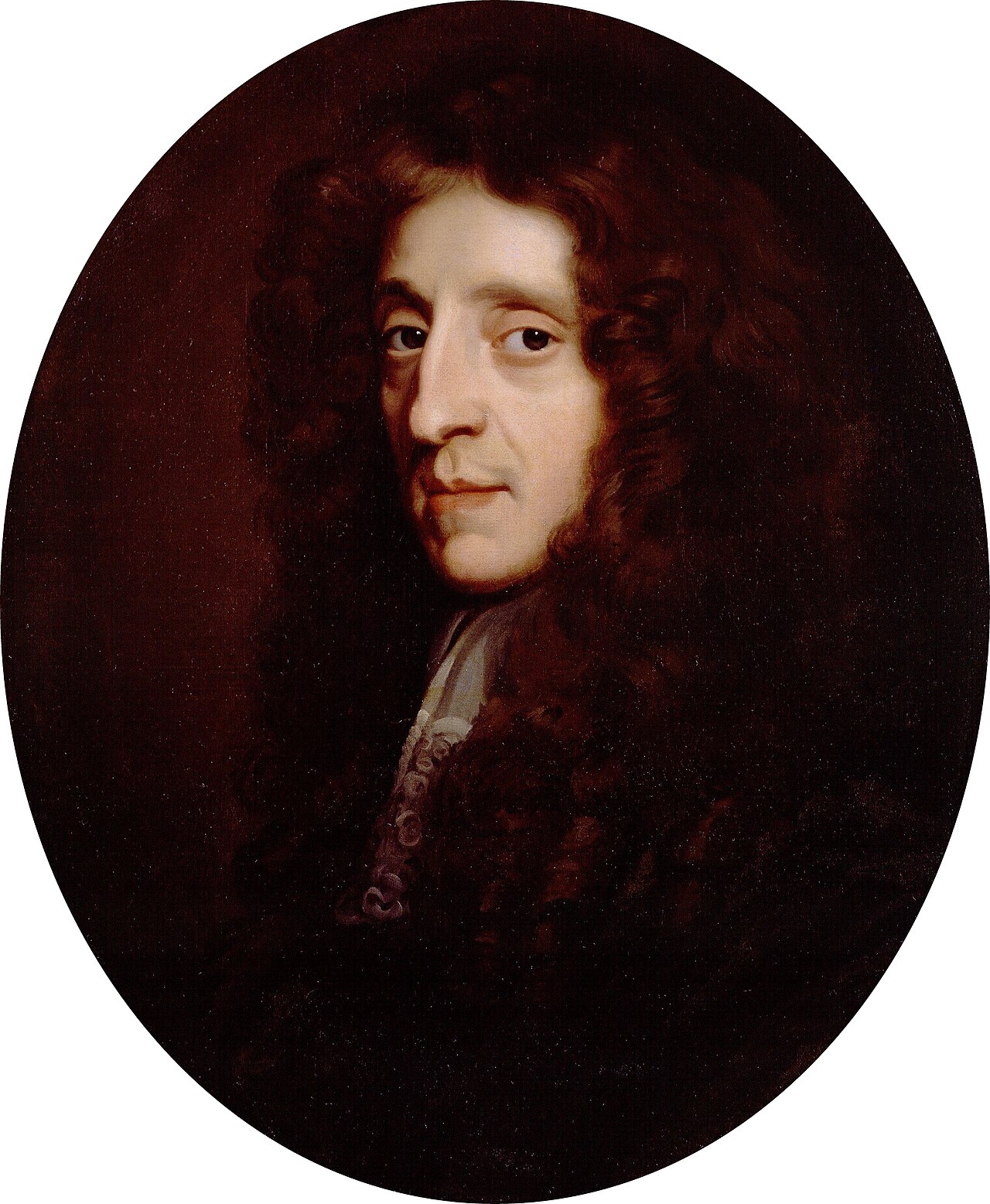
John Locke (1632–1704), English philosopher whose empiricism, theory of personal identity and social contract theory shaped Enlightenment thought and modern liberal democracy.
John Locke (29 August 1632 – 28 October 1704) was an English philosopher and physician whose ideas became foundational for modern liberalism and political philosophy. He is best known for arguing that human knowledge arises from experience, and for developing a theory of government based on natural rights and consent. Locke's writings addressed subjects ranging from personal identity and education to religious toleration and the limits of political authority.
Image gallery
10 Images




Philosophical contributions
Locke argued against innate ideas and proposed that the mind at birth is a tabula rasa, a blank slate. Experience—through sensation and reflection—supplies the content of thought and knowledge. In epistemology this position is called empiricism. In moral and political theory Locke defended natural rights to life, liberty, and property, and maintained that government exists by the consent of the governed; unjust rulers can be resisted. He also explored personal identity, suggesting continuity of consciousness and memory play a central role in what makes a person the same over time.
Main works and themes
- Essay Concerning Human Understanding — systematic statement of empiricism and theories of perception, ideas, and language.
- Two Treatises of Government — defense of natural rights, property, and limited government founded on consent.
- Letters on Toleration — arguments for religious toleration and limits on state control of belief.
Locke wrote in clear, accessible prose and aimed his arguments at practical as well as theoretical questions—education, law, and civil society all feature in his work.
Historical context and influence
Writing in the late 17th century, Locke responded to religious conflict, emerging scientific inquiry, and debates about monarchy and liberty in England. His ideas influenced a wide range of later thinkers and political movements: Enlightenment writers, constitutionalists, and the architects of the American republic drew on Locke's concepts of rights and government. Philosophers and critics have continued to debate and refine his positions on knowledge, identity, and tolerance.
Legacy and further resources
Locke is often called the "Father of Liberalism" because his arguments for individual rights, government by consent, and legal protections for property helped shape modern democratic theory. His empiricism also paved the way for later developments in modern psychology and philosophy of mind. For introductions and primary texts, consult the links below.
- General biography and overview
- Philosophical background
- Locke's medical and scientific connections
- Social contract resources
- Influence on Enlightenment thinkers
- Scottish Enlightenment context
- Relevant Enlightenment materials
- Personal identity and self
- Philosophy of mind introductions
- Empiricism and epistemology
- Primary texts and translations
Questions and answers
Q: Who is John Locke?
A: John Locke was an English philosopher and physician, known as the Father of Liberalism.
Q: What did Locke write about?
A: Locke's writings focused on the theory of social contract, identity, and the self.
Q: What was the influence of Locke's ideas?
A: Locke's ideas on social contract influenced Voltaire, Rousseau, Scottish Enlightenment thinkers, and the American revolutionaries.
Q: What is Locke's theory on knowledge?
A: Locke thought that we are born without thoughts and that knowledge is determined only by experience.
Q: What is Locke's contribution to American history?
A: Locke's ideas are mentioned in the American Declaration of Independence.
Q: What is the significance of Locke's theory of social contract?
A: Locke's theory of social contract influenced political thought and helped shape the development of democracy.
Q: How did Locke's ideas differ from other philosophers of his time?
A: Locke's emphasis on the individual's experience and the role of government to protect individual rights distinguished him from other philosophers of his time.
Related articles
Author
AlegsaOnline.com John Locke: English Philosopher and Founder of Modern Liberal Thought Leandro Alegsa
URL: https://en.alegsaonline.com/art/122551