
Epicureanism: the philosophy of pleasure, tranquility, and atomism
Epicureanism is an ancient Hellenistic school founded by Epicurus emphasizing absence of pain, simple pleasures, friendship, materialism and freedom from superstition.
Overview
Epicureanism is a Hellenistic philosophical school founded in the late fourth and early third centuries BCE that taught how to live well by removing unnecessary fears and bodily pain. Its founder, Epicurus, developed a practical ethics grounded in a materialist account of nature and a careful analysis of what constitutes human pleasure. While often associated with conventional "hedonism," the school placed primary value on inner tranquility and the removal of distress rather than unrestrained indulgence.
Image gallery
5 Images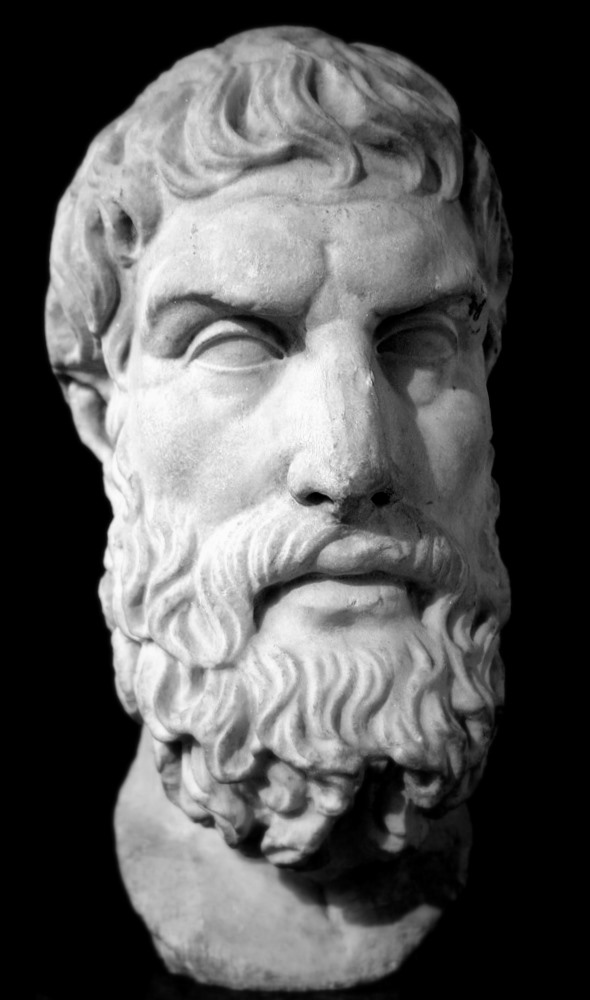


Core teachings and metaphysics
At its metaphysical heart Epicureanism adopted an atomic picture of the world: everything is composed of indivisible particles and void. This atomism traces back to earlier thinkers such as Democritus and was refined by Epicurus and his followers to explain natural phenomena without invoking divine intervention. Because the cosmos operates by natural laws, Epicureans rejected superstitious fears about gods and omens and denied that deities govern daily life. Many secondary descriptions call this materialism; contemporary summaries often label the school a form of materialist philosophy.
Ethics: pleasure, pain, and the good life
Epicurean ethics identifies pleasure as the starting point for evaluating actions, but it defines the highest good as freedom from pain (aponia) and disturbance (ataraxia). This leads to a distinctive practical program: cultivate simple, sustainable pleasures; avoid excesses that bring future pain; and reduce irrational fears, especially about death and divine retribution. The aim is not constant sensory excess but a stable state of contentment.
- Prudence: choosing actions that maximize lasting tranquility rather than momentary gratification.
- Temperance: moderation in desires, particularly appetites and passions.
- Friendship and reflection: social bonds and philosophical study as key sources of security and joy.
Practices and everyday guidance
Practical advice from Epicurean writings encourages modest living: enjoy simple foods, cultivate dependable friendships, and avoid political entanglements that disturb peace of mind. While Epicureanism recognizes bodily pleasures such as food and sex, it famously counsels restraint when such pleasures create anxiety or future harm. This attitude can resemble asceticism in practice, though its goal is pleasurable freedom rather than self-denial for its own sake.
History, spread, and rivals
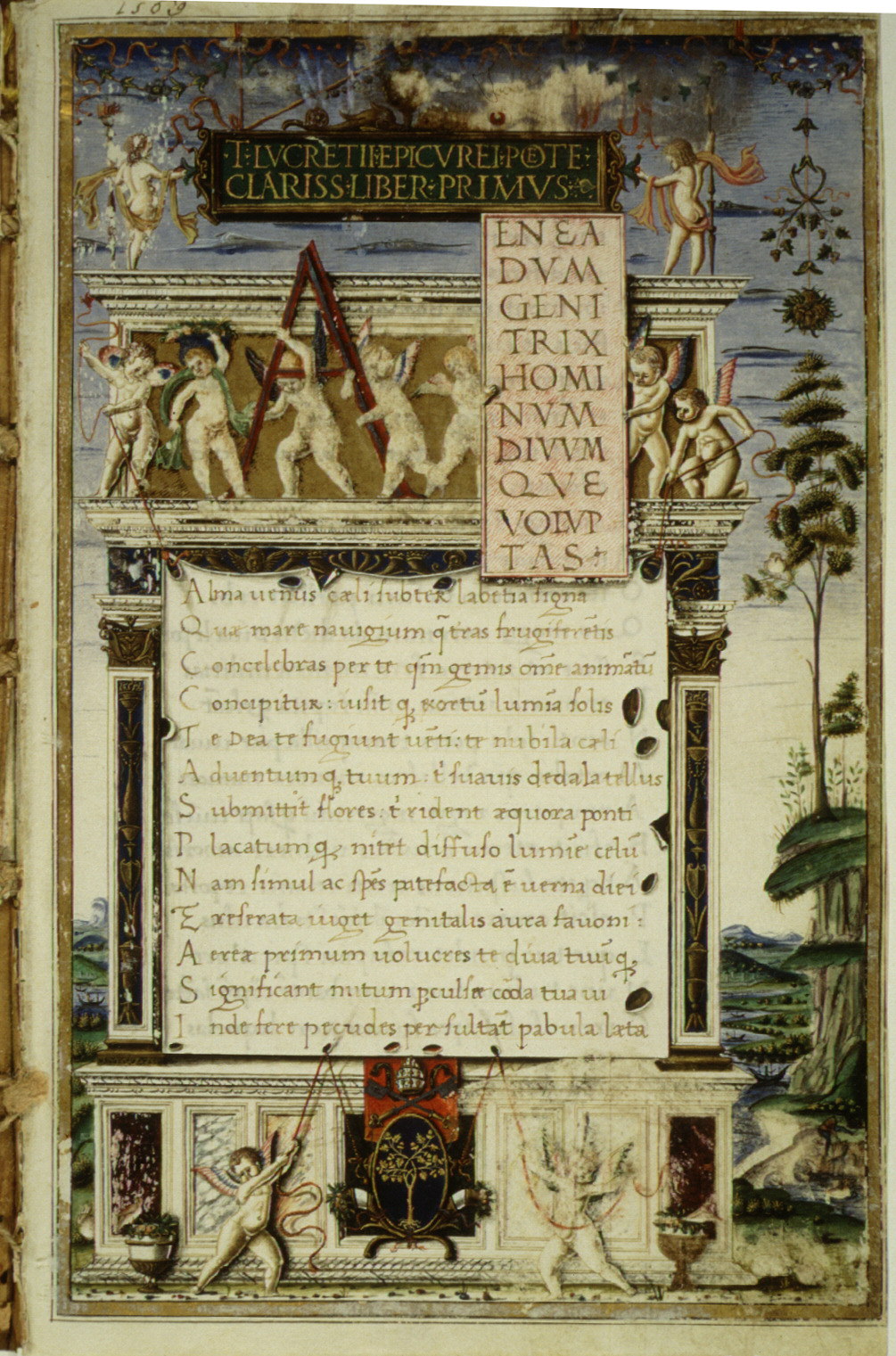
Epicurus established a school known as the Garden in Athens around 307 BCE. His movement spread through the Hellenistic world and the Roman world, maintaining communities and teaching in cities such as Antiochia, Alexandria, and Rhodes. In Rome, the poet Lucretius became the most famous Epicurean advocate through his didactic poem that expounded the school's atomism and ethics. Over time Epicureanism became a principal rival to schools such as Stoicism, particularly on questions of how to achieve a tranquil life. With the rise of Christianity and changing intellectual climates, institutional Epicurean communities declined during the late Roman Empire.
Texts, archaeology, and modern reception
Some fragments and letters attributed to Epicurus survive and provide direct insight into his methods and recommendations. A major source for Roman Epicurean thought is Lucretius's poem, and substantial papyri discovered at the Villa of the Papyri in Herculaneum preserve works by Epicurean authors such as Philodemus. Interest in Epicurean ideas renewed in the early modern period when atomist arguments were taken up by thinkers like Pierre Gassendi and influenced debates in natural science and secular ethics.
Distinctions and common misconceptions
Epicureanism is frequently misunderstood as simple indulgence. In fact, it distinguishes short-lived sensory pleasures from the deeper, more stable pleasures of freedom from fear and pain. The doctrine rejects supernatural dread—attacking superstition—and offers a careful calculus of choices where one weighs immediate gratification against potential consequences such as future pain or increased desire (lust).
Further reading and resources
- Introduction to Epicureanism
- Life of Epicurus
- Materialist perspectives
- Democritus and early atomists
- Critiques of superstition
- On pleasure in ancient ethics
- Fear and psychological freedom
- Pain and aponia
- Hedonism compared
- Bodily desire and restraint
- Ascetic practices contrasted
- Desire and its consequences
- Stoicism and opposition
- Epicurean communities in Antiochia
- Alexandrian Epicureans
- Rhodes and Hellenistic schools
- Lucretius: On the Nature of Things
- Herculaneum papyri and archaeological finds
For a concise grasp of Epicurean aims: prioritize the reduction of pain and fear, cultivate friendships and thoughtful moderation, and ground beliefs in observations of nature rather than in superstition.
Questions and answers
Q: Who was Epicurus?
A: Epicurus was a materialist philosopher who lived around 307BC and taught about atoms, which had been first started by Democritus. He also forcefully attacked superstition and believed that the greatest good was to have certain pleasures and reach a state of mind where there is no fear or pain.
Q: What is Epicureanism?
A: Epicureanism is a philosophy based on the teachings of Epicurus. It is a form of hedonism that declares pleasure as the only good, advocating for the absence of pain as the greatest pleasure and living a simple life.
Q: How did Epicurus view bodily desires?
A: According to Epicurus, one should abstain from bodily desires such as sex and appetites, almost like asceticism. He argued that when eating, one should not eat too richly in order to avoid dissatisfaction later on. Likewise, sex could lead to increased lust and dissatisfaction with the sexual partner.
Q: What were some of the main opponents of Epicureanism?
A: The main opponents of Epicureanism were Platonism and Stoicism.
Q: Did Epicurus articulate any social morality?
A: No, he did not articulate any broad system of social morality that has survived today.
Q: Where can we find writings by Epicurus today?
A: Some writings by Epicurus have survived today; additionally, many papyrus scrolls unearthed at Villa dei Papiri in Herculaneum are thought to be written by him or his follower Philodemus. The poem On the Nature of Things by Lucretius also presents core arguments and theories from his teachings.
Related articles
Author
AlegsaOnline.com Epicureanism: the philosophy of pleasure, tranquility, and atomism Leandro Alegsa
URL: https://en.alegsaonline.com/art/31703