
Epistle to the Philippians
A concise guide to the New Testament letter Paul wrote to the Christian community in Philippi: authorship, context, structure, major themes (joy, humility, Christology) and its lasting influence.
The Epistle to the Philippians is a short New Testament letter traditionally attributed to the Apostle Paul. It addresses the Christian community in the city of Philippi and is valued for its warm tone, personal details, and theological depth. Many scholars place its composition during one of Paul's imprisonments, commonly dated to around AD 60–62, though exact circumstances are debated. New Testament readers often turn to this epistle for its blend of pastoral care and high Christological reflection.
Image gallery
9 Images


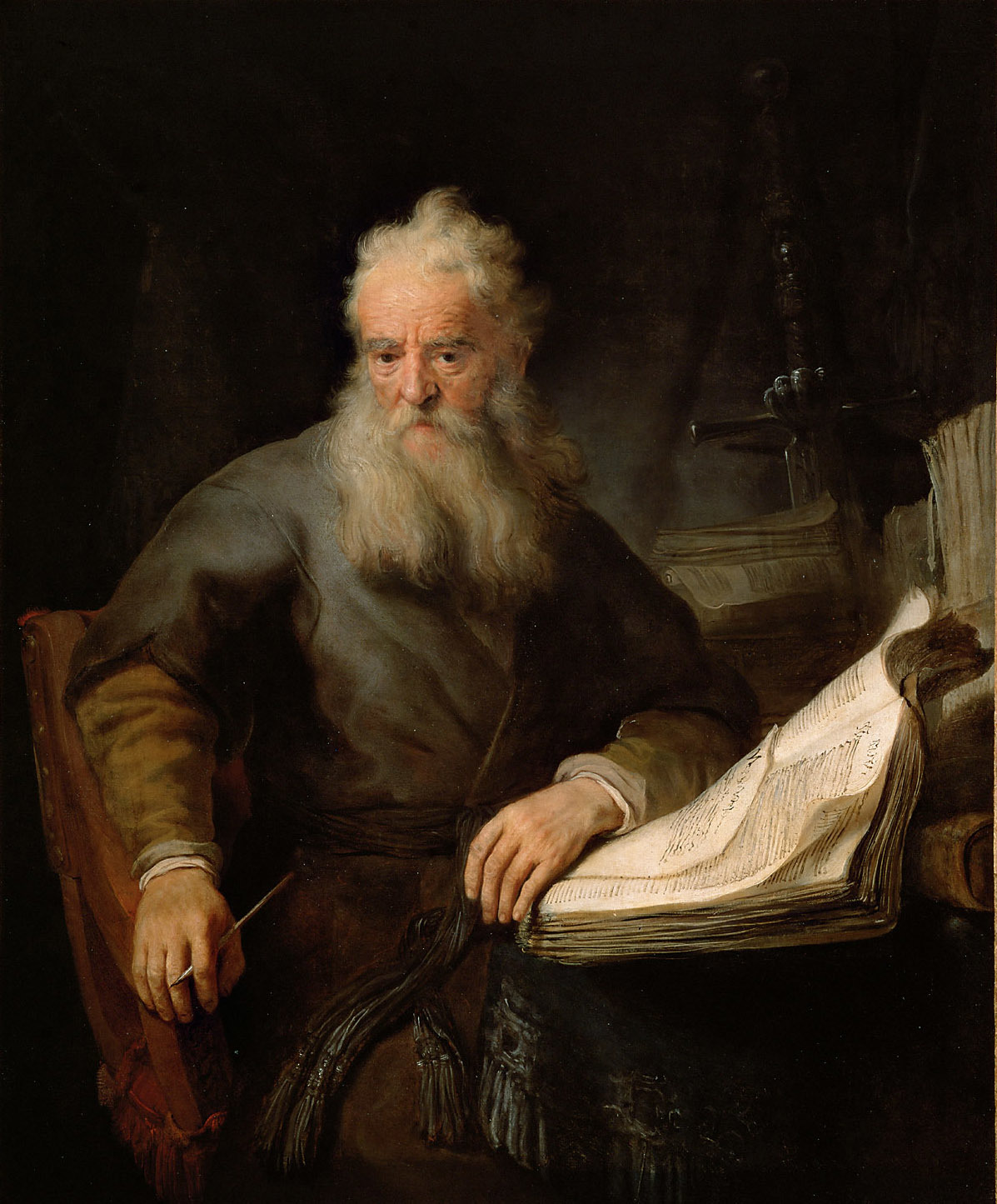


Authorship and historical context
The letter claims Paul as its author and was sent to a congregation in Philippi, a Roman colony in Macedonia. The text mentions specific individuals and events that suggest close personal bonds between Paul and the Philippians. It is typically grouped with other "prison epistles," and its references to confinement and to a messenger carrying the letter link it to a particular episode in Paul's ministry. Philippi figures as both a strategic and emotional setting for the correspondence.
Although brief, the epistle follows common ancient letter conventions: greeting, thanksgiving, body instructions, and personal closing remarks. It also functions as a mixture of theological reflection, moral exhortation, and pastoral encouragement. The letter was written as an actual letter rather than a treatise, which helps explain its conversational and immediate style.
Main themes and content
Key themes include joy in the face of suffering, unity and humility within the Christian community, and an exalted view of Christ. Paul repeatedly urges rejoicing and steadfastness. He emphasizes humility as the foundation of communal life and offers a memorable early Christological passage that has been widely discussed for its portrayal of Jesus' self-emptying and exaltation.
The epistle also contains practical advice—encouragement to resolve conflicts, warnings about false teachers, and examples of faithful partners in ministry. Personal notes about Paul's circumstances and his appreciation for the Philippians' support make the letter unusually intimate. A trusted companion is named as the one who delivered help and news from the community back to Paul while he was under confinement. Imprisonment shaped the tone and urgency of the message.
Structure and notable passages
- Opening salutation and thanksgiving
- Exhortations on unity, humility, and ethical living
- The Christological passage often called the "hymn" or a poetic reflection
- Personal remarks, travel news, and final greetings
The Epistle to the Philippians continues to be read in liturgy, studied for its theology of joy and humility, and cited in discussions of early Christian Christology. For congregations and scholars alike, it remains a primary source for understanding Paul's pastoral approach and the life of an early Christian community. Letter collections and commentaries regularly treat Philippians as a model of pastoral warmth combined with doctrinal clarity. New Testament introductions often highlight its influence, and historical studies reference Philippi as a key location. The circumstances of Paul's detention continue to inform interpretations of the epistle.
Related articles
Author
AlegsaOnline.com Epistle to the Philippians Leandro Alegsa
URL: https://en.alegsaonline.com/art/31756