
Epistle to Philemon: Overview, Themes, and Historical Context
A concise introduction to the Epistle to Philemon: authorship, date, contents, principal themes (forgiveness, reconciliation, social relations), and its reception in Christian tradition.
Overview
The Epistle to Philemon is a short personal letter in the Christian canon traditionally attributed to the Apostle Paul and addressed to a Christian named Philemon. Placed near the end of the New Testament, it stands out for its intimate tone and practical concern. In the Greek text it is among Paul's shortest letters, often noted for occupying only a few hundred words. For its canonical placement and broader background see the Christian Bible.
Image gallery
6 Images


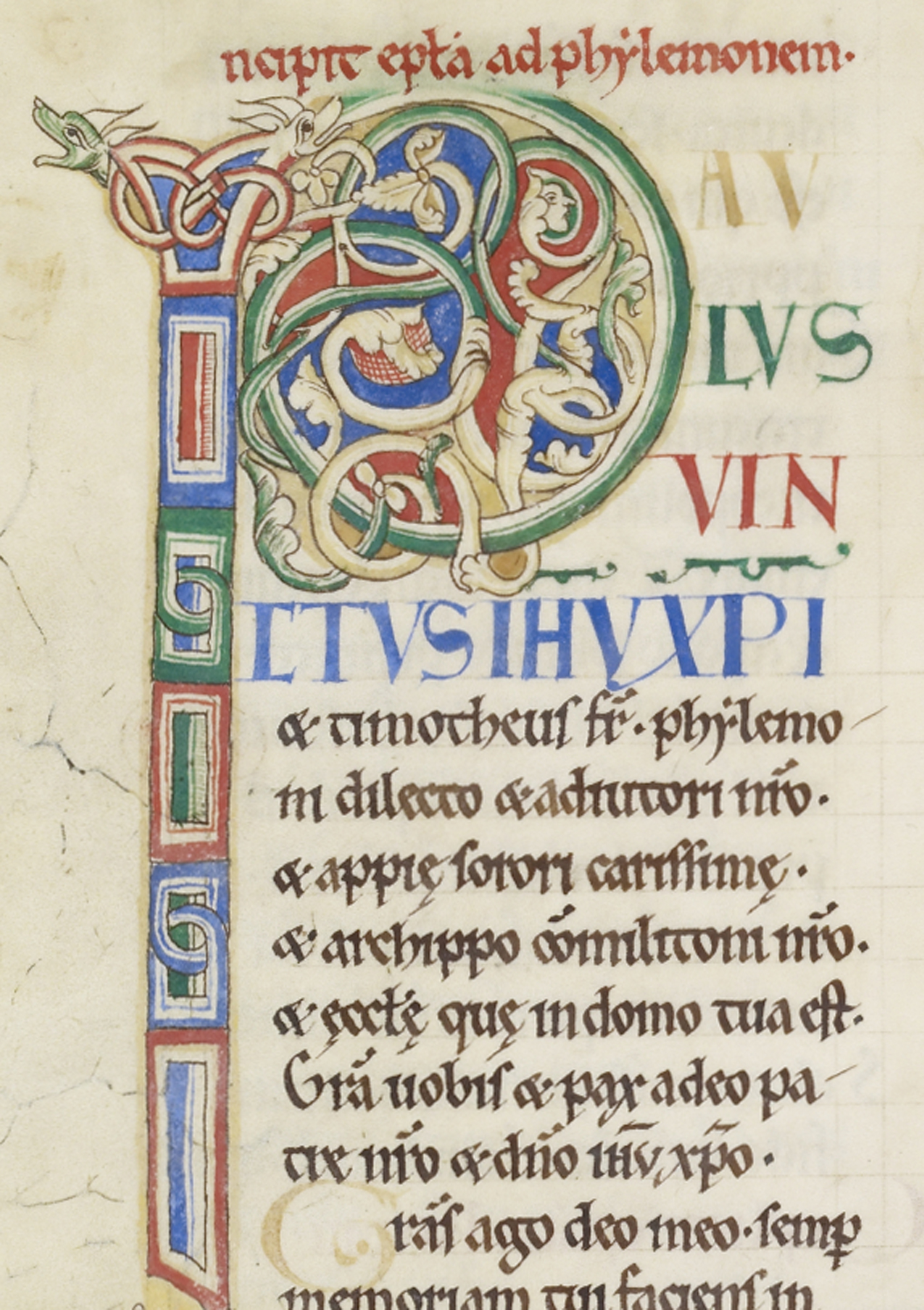


Authorship and date
Most scholars accept Pauline authorship on the basis of style, vocabulary, and the strongly personal details contained in the letter. The epistle is commonly dated to Paul's period of imprisonment in Rome, often placed in the early 60s AD, though exact dating remains debated. The letter’s personal signatures and mentions of companions contribute to its close association with the apostolic circle.
Historical setting and recipients
Philemon appears to be written to an individual who hosted a house congregation; the text names Apphia and Archippus and refers to the community that met in Philemon’s home. The immediate occasion is the situation of Onesimus, a man who had been associated with Philemon and who met Paul while Paul was confined. The letter is a personal appeal on behalf of Onesimus and reflects the social realities of households, patronage, and dependent labor in the Roman world.
Contents and main themes
Paul’s central request asks Philemon to receive Onesimus not merely as a returning servant but as a beloved brother in Christ, a change of relationship rooted in the Christian conviction of shared identity. Key themes include mercy, forgiveness, reconciliation, the ethical transformation of social relationships, and the exercise of pastoral mediation. The short letter models a noncoercive approach to conflict resolution grounded in personal appeal and reciprocity.
Structure and literary features
- Opening greeting and thanksgiving
- Personal narrative and the transformation of Onesimus
- Paul’s appeal for reconciliation and offer to make restitution
- Concluding greetings and instructions
The epistle’s brevity, conversational tone, and specific names give it the character of a private appeal rather than a theological treatise, though it has been read theologically for its implications about Christian identity and community life.
Reception, interpretation, and legacy
Throughout history Philemon has been cited in debates about slavery, social obligation, and the limits of ecclesial influence on social structures. Interpretations vary: some read the letter as promoting a humane, reconciliatory ethic within existing social orders, while others see it as carrying implicit radical potential for reordering relations within communities of faith. It has also been studied as a model of pastoral correspondence and conflict mediation.
Manuscripts and canonical context
Philemon is transmitted in early manuscript collections of Paul’s letters and is placed among the Pauline corpus. Its short length has made it easy to include in canonical lists, and it is typically grouped with the other letters to individuals in discussions of Paul’s pastoral practice. For canonical context consult the New Testament.
Further study
Writers and scholars interested in Paul’s social world, early Christian ethics, or the history of the Pauline letters will find Philemon instructive. Overviews and collections treating authorship, historical setting, and reception can be found in standard resources on Pauline studies and in focused treatments of the letter itself; for introductory material and edited collections see resources listed under Philemon.
Related articles
Author
AlegsaOnline.com Epistle to Philemon: Overview, Themes, and Historical Context Leandro Alegsa
URL: https://en.alegsaonline.com/art/31751