
Emily Brontë — English novelist and poet
Emily Brontë (1818–1848), English novelist and poet, author of Wuthering Heights. Known for intense themes, solitary life at the Haworth Parsonage, and the joint poetry volume published under male pseudonyms.
Overview
Emily Jane Brontë was an English novelist and poet who produced a small but powerful body of work before her early death at age 30. She is best known for the single novel Wuthering Heights, published in 1847, and for the poems she contributed to a joint volume released under the Bell pseudonyms. Often described simply as an author and a writer, she also earned recognition as a poet for the intensity and originality of her verse.
Image gallery
10 Images


Life and family
Emily Brontë was born in Thornton, in the West Riding of Yorkshire, and grew up at the Haworth Parsonage where her father served as clergyman. Her family—most notably her sisters Charlotte and Anne—are among the best known literary siblings in English letters, and their brother Branwell pursued painting and writing. The Brontë children developed a close imaginative life together, creating stories, poems and fictional worlds. Emily spent most of her adult life in the Yorkshire parish rather than seeking a public career.
Wuthering Heights and themes
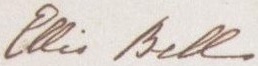
Emily’s novel Wuthering Heights stands apart for its unconventional structure, passionate characters and stark moorland setting. Published under the male pen name Ellis Bell, it explores love, revenge, social constraint, and the influence of landscape on temperament. The book’s narrative layers, dark emotional energy and moral ambiguity initially puzzled many contemporary reviewers but have since made it a central work in the English canon.
Poetry and style
Before the novel appeared, Emily and her sisters jointly issued a small collection titled Poems by Currer, Ellis and Acton Bell (1846); in that book Emily was represented by the pseudonym Ellis Bell and contributed pieces included in later anthologies and scholarly studies. The volume itself is often referenced simply as the joint poetry collection. Her poems are notable for compressed language, intense emotional focus, and an often mystical rapport with the natural world.
Reception, death and legacy
Initial reactions to Emily’s work ranged from bafflement to admiration; the public and critical appreciation of Wuthering Heights grew steadily after her death. She died on 19 December 1848 in Haworth at the age of 30, officially from tuberculosis. Today she is widely taught and read in England and internationally, and her influence can be traced across later literature that prizes psychological depth and elemental settings.
Notable facts and further reading
- She published only one novel but left a lasting literary reputation.
- Her birthplace, Thornton, and the family home at Haworth are often visited by readers and scholars.
- The Brontë siblings first drew wider attention by issuing work under the anonymous names Currer (Charlotte), Ellis (Emily) and Acton (Anne); their collaborative publication helped launch each sister’s career.
- Biographical and critical resources about her life and writings remain the subject of ongoing scholarship; for general overviews consult standard literary surveys and editions of her work listed here.
Emily Brontë’s concentrated output, intense imagination and the dramatic setting of the Yorkshire moors continue to attract readers and critics, securing her position as one of the major figures of nineteenth‑century English literature. For introductions to her life and texts, see editions and discussions referenced by scholars and major libraries here and here; archival materials and local histories for Haworth and the Brontë family appear in regional collections and here. Additional detailed bibliographies and research guides are available elsewhere and in academic catalogs online and in print resources. More comprehensive scholarly introductions can be found through university library portals and national literary archives which list manuscripts, letters and contemporaneous accounts of the Brontë family. For modern criticism and reading guides see collections indexed here and historical notes on health and nineteenth‑century disease contexts here.
Related articles
Author
AlegsaOnline.com Emily Brontë — English novelist and poet Leandro Alegsa
URL: https://en.alegsaonline.com/art/31172
Sources
- britannica.com : "Emily Brontë"