
Charlotte Brontë
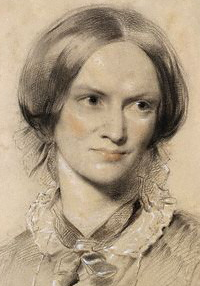
Charlotte Brontë (1816–1855), English novelist and poet best known for Jane Eyre; wrote under the pseudonym Currer Bell and explored gender, morality and social class in Victorian fiction.
Overview
Charlotte Brontë was an English novelist and poet whose work helped shape Victorian fiction. Born in 1816 and dying in 1855, she emerged from a remote parsonage in Yorkshire and—together with her sisters—published under assumed names to avoid immediate prejudice. Her most famous novel, Jane Eyre (1847), combines a personal moral drama with social critique and remains widely read and adapted.
Image gallery
8 Images


Life and literary beginnings
Charlotte was one of six children in the Brontë family; losses in childhood and a sheltered upbringing at the parsonage influenced her imagination. In 1846 she and her sisters released a volume titled Poems by Currer, Ellis, and Acton Bell. The three initially used the Currer Bell, Ellis and Acton Bell pseudonyms when presenting their writing, seeking to have their work judged without immediate gender bias. Early fiction, including Charlotte's first completed novel The Professor, struggled to find a publisher and did not reach print until after her death.
Major works and themes
Charlotte's fiction often focuses on individual conscience, moral growth, class barriers and the constraints placed on women. Her principal novels include:
- Jane Eyre (1847) — a bildungsroman centring on a strong-minded governess and her complex relationship with Mr. Rochester.
- Shirley (1849) — set against industrial unrest, it examines work, gender roles and social change.
- Villette (1853) — drawing on Charlotte's experiences abroad, it explores isolation and unsteady identity.
- The Professor — written earlier but published posthumously (1857), showcasing a different setting and tone.
Style and critical reception
Brontë's prose is notable for its psychological intensity, moral seriousness and use of first-person narration to convey inner life. Contemporary readers praised the emotional power of her work, while critics and later scholars have examined its handling of gender, religion and autonomy. Her novels mix gothic elements, social observation and personal confession in a way that influenced later realist and feminist readings of nineteenth-century literature.
Later life and legacy
Charlotte continued to write and revise until her death in 1855. She married Arthur Bell Nicholls shortly before her final illness; she died while pregnant, at the age of thirty-eight, a loss that cut short a prominent literary career. Brontë's works remain central to studies of Victorian literature and continue to be adapted across media. Her life and the creative partnership with her sisters—Emily and Anne—are frequent subjects of biography and cultural discussion. For more on her life and works, see introductions and bibliographies at specialist sites and collections of her letters and novels (further reading).
Notable facts: she initially published poetry with her sisters, her first novel was rejected in her lifetime, and her best-known book quickly became a commercial and critical success. Brief biographies, critical essays and reliable editions of her novels provide accessible entry points for readers wishing to explore her writing and the historical context in which it was produced. For archival materials and scholarly resources, consult dedicated online repositories and library collections (research links).
Questions and answers
Q: Who was Charlotte Brontë?
A: Charlotte Brontë was an English novelist and poet.
Q: Under what name did Charlotte Brontë first publish her works?
A: Charlotte Brontë first published her works under the pseudonym (false name) of Currer Bell.
Q: Did the poems published by Charlotte Brontë and her sisters sell well?
A: No, the poems published by Charlotte Brontë and her sisters did not sell well.
Q: Was Charlotte Brontë's first novel, The Professor, immediately published?
A: No, Charlotte Brontë's first novel, The Professor, was rejected by many publishers and was not printed until 1857.
Q: For which novel is Charlotte Brontë famous?
A: Charlotte Brontë is famous for her novel Jane Eyre, which was very popular when it was printed.
Q: What is Jane Eyre about?
A: Jane Eyre is a strong story of a plain, brave, clever woman struggling with her passions, reasons, and social condition.
Q: How old was Charlotte Brontë when she died?
A: Charlotte Brontë was only 38 when she died in pregnancy.
Tags
Related articles
Author
AlegsaOnline.com Charlotte Brontë Leandro Alegsa
URL: https://en.alegsaonline.com/art/116292