
Emily Greene Balch: American pacifist, sociologist, and Nobel Peace Prize laureate
Emily Greene Balch (1867–1961) was an American sociologist, economist, educator and leading pacifist. A founder and leader in international women's peace work, she shared the 1946 Nobel Peace Prize.
Overview
Emily Greene Balch (1867–1961) was an American social scientist and international pacifist who combined scholarship with long‑term advocacy for peace, disarmament and refugee relief. She is best known for her leadership in organized women's peace movements and for sharing the 1946 Nobel Peace Prize with John Raleigh Mott. Her career spanned scholarship, public writing and sustained work with international organizations addressing war, refugees and cooperation among nations.
Image gallery
2 Images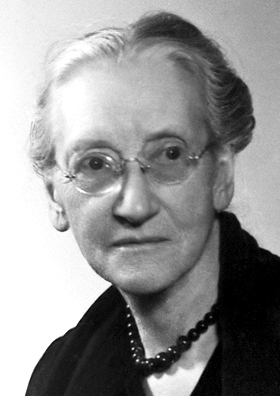

Background and career
Trained in social and economic subjects, Balch brought analytical attention to social conditions and international problems. Over decades she wrote essays and reports aimed at both academic and public audiences and worked to translate research into policy proposals. Her professional life blended teaching, editorial work and practical involvement in relief and humanitarian initiatives, reflecting a belief that informed evidence should guide public efforts for peace.
Activism and organizations
Balch was a prominent figure in the international women's peace movement. She helped build networks that linked national and transnational activism, seeking to make women’s voices central to discussions of war prevention and international law. Her organizational work emphasized nonviolent solutions, humanitarian assistance for victims of conflict and the importance of international institutions for preventing future wars. For much of her life she worked alongside activists, scholars and policymakers to shape public debate.
Nobel Peace Prize (1946)
In 1946 Emily Greene Balch was awarded the Nobel Peace Prize jointly with John Raleigh Mott in recognition of long and determined service to the cause of peace. The prize acknowledged both her intellectual contributions and decades of practical activism on behalf of disarmament, international cooperation and relief for refugees displaced by conflict. The award made her one of the early women to receive the Nobel Peace Prize and highlighted the role of organized civil society in peacebuilding.
Legacy and significance
Balch’s legacy rests on integrating scholarship with activism: she used research to inform advocacy, and she championed institutional solutions to recurrent international problems. Her work helped establish women's organized peace efforts as a durable force in twentieth‑century international life and inspired later generations involved in conflict prevention, humanitarian aid and international law. Today she is remembered as a bridge figure between academic study and sustained public engagement for peace.
Further reading and references
Related articles
Author
AlegsaOnline.com Emily Greene Balch: American pacifist, sociologist, and Nobel Peace Prize laureate Leandro Alegsa
URL: https://en.alegsaonline.com/art/31178