
Wuthering Heights — novel by Emily Brontë
Gothic novel by Emily Brontë, first published in 1847 as 'Ellis Bell'. Set on the Yorkshire moors, it explores passionate love, revenge and class through a layered, framed narrative.
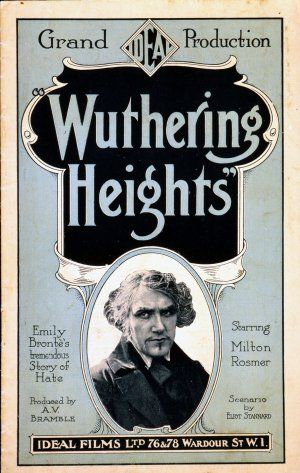
Wuthering Heights is a single novel by Emily Brontë, originally published in 1847 under the pseudonym Ellis Bell. The book is set on the bleak moorland of northern England and follows the intertwined lives of two households. Its title names the storm-lashed farmhouse around which the central drama unfolds. Readers and critics regard it as a major work within English literature.
Image gallery
10 Images


Overview and structure
The story is told through a framed narrative: an outsider tenant records local accounts, and a long-time servant relays earlier events. This double perspective shapes the reader's experience of events and moral ambiguity. The plot centers on the complex, destructive relationship between Heathcliff and Catherine Earnshaw and the consequences that touch the next generation.
Characters and setting
- Heathcliff — an orphan taken into the Earnshaw family, whose love for Catherine becomes an obsessive force.
- Catherine Earnshaw — spirited and willful, torn between social aspiration and passionate attachment.
- Secondary figures include servants and heirs who continue the novel's cycles of resentment and reconciliation.
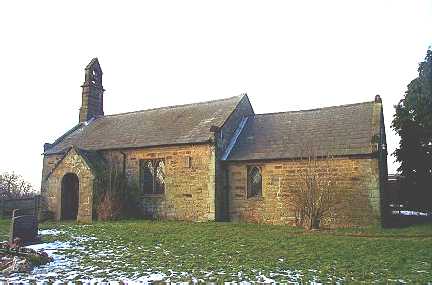
The moorland setting, often described as wild and elemental, functions almost like a character itself. The physical landscape underscores themes of isolation, freedom and the limits of social order; it is typically associated with the Yorkshire region where Brontë lived, and the novel's atmosphere draws heavily on that environment.
History, publication and reception
First printed under a male pseudonym, the novel surprised contemporary readers with its intensity and moral complexity. After the author's death, the work reached wider readerships through new editions; one early revision was prepared by her sister Charlotte. Over time the book moved from mixed Victorian reception to canonical status and widespread scholarly attention.
Themes, adaptations and legacy
Major themes include passionate but destructive love, revenge, social class tensions and the interplay of nature and nurture. Its unconventional heroes and bleak moral landscape have inspired numerous adaptations for stage, film and television, as well as responses in other arts. Musicians and writers have drawn on its imagery; notably, the song "Wuthering Heights" by Kate Bush brought renewed popular interest. The novel's setting in Yorkshire and its place in broader literary history are frequently discussed in surveys of English literature.
For readers approaching the book today, it remains striking for its emotional force, narrative complexity and ambiguous moral vision. Those seeking editions or further commentary can consult bibliographies and critical introductions to learn about its composition and subsequent editorial history, including original publication details often summarized in reference guides to Wuthering Heights.
Related articles
Author
AlegsaOnline.com Wuthering Heights — novel by Emily Brontë Leandro Alegsa
URL: https://en.alegsaonline.com/art/109289