
West Riding of Yorkshire
Historic northern subdivision of Yorkshire, England; an administrative county 1889–1974 whose territory now lies mainly in West and South Yorkshire and parts of other modern counties.
Overview
The West Riding of Yorkshire was one of the three historic divisions — or "ridings" — of the county of Yorkshire in England. The word "riding" derives from an Old Norse term meaning a third part, reflecting how the county was traditionally split into North, East and West sections. As a recognizable territorial unit it survived for centuries and continued in formal administrative use from the late 19th century until the local government reorganisation of the 1970s. Its lieutenancy historically included the City of York, and the area has left a strong imprint on regional identity and place names.
Image gallery
10 Images




Geography and principal places
The West Riding covered a variety of landscapes: from the Pennine hills and moorlands in the west and north, through deeply incised river valleys and industrialized lowlands, to agricultural tracts in the east. Major rivers crossing the Riding included tributaries of the Ouse and Derwent systems, and upland watercourses that feed into the Irish Sea.
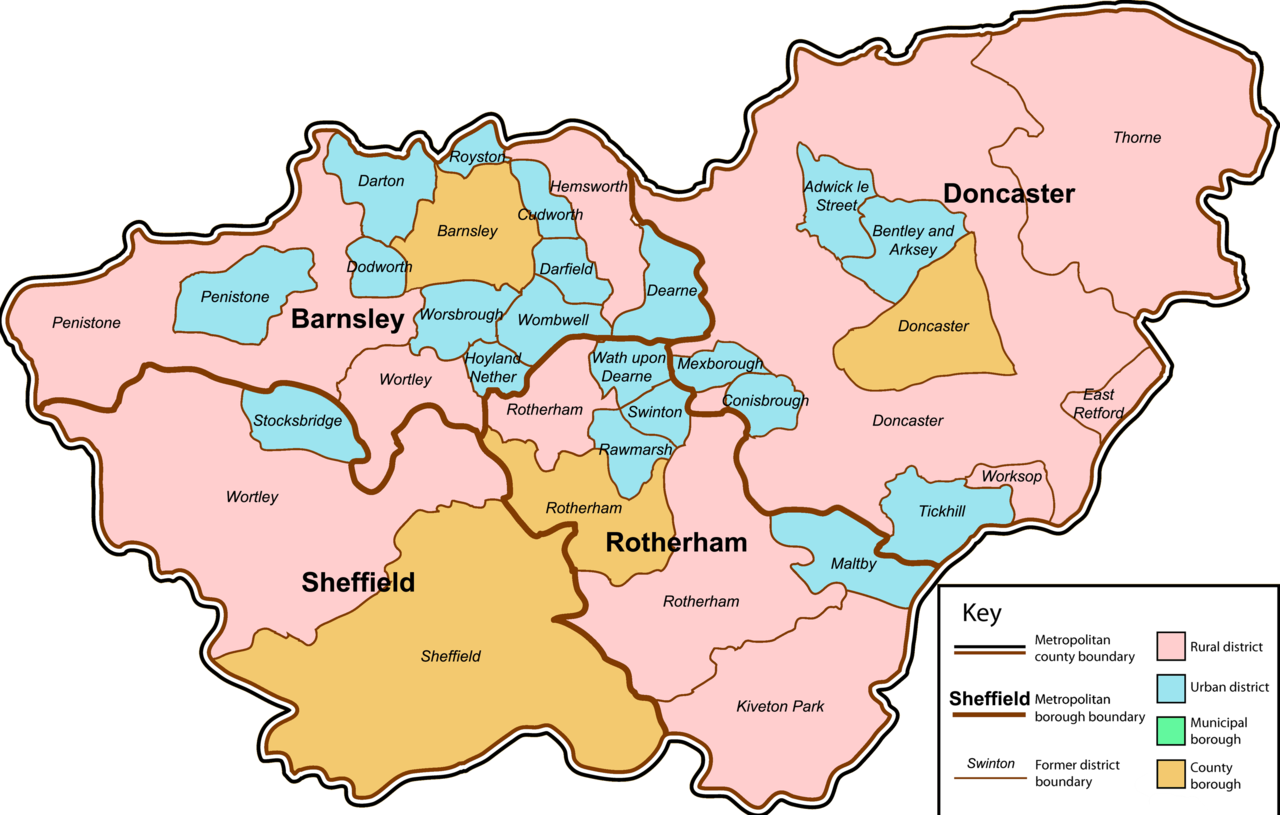
- Large urban centres that were historically within the Riding include Leeds, Bradford, Huddersfield, Halifax, Wakefield and Sheffield.
- Towns and districts now associated with other modern counties but once in the West Riding include Harrogate and Selby, and parts of Craven.
Administrative history
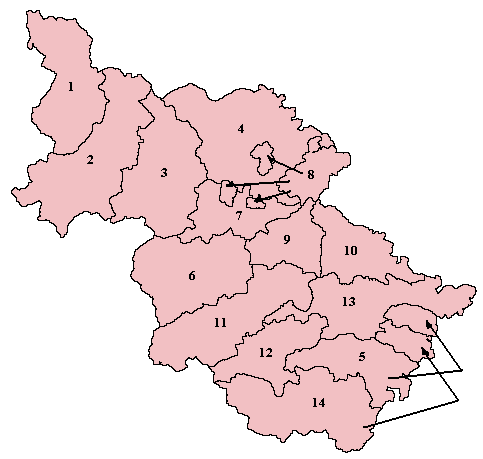
As a historic division the West Riding had medieval origins and served as a basis for local administration, courts and militia. In 1889 it became the County of York, West Riding for local government purposes, with an elected county council created to manage functions such as education, roads and public health. That administrative county existed until the nationwide reorganisation enacted in 1974, when much of its territory was redistributed.
After 1974 the bulk of the former West Riding became part of the modern ceremonial counties of West Yorkshire and South Yorkshire, while other parts were transferred to the districts of North Yorkshire (including areas such as Craven, Harrogate and Selby) or moved into neighbouring counties such as Lancashire, Cumbria, Greater Manchester and, from 1996, the unitary East Riding of Yorkshire.
Economy and cultural importance
The West Riding became one of Britain’s industrial heartlands during the 18th and 19th centuries. Textile manufacture — particularly woollen cloth — dominated many towns, while coal mining, engineering and the steel and cutlery trades (notably in Sheffield) were also prominent. Canals, later railways and improved roads linked mills, mines and ports and helped shape urban growth. The region has a rich industrial archaeology and a strong tradition of local dialects, civic institutions and cultural expression rooted in the Riding’s communities.
Legacy and distinctions
Although the formal administrative West Riding no longer exists, the name survives in historical studies, family history research, place names and some institutional titles. The Riding concept is largely unique to Yorkshire in England and remains a useful way to describe historical boundaries and identities that differ from today’s county map. For further reading on the historic divisions and how they relate to present-day counties see local archives and regional histories linked through county and city resources.
Relevant resources and entries: Yorkshire overview, England, administrative county 1889–1974, City of York, West Yorkshire, South Yorkshire, Harrogate, Selby, North Yorkshire, Lancashire, Cumbria, Greater Manchester, East Riding of Yorkshire.


Related articles
Author
AlegsaOnline.com West Riding of Yorkshire Leandro Alegsa
URL: https://en.alegsaonline.com/art/107445