
Emblem: Visual symbols, history, and cultural meanings
An emblem is a pictorial device — abstract or representational — used to convey ideas, identities, moral truths, or allegories. This article explains forms, history, uses, and distinctions.
Overview
An emblem is a pictorial image, either abstract or representational, chosen to stand for an idea, quality, person or group. Emblems operate as visual shorthand: they can indicate a concept, suggest a moral truth, or embody an allegory. Unlike plain ornament, an emblem expects interpretation; its components — shape, color, and associated motto or story — combine to deliver meaning.
Image gallery
8 Images



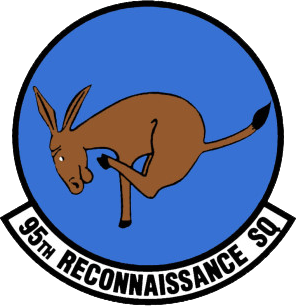



Characteristics and components
Typical emblems combine imagery with context. They may include animals, plants, tools, geometric forms, a shield or motto and often rely on conventional associations: a lion for courage, an olive branch for peace. Emblems can represent an office holder such as a king or a religious figure like a saint, with attributes that identify and summarize their role.
History and notable examples
The use of emblems is ancient and cross-cultural. In medieval and early modern Europe, heraldry codified many emblematic devices for families and institutions; later, emblem books paired short verses with pictures to teach moral or political lessons. A familiar example is the scallop: the scallop shell became associated with pilgrims to Santiago de Compostela, worn to signal the journey and the saintly patronage that made the pilgrimage sacred.
Uses and contemporary importance
Emblems remain central to identity and communication. Nations adopt emblems as coats of arms to express history and values; organizations and corporations create emblematic logos to convey mission and trust. Religious orders, universities, clubs, and military units continue to rely on emblematic imagery to summarize lineage and ideals.
Distinctions and common confusions
- Emblem vs symbol: A symbol is any sign with shared meaning; an emblem is a composed image that often carries a narrative or conventional explanation.
- Emblem vs logo: Logos are designed for recognition and branding in commercial contexts; emblems may be older and more allegorical.
- Emblem vs coat of arms: Coats of arms are a formalized heraldic subset of emblems with strict rules and inheritance.
Understanding emblems means reading images as statements about belief, authority, or identity. Whether carved, painted, stamped or digitized, emblems condense complex associations into simple, repeatable signs that guide recognition and convey cultural meaning.
Related articles
Author
AlegsaOnline.com Emblem: Visual symbols, history, and cultural meanings Leandro Alegsa
URL: https://en.alegsaonline.com/art/31083
Sources
- askoxford.com : [[Oxford English Dictionary]] (OED2)