
Allegory: Definition, Forms, History, and Uses
An allegory is a narrative or image that uses characters and events as symbols to express abstract ideas or moral, political, or spiritual meanings. This article outlines its features, history, types, and interpretation.
Overview
An allegory is a mode of expression in which people, events, objects, or images in a narrative or artwork stand for broader concepts, values, or ideas. On the surface level it offers a plot or depiction that can be followed literally; on the allegorical level those surface elements correspond to abstractions such as virtues, vices, political forces, religious truths, or philosophical positions. Allegory is a form of figurative expression and is often treated as a kind of extended metaphor or systematic symbolism.
Image gallery
10 Images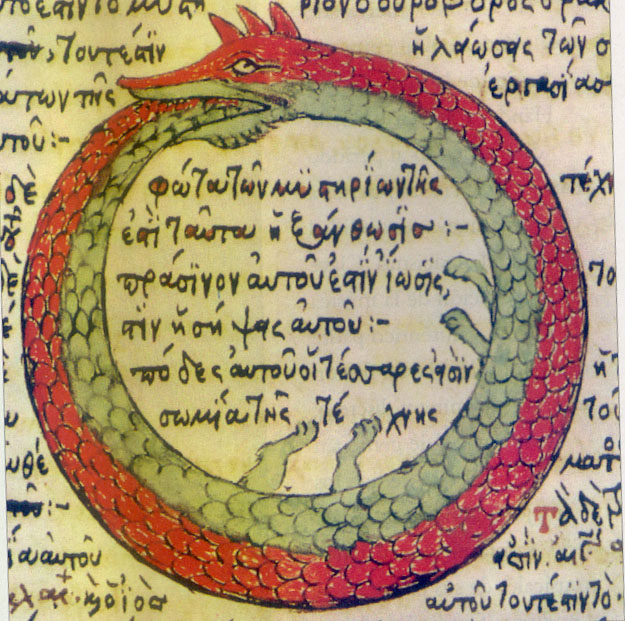


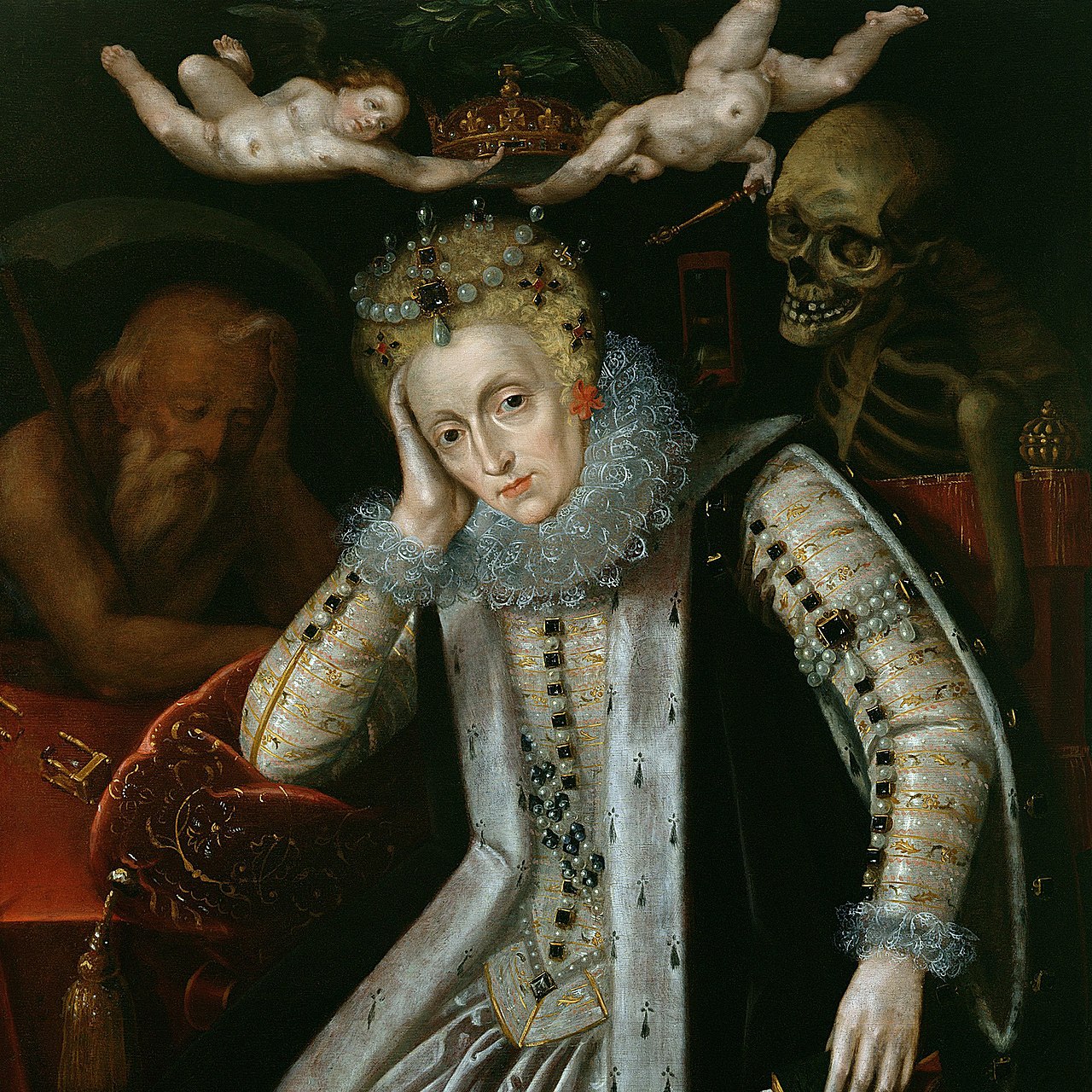


Key characteristics
Common features of allegory include personification of ideas, stable correspondences between narrative elements and the concepts they represent, and an orientation toward teaching, critiquing, or exploring complex themes. Allegorical works frequently allow for multiple layers of interpretation: readers can attend to both the immediate story and the wider meanings suggested by the mapped correspondences. Because allegory relies on shared cultural or symbolic knowledge, interpretation often depends on context.
Forms and related devices
Allegory appears in many forms. Short forms such as the parable and the fable concentrate on a single moral point, while longer narratives can sustain complex symbolic systems across characters and episodes. Visual arts may use personified figures or scenes as emblematic statements, for instance the figure of Justice as a woman holding scales and a sword. Allegory is part of broader rhetorical and literary traditions and overlaps with symbolism, myth, and didactic narrative, but remains distinct in its coherent mapping between two levels of meaning.
Historical development
Allegorical thinking has ancient roots. Classical writers and philosophers used allegory to interpret myths and to communicate philosophical ideas; an often-cited example is Plato’s Allegory of the Cave, which uses a fictional scene to investigate knowledge and reality. In the medieval period allegorical exegesis was widely practiced in religious and literary contexts, where texts and images were read for moral and spiritual meaning. During later periods, from the Renaissance through the modern era, allegory continued to be adapted by poets, dramatists, painters, and novelists to address ethical, spiritual, or political concerns.
Common types and uses
- Religious and moral allegory: designed to instruct or illustrate doctrinal truths or ethical lessons.
- Political allegory: disguises commentary on contemporary power relations or social policies through fictionalized circumstances (for example, satirical allegory).
- Allegory in visual art: using symbolic figures and scenes to communicate ideas about justice, virtue, or fortune; often used in public monuments and decorative programs.
- Philosophical allegory: fictionalized scenarios that dramatize abstract arguments or metaphysical positions.
Interpretation and debate
Interpreting allegory requires attention to the work’s internal correspondences and the cultural, historical, and authorial context. Scholars distinguish between intended allegory, where an author designed the mapping deliberately, and inferred allegory, where readers or critics identify symbolic meanings that the creator may not have intended. This tension echoes broader debates about authorial intent and the authority of different interpretive approaches. Readers should balance close textual evidence with contextual knowledge and be cautious about projecting modern ideologies onto older works (reading practice).
Examples and notable cases
Familiar examples illustrate how allegory functions across media. Aesop’s fables condense morals into short animal tales; John Bunyan’s Pilgrim’s Progress is often cited as a long religious allegory in which characters personify spiritual conditions; political allegory appears in modern satire and fiction. Popular debates about whether certain works are allegorical show how interpretations can vary: some readers find historical or wartime parallels in epic fantasies, while creators may deny intentional allegory (case studies).
Distinctions and further reading
Allegory differs from isolated symbols because it organizes a network of correspondences rather than offering single emblematic signs. It can be concentrated and instructive, but it can also invite multiple readings and critical disagreement. For those who wish to study further, introductions to literary theory and annotated editions of classic allegorical works provide accessible entry points; resources range from general overviews to specific studies of visual programs and short forms (image, visual, general, figurative, comparative).
Questions and answers
Q: What is an allegory?
A: An allegory is a story or picture with a hidden meaning where the characters are symbols that represent particular ideas.
Q: Does an allegory have to be a story in language?
A: No, an allegory can be something to look at, such as a painting or sculpture.
Q: How is an allegory like a long metaphor?
A: An allegory is like a long metaphor because it uses symbols to express ideas beyond their literal meaning.
Q: What is a fable or parable?
A: A fable or parable is a short allegory with one basic idea, usually a moral lesson.
Q: Can stories have meanings that the author did not intend?
A: Yes, sometimes people interpret stories in ways that the author did not intend, and they may change the author's ideas.
Q: What is an example of a book that has been interpreted as an allegory for the World Wars?
A: The Lord of the Rings has been suggested as an allegory for the World Wars, but the author, J.R.R. Tolkien, denied that it was an allegory.
Q: Why do some people change the author's ideas in their interpretation of a story?
A: Some people may change the author's ideas for their own political reasons.
Related articles
Author
AlegsaOnline.com Allegory: Definition, Forms, History, and Uses Leandro Alegsa
URL: https://en.alegsaonline.com/art/2770
Sources
- rhetoric.byu.edu : "Allegory" at Rhetoric.byu.edu