
Santiago de Compostela
Historic city in northwestern Spain, capital of Galicia and terminus of the Way of St. James; known for its cathedral, medieval old town and enduring pilgrimage tradition.
Santiago de Compostela is the principal city and administrative capital of the autonomous community of Galicia and lies in the northwest of Spain. The compact medieval core and its monumental cathedral are internationally recognised for their cultural value and the city's historic role as the destination of a major Christian pilgrimage. The historic centre has been inscribed as a UNESCO World Heritage Site, reflecting its architectural layers and the centuries-old urban fabric that still shapes daily life.
Image gallery
10 Images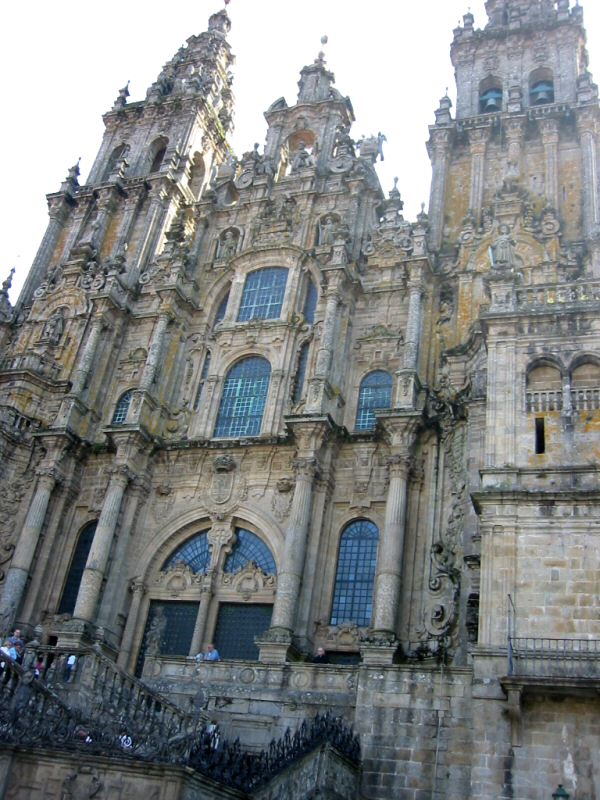


Overview and urban character
The city combines a living university town atmosphere with a preserved medieval centre. Streets radiate toward the Cathedral's Praza do Obradoiro, creating a strong visual and ritual focus. Beyond the old town there are residential neighbourhoods, parks and modern services, but the stone façades, narrow alleys and plazas remain defining features. The University of Santiago de Compostela contributes to cultural life, scholarship and an international student presence, while local traditions, cuisine and language forms connect the city to the wider Galician region.
History and origins
Santiago's importance developed in the early Middle Ages after the discovery — or the tradition of the discovery — of the relics of Saint James the Greater, one of the apostles. The cathedral was established to house these relics and became a major pilgrimage focus by the medieval centuries. Pilgrim traffic helped shape the city's growth, funding religious institutions and hospices, and stimulating artistic and architectural patronage. Over time Santiago absorbed Romanesque, Gothic and Baroque additions, each era leaving visible marks on its buildings and public spaces.
Cathedral, pilgrimage and religious significance
The Cathedral of Santiago de Compostela is the symbolic heart of the city and the terminus of the pilgrimage known broadly as the Way of St. James. Pilgrims follow routes collectively referred to as the Way of St. James (Galician: Camiño de Santiago, Spanish: Camino de Santiago) to reach this shrine. The tradition holds that James, son of Zebedee and one of the apostles, is interred at the site, a belief that inspired devotion from the ninth century onward. The cathedral complex contains important liturgical and artistic elements, including a famed thurible used in major ceremonies and a richly decorated main façade and interior.
Architecture, landmarks and public life
The city's architecture is a palimpsest of styles: Romanesque foundations, Gothic expansions, Renaissance cloisters and Baroque façades coexist. Notable elements include the cathedral's main square, monastic buildings, museum collections and a sequence of churches and plazas that frame processions and civic events. Visitors and residents encounter markets, traditional music, and culinary specialities that reflect Galicia's coastal and rural influences.
Pilgrimage practice and modern relevance
Walkers, cyclists and other travellers undertake the pilgrimage for religious, cultural or personal reasons. Practical aspects of the pilgrimage include the pilgrim credential, waymarks that guide routes, and shelters that offer accommodation along the camino. The city issues the official certificate to those who complete a defined distance on foot or by bicycle. Special jubilees and Holy Years generate increased numbers of visitors and renewed attention to conservation and urban management.
Visiting and notable distinctions
- Heritage status and historic conservation contribute to a strong identity and tourism economy; the old town's layout invites walking visits.
- Cultural institutions such as the university, museums and music venues sustain academic and artistic activity year-round.
- Religious ceremonies and festivals link local customs with the broader European pilgrimage tradition, keeping practices alive while adapting to contemporary needs.
For further reading about Galicia's political status and regional culture, see resources on the autonomous community (Galicia) and its place within Spain (Spain). For details about the cathedral and pilgrimage history consult dedicated guides and institutional pages (Cathedral, pilgrimage route). Background on the route names and languages appears under Galician (Camiño de Santiago) and Spanish (Camino de Santiago) usages; broader context about the Way of St. James is available from cultural heritage overviews (Way of St. James, UNESCO). Religious and apostolic tradition is discussed in general sources about the apostles. Historical and visitor information may be sought from municipal and pilgrimage organisations (Galicia regional, Cathedral, pilgrimage route).
Related articles
Author
AlegsaOnline.com Santiago de Compostela Leandro Alegsa
URL: https://en.alegsaonline.com/art/87186