
Altispinax — a fragmentary high-spined Early Cretaceous theropod
Altispinax is a little-known Early Cretaceous theropod from Sussex, England, recognized for tall neural spines and a complicated taxonomic history tied to other Wealden theropods.
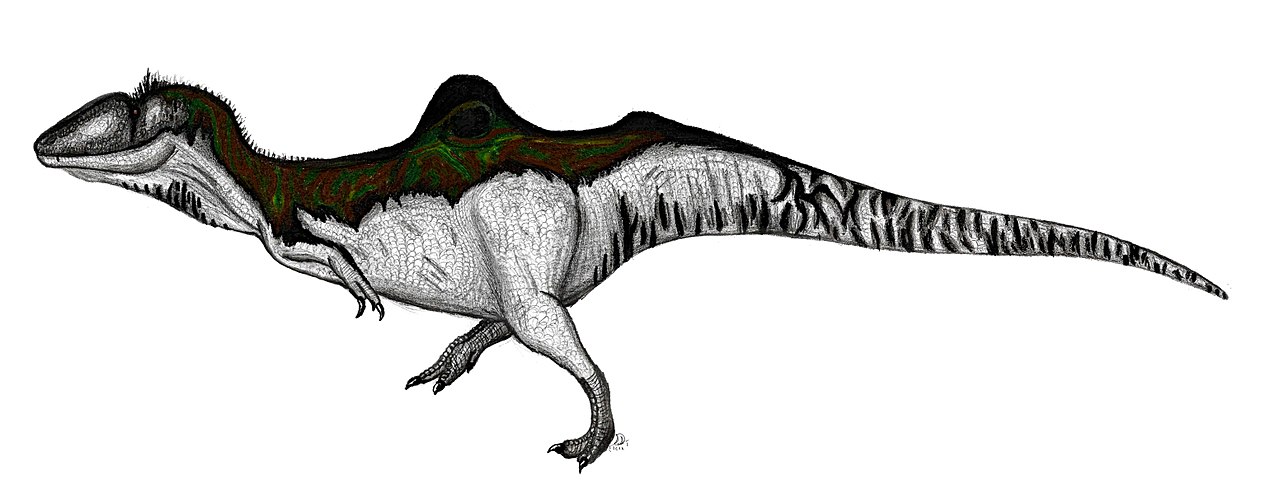
Altispinax is a name given to a predatory theropod dinosaur known from fragmentary remains discovered in the Wealden rocks of Sussex, England. The name, often translated as "with high spines" (meaning), reflects the distinctive tall neural spines preserved on the fossil vertebrae. The material comes from the Early Cretaceous, roughly 137 million years ago, and the animal is generally interpreted as a large-bodied, meat-eating dinosaur.
Image gallery
10 Images



Physical characteristics
Only a few bones are confidently attributed to Altispinax: several dorsal vertebrae with unusually elongate neural spines. These spines suggest a tall ridge or low sail along the back, although the exact shape and extent are uncertain because limb and skull material are lacking. In life it would likely have resembled other medium-to-large theropods of its time, with a bipedal posture and carnivorous adaptations, but precise size estimates remain speculative.
Discovery and naming
The fossil pieces were recovered from Early Cretaceous sediments of southern England and later described under the name Altispinax to highlight the tall spines. Because the remains are incomplete, the taxonomic name has been subject to debate. Over the years specialists have re-examined the specimens and compared them to other Wealden theropods, a process that has produced competing opinions about which bones belong together and which names should apply.
Classification and related taxa
Altispinax is usually placed among large predatory theropods but its precise relationships are unclear. It has been compared with several other genera from the same region and interval, including Becklespinax, which is also known for elevated neural spines. Some researchers treat Altispinax as a valid but poorly known genus, while others consider it a nomen dubium when based on isolated vertebrae. The fragmentary nature of the material limits confident placement within specific theropod families.
Paleoecology and significance
In the Early Cretaceous environment of southern England, Altispinax would have shared its habitat with a variety of dinosaurs, early mammals, crocodilian relatives and a coastal plain ecosystem. The tall spines—if correctly interpreted—may have had roles in display, species recognition, muscle anchoring, or thermoregulation, similar to hypotheses proposed for other spined dinosaurs. Regardless of its uncertain classification, Altispinax is important as part of the diverse and taxonomically complicated Wealden theropod record.
Notable facts
- The genus name emphasizes the distinctive high neural spines (name meaning).
- Material originates from Sussex in England (Sussex, England).
- Comparison with other finds in the region, including Becklespinax, has driven much of the taxonomic discussion.
- Because most evidence is vertebral, many aspects of its biology remain conjectural.
For further general background on Early Cretaceous British dinosaurs and how fragmentary fossils are assessed, see introductory resources on theropod paleontology and regional stratigraphy (dinosaur overviews and field guides) and specialist summaries of the Wealden fossil record (predatory dinosaur studies).
Scholars continue to review the original specimens and related finds; future discoveries of more complete material would be needed to resolve Altispinax's anatomy and its precise place in theropod evolution.
Related articles
Author
AlegsaOnline.com Altispinax — a fragmentary high-spined Early Cretaceous theropod Leandro Alegsa
URL: https://en.alegsaonline.com/art/3075
Sources
- dml.cmnh.org : "Re: _Becklespinax_"